

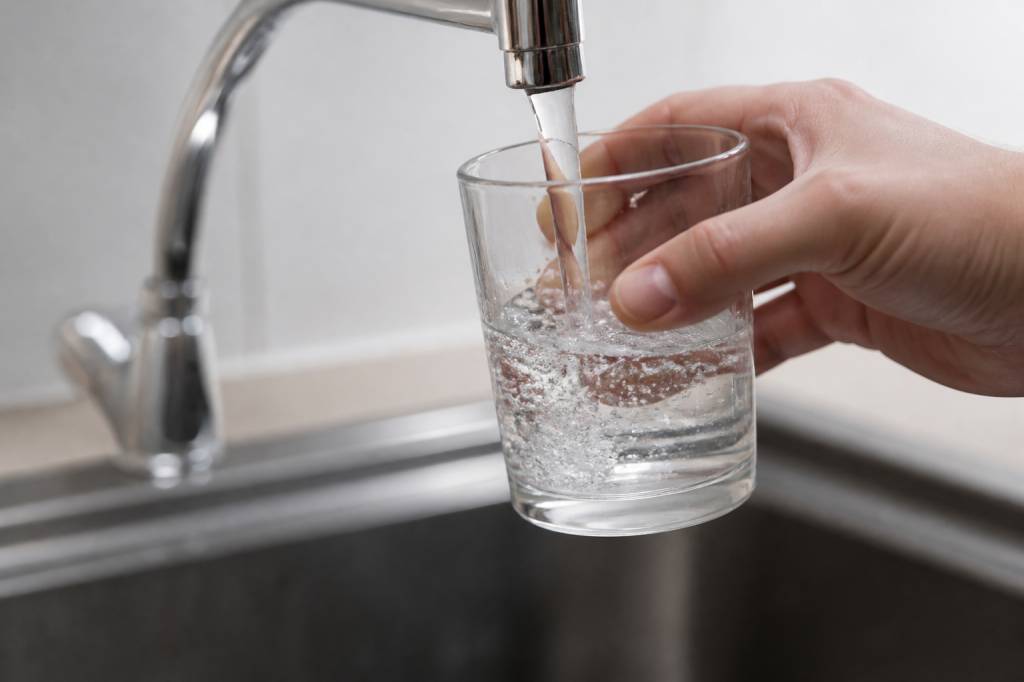
Chlorine is one of those everyday substances most people barely notice until the tap water smells a little “swimming-pool-ish” or the tea tastes off. Yet it plays a central role in public water safety. For more than a century, chlorine has helped reduce waterborne disease by killing harmful microbes in drinking water systems. That matters. A lot.
At the same time, many households still ask the same practical question: if chlorine is there to protect us, why does it affect taste and smell, and should we filter it out? The short answer is that chlorine is both useful and, in some cases, inconvenient. The longer answer depends on dose, water chemistry, your plumbing, and what you want from your drinking water.
This article looks at what chlorine does in tap water, what health effects are associated with it, why it changes the taste of water, and which filtration options actually work.
Why chlorine is added to tap water
Chlorine is used in municipal water treatment because it is a powerful disinfectant. It helps inactivate bacteria, viruses, and other pathogens that can contaminate drinking water during treatment or as water moves through pipes to homes and businesses.
Without disinfection, the risk of outbreaks from waterborne illness would be much higher. Historically, chlorination has been one of the most important public health advances in modern water treatment. It remains widely used because it is effective, affordable, and leaves a residual disinfectant effect in the distribution network. That residual matters: water can travel a long way between the treatment plant and your kitchen tap.
In practice, water utilities usually monitor chlorine carefully to keep levels within regulatory limits. In the UK and many other countries, the amount in drinking water is typically low and controlled. The goal is not to make water taste like a chemical lab. The goal is to keep it microbiologically safe.
Chlorine in water: what health effects are possible?
For most people, chlorine levels in treated tap water are not considered a major health concern. The concentrations are generally set to balance microbial safety with acceptable taste and odor. That said, “safe” does not mean “invisible” for everyone. Some people are more sensitive than others.
At ordinary drinking-water concentrations, the most common issues linked to chlorine are irritation and sensory discomfort rather than severe toxicity. For example, some people report dry skin, eye irritation, or a strong smell that makes them less likely to drink enough water. If water smells unpleasant, people often drink less of it. That is a real behavioral effect, even if the chlorine itself is not causing direct harm.
People with asthma, eczema, or chemical sensitivities sometimes report that chlorinated water feels harsher on skin or airways, especially in showers or baths where chlorine can volatilize more readily. However, these experiences are individual and can be influenced by many factors, including water temperature, pH, and other treatment chemicals.
One important distinction: chlorine in drinking water is not the same as exposure to high concentrations of chlorine gas or industrial chlorine compounds. The latter can be dangerous; treated tap water is regulated at far lower levels.
What about by-products?
Chlorine does not act alone. When it reacts with natural organic matter in water, it can form disinfection by-products such as trihalomethanes (THMs) and haloacetic acids (HAAs). These are monitored because long-term exposure to elevated levels has been associated in some studies with potential health risks.
This is where water quality becomes more nuanced. The disinfectant itself protects against immediate microbial threats, but the reaction chemistry can create compounds that require control. Utilities try to manage this by optimizing treatment, reducing organic material before disinfection, and monitoring by-product levels.
For household consumers, this does not mean tap water is unsafe. It does mean that if you are highly concerned about water chemistry, it is worth thinking beyond chlorine alone. Water quality is rarely a single-ingredient story.
Why chlorine changes taste and smell
Chlorine is notorious for its taste and odor because humans are extremely sensitive to it. In many cases, people can detect it at very low concentrations. That sharp, “bleach-like” note is the first thing they notice, even if the water meets all safety standards.
Taste and smell can be affected by:
Cold water usually tastes less pronounced than warm water because volatile compounds are less noticeable. Stale water sitting in a glass overnight can also taste stronger simply because chlorine dissipates or reacts over time, changing the flavor profile.
There is also a psychological element. Once people notice a chlorine smell, they tend to focus on it. And yes, after that first sip, the “pool water” association is hard to unthink.
Chlorine versus chloramine: not the same thing
Some water supplies use chloramine instead of, or in addition to, chlorine. Chloramine is formed by combining chlorine with ammonia and is used because it lasts longer in distribution systems and produces fewer disinfection by-products under certain conditions.
Chloramine often has a milder taste and smell than free chlorine, but it can still affect water flavor and is not removed by all filters in the same way. This matters because a pitcher filter that improves chlorine taste may not perform as well with chloramine.
If your water utility uses chloramine, checking your local water quality report is a smart first step. It tells you what disinfectant is used and helps you choose the right filtration method.
Should you filter chlorine out of tap water?
That depends on your goal. If you want better taste and smell, filtration can be very effective. If your concern is health protection, the answer is more nuanced because chlorine is part of what keeps water microbiologically safe in the first place.
In most homes, the best reason to remove chlorine is not because the water is dangerous, but because it is unpleasant. A filter can make drinking water more palatable, which may help you drink more of it. That is a practical public health benefit in its own right.
However, if you are storing filtered water for long periods, removing chlorine also removes the residual disinfectant. That means the water can become more vulnerable to contamination if hygiene is poor. In other words, filtration should improve water quality, not create a new storage problem on the kitchen counter.
Which filtration methods remove chlorine?
Not every filter removes chlorine effectively. The right choice depends on whether you want to treat drinking water at the point of use, improve all household water, or address multiple contaminants at once.
Common options include:
Activated carbon works because chlorine reacts with the carbon surface and is removed from the water as it passes through. That said, all carbon filters have a lifespan. Once exhausted, they stop working properly. A filter that hasn’t been changed on schedule can become more of a decorative kitchen accessory than a treatment device.
What filters do not work well?
Basic mechanical filters alone, such as simple sediment screens, do not remove dissolved chlorine. Boiling can reduce chlorine, but it is not a practical long-term solution and can concentrate other substances if water is boiled down.
Some cheap “all-purpose” filters make broad claims without clear certification or independent testing. If a product says it removes chlorine, look for evidence. Certified performance is what matters, not marketing copy printed in reassuring shades of blue.
If you are comparing products, check whether they are tested to recognized standards for chlorine reduction. In the UK and elsewhere, independent certification or third-party test data can help separate credible performance from vague promises.
How to choose the right filter for your home
The best filter is the one matched to your water and your priorities. Start by asking a few simple questions.
If your main issue is taste and odor, a basic activated carbon pitcher or faucet filter may be enough. If you want to improve water quality throughout the house, a whole-house carbon system may make more sense. If you also care about broader contaminant reduction, including substances such as PFAS, an under-sink RO system with carbon stages may be worth considering.
Here are the main factors to think about:
It is easy to buy a filter and then forget about it until the water starts tasting odd again. Unfortunately, filters do not politely remind you when they have reached the end of their useful life.
Does filtering chlorine improve water safety?
Sometimes yes, sometimes no. If the goal is to reduce chlorine taste or odor, filtration usually helps. If the goal is to make water “healthier,” the answer depends on what else is in the water and how the system is managed.
For tap water that is already well regulated, chlorine is not usually the main risk. In fact, removing chlorine from water and then storing it improperly can allow bacteria to grow. The safest approach is to filter what you need, use the water promptly, and maintain the system carefully.
This is why point-of-use filtration is often the most balanced option. You keep the protection of chlorinated distribution water in the pipes, then improve taste at the tap for drinking and cooking.
Practical tips for better-tasting tap water
If chlorine is the reason you avoid tap water, a few small changes can make a noticeable difference even before buying a filter.
Try these:
If the water still tastes strongly chlorinated after these steps, filtration may be the most efficient fix.
What households should remember
Chlorine in tap water exists for a reason: it protects public health by helping keep water microbiologically safe. For most people, the levels used in treated drinking water are not a major health concern. The more common issue is taste, smell, and, for some households, irritation or discomfort.
That makes chlorine a good example of a broader truth in water quality: the right solution is rarely “remove everything.” It is about balancing safety, palatability, and treatment effectiveness. A well-chosen carbon filter can improve taste significantly, while a more advanced system may be appropriate if you want broader contaminant reduction.
If your tap water tastes like a public pool, you are not imagining it. But that doesn’t automatically mean something is wrong. It may simply mean the disinfectant is doing its job a little too well for your palate.
Understanding what chlorine does, and what filtration can and cannot do, helps you make a more informed choice about the water you drink every day.