

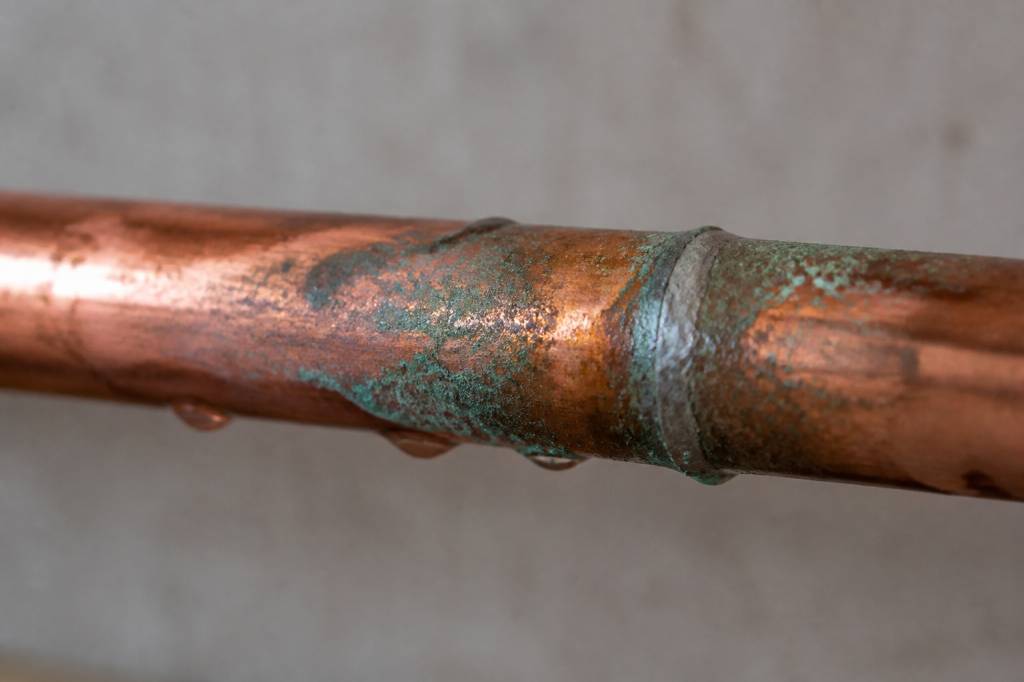
Copper pipes have a reputation for durability. For decades, they have been the go-to choice in homes, public buildings, and industrial systems because they are strong, relatively easy to install, and resistant to many forms of degradation. But “resistant” is not the same as “immune.” Copper water pipe corrosion is a real problem, and when it happens, the effects can range from annoying stains and leaks to genuine water quality concerns.
Why does copper, a metal often seen as stable, start breaking down in some systems and not others? The answer usually lies in water chemistry, installation practices, and environmental conditions. In other words, the pipe is only part of the story. The water itself can be surprisingly aggressive.
This matters because corrosion is not just a plumbing issue. It can affect the taste, colour, and safety of drinking water, damage fixtures and appliances, and shorten the life of an entire plumbing system. In some cases, corrosion can also mobilise metals already present in the system, adding another layer of concern for households and building managers.
What copper pipe corrosion actually is
Copper corrosion is the gradual chemical or electrochemical deterioration of the pipe surface when it reacts with water and dissolved substances. Over time, the protective outer layer of copper oxide can be disrupted, allowing the metal underneath to dissolve into the water or form pits, deposits, and weakened areas.
In many cases, a thin layer of corrosion products forms naturally and actually protects the pipe. That is why copper can last for decades. But when the water conditions are off balance, that protective layer becomes unstable. The result can be uniform corrosion, pitting corrosion, erosion-corrosion, or galvanic corrosion.
Not all corrosion looks dramatic. Sometimes the pipe appears fine from the outside while tiny internal pits are developing. That is one reason plumbing problems can be hidden until a leak, discoloured water, or a maintenance inspection reveals the issue.
Main causes of copper pipe corrosion
Corrosion usually starts with water chemistry. Copper is sensitive to several factors, and small changes can make a big difference over time.
Water treatment practices can also play a role. For example, disinfectants and changes in treatment chemistry may alter the water’s corrosivity. A system that worked perfectly for years can start showing corrosion after a treatment change upstream. Plumbing systems are not always as self-contained as people assume; they are connected to broader water management decisions.
There is also a simple but often overlooked issue: installation quality. Poor soldering, flux residue left inside pipes, trapped air pockets, or mixed-metal fittings can all create localised corrosion hotspots. Sometimes the “cause” is not the water alone, but how the system was put together.
How corrosion shows up in real life
For homeowners and building operators, the first signs are often subtle. A tap starts producing water with a metallic taste. White, blue-green, or turquoise staining appears around sinks or baths. The water looks slightly cloudy after standing overnight. A small pinhole leak appears under a cabinet and everyone wonders how a supposedly solid copper pipe managed to fail so quietly.
In more serious cases, corrosion can cause visible pipe thinning, repeated leaks, or major water damage. Pinhole leaks are particularly frustrating because they are often the result of long-term internal corrosion rather than an obvious external impact. The pipe may have been “fine” for years while microscopic damage was building inside.
Discolouration is another clue. Blue or green staining often points to dissolved copper in the water. While a stain on a sink is not a health crisis by itself, it is a warning that the plumbing system is releasing metal into the water. That deserves attention, not a quick wipe and a shrug.
What are the risks to health and property?
Copper is an essential nutrient, but too much of it in drinking water can be a problem. Short-term exposure to elevated copper levels may cause gastrointestinal symptoms such as nausea, vomiting, stomach cramps, and diarrhoea. Infants, young children, and people with certain medical conditions can be more vulnerable.
From a property perspective, corrosion can become expensive fast. Leaks can damage floors, walls, insulation, and electrical systems. Corroded pipes can also reduce water pressure and create rough surfaces that trap sediment or biofilm. In older buildings, repeated corrosion often means repeated repairs, which can quickly turn a “simple plumbing issue” into a budget problem.
There is also a wider infrastructure concern. In schools, healthcare buildings, hospitality venues, and apartment blocks, a single corroding branch of pipe can affect many users. This is why corrosion control is not just a maintenance issue; it is part of responsible water management.
Testing and diagnosis: what to look for
If copper corrosion is suspected, the first step is to identify whether the problem is actually coming from the water, the plumbing, or both. Water testing can help reveal the pattern.
Useful indicators include pH, alkalinity, chloride levels, dissolved copper, hardness, and sometimes temperature and conductivity. A high copper reading in first-draw water but a much lower reading after flushing suggests corrosion during stagnation. If copper levels stay elevated even after flushing, the issue may be ongoing throughout the system.
Physical inspection matters too. A qualified plumber or building technician may look for:
If a building has recently changed its water source, treatment method, or heating system, that is worth noting. Corrosion problems often begin after a change that seemed minor at the time. Plumbing, unlike politics, rarely enjoys surprise reform.
How to prevent copper pipe corrosion
The good news is that corrosion can often be managed effectively once the underlying causes are understood. Prevention starts with water quality control.
Water utilities and building managers can reduce corrosivity by maintaining stable pH and alkalinity, monitoring chloride levels, and using appropriate corrosion inhibitors where permitted. In many systems, orthophosphate-based treatment is used to create a protective film on pipe surfaces and reduce metal release. The effectiveness depends on proper dosing, consistent water chemistry, and good operational control.
For households, the options are more limited, but still meaningful. One practical step is to avoid leaving water stagnant in pipes for long periods. After holidays or periods of low use, flushing the system before drinking or cooking can reduce exposure to water that has sat in contact with copper for hours or days.
Temperature management helps too. If possible, avoid excessively high hot-water settings. Higher temperatures increase corrosion rates and can also worsen metal release from fixtures and plumbing components.
Installation practices are equally important. Use compatible materials, avoid direct contact between dissimilar metals unless properly insulated, and ensure soldering and flux use follow best practice. A well-designed system is far less likely to develop early corrosion problems than one assembled with shortcuts.
Here are practical prevention measures that make a real difference:
Can water filtration help?
Filtration can help in specific situations, but it is not a universal fix for pipe corrosion. If the water itself is corrosive, a filter alone will not solve the chemistry problem inside the plumbing system. In some cases, however, treatment devices can reduce the level of metals at the tap or improve taste and appearance.
Point-of-use filters certified to reduce copper can be useful when elevated copper is confirmed and the plumbing issue cannot be resolved immediately. That said, filtration should be seen as part of a broader response, not a substitute for diagnosing the cause. Otherwise, it is a bit like placing a bucket under a leak and calling it infrastructure management.
For private water supplies, treatment may need to be more comprehensive. Corrosion control, filtration, and water chemistry adjustments may all be needed together. The right solution depends on the source water, pipe materials, and the age and condition of the system.
Why corrosion is often a warning sign, not the final problem
Copper corrosion is often treated as a plumbing nuisance, but it can be an early indicator of a broader water quality imbalance. If copper is corroding, other metals may also be affected. Brass fixtures can leach lead. Steel components can rust. Sediment can accumulate and interfere with disinfection or water flow.
That is why it is worth taking a corrosion complaint seriously, especially in buildings where children, older adults, or medically vulnerable people rely on the water supply. A pipe that is slowly dissolving does not usually fix itself. It sends a signal, and that signal should not be ignored.
In environmental health terms, the issue sits at the intersection of infrastructure, chemistry, and exposure. The same water that is safe at the treatment plant may become a problem by the time it reaches the tap if the distribution system is not properly managed. This is a reminder that water safety is a chain, and every link matters.
Practical takeaways for homeowners and building managers
If you suspect copper corrosion, start with the basics: test the water, inspect the plumbing, and review any recent changes in water source or treatment. Do not assume the problem is cosmetic just because the stain on the sink is small. Corrosion often begins invisibly.
For homeowners, flushing stagnant water, monitoring taste and colour changes, and checking for leaks can help catch problems early. For building managers, a routine water quality programme is much more effective than waiting for complaints. Regular monitoring can reveal trends before they become failures.
Above all, remember that copper pipes are durable, but durability depends on the environment they operate in. Good water chemistry, good design, and good maintenance are what keep them performing well over the long term.
When those conditions are ignored, copper corrosion becomes more than a plumbing issue. It becomes a water quality issue, a maintenance issue, and in some cases, a health issue. And that is exactly why it deserves proper attention.