

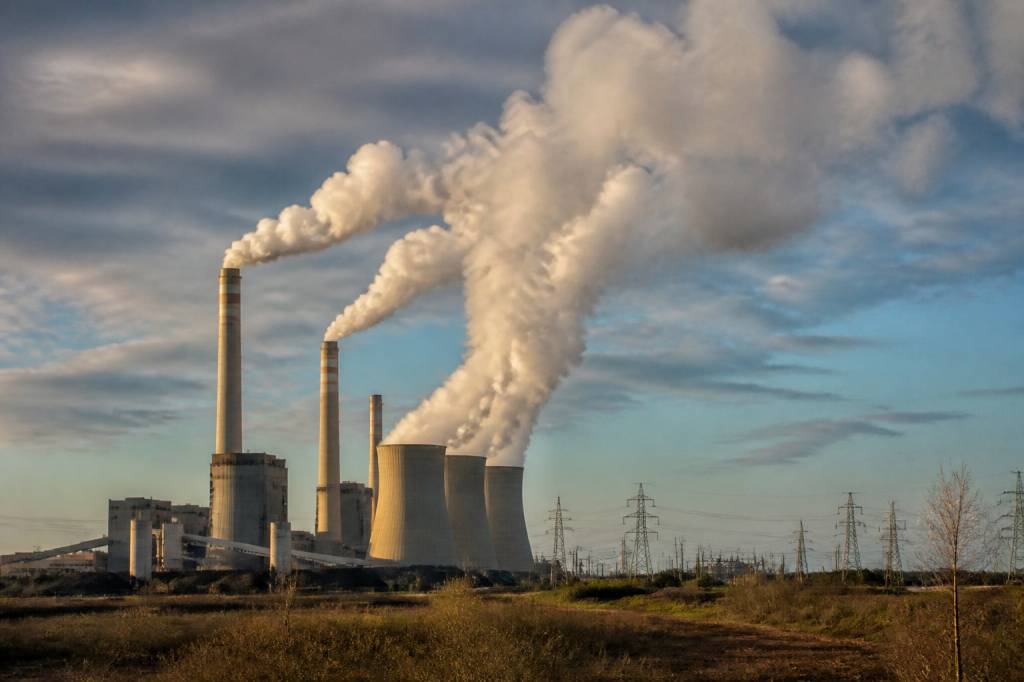
Carbon emissions are one of the most visible drivers of climate change, but they are also often misunderstood. When people hear “carbon emissions,” they usually think of exhaust pipes, smokestacks, and maybe a few guilty-looking flights. In reality, the sources are broader, more complex, and more embedded in everyday life than most of us imagine.
The good news? That complexity is exactly why emissions can be reduced in many places at once. From how we heat buildings to how we produce food, power industry, and move goods around the world, there are practical steps that can cut emissions without waiting for some perfect future technology to arrive.
What carbon emissions actually are
Carbon emissions usually refer to greenhouse gases released into the atmosphere, especially carbon dioxide (CO2), but also methane (CH4) and nitrous oxide (N2O), which are often measured in carbon dioxide equivalent terms. CO2 gets the most attention because it is emitted in large quantities and stays in the atmosphere for a very long time. Methane, meanwhile, is much more potent over the short term, which means cutting it can deliver fast climate benefits.
The core issue is simple: we are adding more greenhouse gases than natural systems can absorb. Forests, soils, oceans, and wetlands all play a role in regulating atmospheric carbon, but human activity has pushed the balance out of sync. That is why understanding where emissions come from matters. If you do not know the source, you cannot fix it efficiently.
The biggest carbon emission sources
Carbon emissions come from several major sectors. Some are obvious, others less so. Here are the main ones:
Each sector has different emission patterns. That matters because the solutions are not interchangeable. You would not reduce aviation emissions the same way you reduce emissions from a cement plant, unless your plan is to ask everyone to stop flying and start building airports out of bamboo. Not recommended.
Energy generation: still the biggest lever
Electricity production remains one of the most important sources to address because it powers so much of modern life. When electricity comes from coal or gas, every device plugged into the grid indirectly carries a carbon cost. That includes homes, offices, hospitals, factories, and digital infrastructure.
Reducing emissions in this sector depends on two things: replacing fossil fuels with low-carbon energy sources and using energy more efficiently. Wind, solar, hydro, geothermal, and nuclear power all have roles to play depending on local geography and policy. Grid modernization is also essential, because renewable energy works best when networks can balance variable supply and demand.
On the demand side, energy efficiency can be the quiet hero. Better insulation, efficient appliances, LED lighting, smart controls, and reduced standby power may not sound dramatic, but they cut emissions at scale. The cheapest and cleanest unit of electricity is the one you never need to generate.
Transport: not just tailpipes
Transport emissions are often framed around personal cars, but the issue is much larger. Freight trucks, shipping, aviation, and even the supply chains behind the products we buy all contribute heavily. A single item on a shelf may have traveled thousands of kilometers before you even touched it. Carbon footprints are not always visible, which is part of the problem.
Reducing transport emissions requires a combination of cleaner technology and smarter mobility. Electric vehicles can lower emissions significantly when powered by a cleaner grid, but they are only part of the solution. Public transport, cycling infrastructure, walking-friendly cities, and rail freight all reduce reliance on fossil fuels. Urban planning matters too: a city designed around short distances and accessible services generates far fewer emissions than one where every errand requires a car.
Aviation is harder to decarbonize because batteries are still limited for long-haul flight. That makes efficiency, sustainable aviation fuels, and demand reduction important levers. In shipping, cleaner fuels, improved hull design, and slower-speed operations can reduce emissions while the sector transitions toward longer-term alternatives.
Industry: where emissions are built into the process
Industrial emissions are especially challenging because they come not only from energy use but also from the chemistry of production itself. Cement is a good example: making clinker, a key ingredient in cement, releases carbon dioxide as limestone is heated. Even if the kiln were powered by renewable electricity, those process emissions would still occur.
Steel, chemicals, plastics, and other materials also depend on carbon-intensive processes. Reducing these emissions means improving efficiency, electrifying heat where possible, switching to low-carbon hydrogen in certain applications, using recycled materials, and redesigning products to require less resource extraction in the first place.
Material efficiency is often overlooked. If engineers can use less steel in a building without compromising safety, or if manufacturers can extend product lifespans, emissions fall across the entire supply chain. This is one of the most powerful ideas in climate mitigation: the cleanest industrial process may be the one that avoids making something from scratch unnecessarily.
Buildings: a hidden source in plain sight
Buildings may not look like major polluters, but they account for substantial emissions through heating, cooling, electricity use, and the production of construction materials. In colder climates, heating can be a dominant source. In warmer regions, air conditioning is becoming a growing problem as temperatures rise and cooling demand increases.
One of the most effective ways to reduce building emissions is to improve thermal performance. Better insulation, airtight construction, high-performance windows, and efficient ventilation systems reduce the energy needed to keep indoor spaces comfortable. Heat pumps are another major opportunity because they move heat rather than generating it through combustion, making them far more efficient than conventional boilers.
For existing buildings, retrofits can be transformative. Replacing fossil-fuel heating, upgrading controls, sealing drafts, and installing efficient lighting can cut emissions immediately. For new developments, low-carbon design should be standard, not a luxury feature marketed like an eco-friendly bonus prize.
Agriculture and land use: climate impact beyond energy
Agriculture is a major source of methane and nitrous oxide, two greenhouse gases with strong warming effects. Livestock, especially cattle, produce methane through digestion and manure management. Fertilizer use can release nitrous oxide from soils. At the same time, land conversion for farming and grazing can drive deforestation, which reduces the planet’s carbon storage capacity.
Reducing emissions in this sector is not as simple as telling people to “eat better” and calling it a day. It involves better manure management, optimized fertilizer use, improved soil health, agroforestry, and changes in livestock systems. In some cases, planting cover crops and restoring degraded land can increase soil carbon storage while improving resilience to drought and erosion.
Dietary choices also matter. Lowering demand for high-emission foods, particularly beef and dairy in many contexts, can reduce pressure on land and emissions across the supply chain. But the most effective approach is not one-size-fits-all; it depends on regional food systems, nutritional needs, and land availability.
Waste and methane: the overlooked climate lever
Waste is not usually the first sector people think of when discussing carbon emissions, yet landfills are a major methane source. Organic waste such as food scraps decomposes anaerobically in landfill conditions, producing methane that escapes unless it is captured and used effectively.
Reducing waste emissions starts upstream. Preventing food waste is far better than dealing with it after it has already become a disposal problem. Better sorting, composting, anaerobic digestion, and landfill gas capture can significantly reduce emissions. Recycling also matters because it lowers the need for energy-intensive virgin material production.
The practical lesson here is straightforward: a waste stream is really a resource stream that got mismanaged. When materials are reused, repaired, or recycled, emissions fall in more than one place at once.
How to reduce carbon emissions in practice
There is no single fix, but there is a reliable hierarchy of action. Start by using less energy and fewer materials, then switch to cleaner sources, and finally address the remaining emissions with targeted solutions. That sequence is more effective than trying to “offset” your way out of every problem.
Here are some of the most effective strategies:
What individuals can do, and what really matters most
Individual choices matter, but they work best when they are aligned with systemic change. Choosing public transport, reducing energy use at home, eating less carbon-intensive food, and buying fewer disposable products all help. But the biggest gains come when policy, business, and infrastructure make low-carbon choices the default rather than the exception.
If you are trying to prioritize your efforts, focus on the high-impact areas first: home heating, car use, electricity consumption, flights, and food waste. These areas tend to offer the best return in emissions reduction. A few strategic changes can outperform a long list of small symbolic actions.
For businesses, the opportunity is even larger. Measuring emissions across scopes 1, 2, and 3, setting reduction targets, improving procurement, and redesigning logistics can cut both climate impact and long-term costs. In many cases, emissions reduction is not a burden but a resilience strategy. Companies that waste less energy and materials are usually less exposed to price shocks and regulation.
Why cutting emissions is about systems, not just behavior
One reason carbon reduction feels difficult is that emissions are built into infrastructure. People do not choose fossil-fuel heating because they love emissions; they choose it because that is what the building has. Workers do not drive everywhere because they adore traffic; often, there is no practical alternative. This is why policy is so important.
Carbon pricing, efficiency standards, clean energy investment, transit funding, building regulations, industrial innovation, and ecosystem protection all shape the environment in which decisions are made. When the system changes, behavior follows more easily. That is where durable emissions cuts come from.
The climate challenge is large, but it is not mysterious. Carbon emissions come from identifiable sources, and each source has a pathway for reduction. Some are ready now. Others need more innovation and investment. The key is to act on all fronts rather than waiting for a single breakthrough to solve everything. The atmosphere does not negotiate, but our choices still matter enormously.