

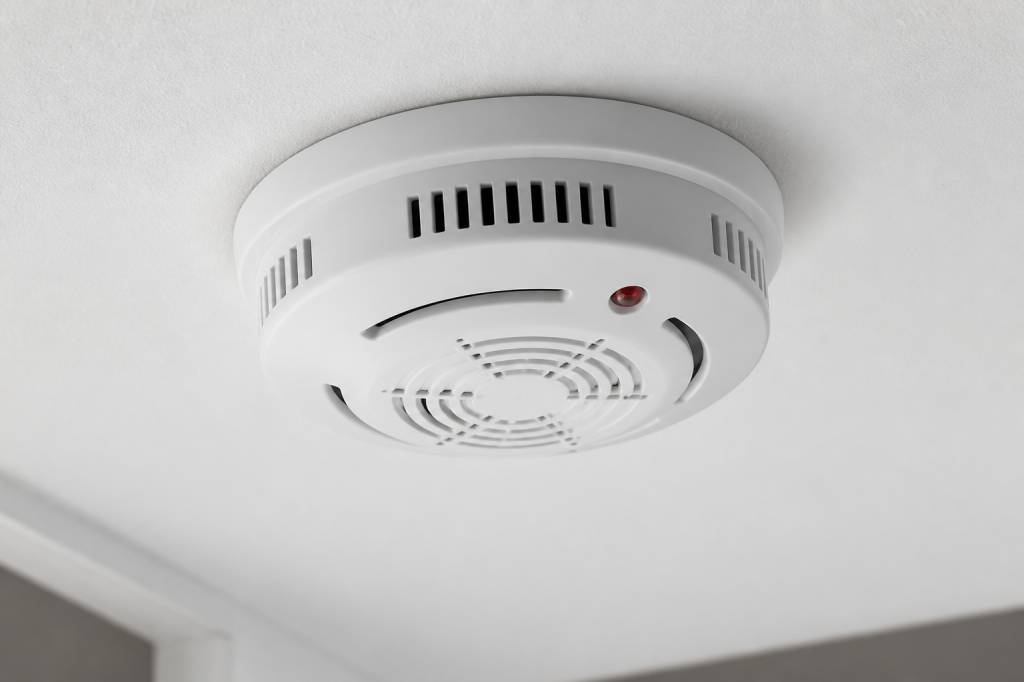
Smoke alarms are designed to save lives, but many people become concerned when they learn that some models contain a radioactive material. The word “radioactive” can sound alarming—particularly when the device is mounted above a bedroom door or hallway and operates continuously for years.
So, are smoke alarms radioactive? Some are. However, the type and quantity of radioactive material used are tightly controlled, and a properly installed, undamaged ionisation smoke alarm presents very little risk to household occupants. Understanding how these alarms work—and how to handle them responsibly—helps separate a genuine safety issue from an understandable misconception.
Why do some smoke alarms contain radioactive material?
There are two main types of domestic smoke alarm: ionisation alarms and optical, or photoelectric, alarms. Ionisation alarms use a small radioactive source to detect smoke particles. Optical alarms use a light-emitting diode and a sensor to identify smoke inside a chamber.
In an ionisation alarm, the radioactive isotope is usually americium-241. It emits alpha particles, which ionise the air between two electrically charged plates. This creates a small, steady electrical current. When smoke enters the chamber, it disrupts that current. The alarm detects the change and sounds.
The principle is simple but effective. A fire can produce smoke before temperatures rise enough to activate a heat detector, so the alarm provides an early warning when people may still have time to escape.
Americium-241 has a long half-life—around 432 years—which means its activity decreases slowly. That sounds dramatic, but the source used in a household alarm is extremely small, typically measured in kilobecquerels. It is sealed inside the device and designed to remain contained during normal use.
What kind of radiation does an ionisation alarm emit?
Americium-241 primarily emits alpha radiation. Alpha particles can travel only a short distance through air and cannot pass through intact skin. They are stopped by materials such as paper, clothing, or the outer dead layer of skin.
This means that the radiation from an intact smoke alarm does not travel through a room in the way many people imagine when they hear the term “radioactive.” The device is not producing a penetrating beam of radiation.
The main hazard associated with americium-241 would arise if the material were removed from its sealed housing and inhaled or swallowed. Inside the body, alpha radiation can damage nearby tissue. This is why the radioactive source must not be dismantled, crushed, burned, or tampered with.
For a household using an undamaged alarm as intended, exposure is very low. The amount of radiation reaching someone standing nearby is generally negligible compared with everyday background radiation from rocks, soil, building materials, and cosmic rays.
Are radioactive smoke alarms safe in bedrooms?
Yes. Ionisation smoke alarms are designed for use in homes, including bedrooms and hallways. The radioactive source is sealed in a small metal component within the alarm, and the surrounding casing provides additional protection.
Regulators assess these products before they can be placed on the market. In the United Kingdom, radioactive substances and products containing them are subject to regulatory controls, including requirements concerning manufacture, supply, storage, use, and disposal.
The health risk from leaving an intact ionisation alarm on a ceiling is considered extremely low. In practical terms, the risk of harm from not having a working smoke alarm is far greater than the radiation risk from correctly using one.
This is an important point. A smoke alarm’s purpose is not to create a new hazard; it is to provide an early warning during a fire. Smoke inhalation and fire-related injuries can develop rapidly, sometimes before occupants are fully aware that a fire has started.
Can smoke alarms cause cancer?
Radiation can increase cancer risk when exposure is sufficiently high, prolonged, or involves radioactive material entering the body. However, risk depends on the dose. The presence of a radioactive isotope does not automatically mean that a product creates a meaningful cancer risk in normal use.
The americium-241 in a domestic ionisation alarm is present in a very small, sealed quantity. The alpha particles it emits have limited penetration, and the device is not intended to be opened. Under normal conditions, exposure is far below levels associated with known health effects.
There is no evidence that simply living in a home with an intact ionisation smoke alarm creates a significant cancer risk. The more relevant safety concern is improper handling—for example, breaking open the sensor chamber or disposing of the alarm in a way that allows the source to be damaged.
What happens if a smoke alarm is broken?
A dropped or cracked alarm should be treated with care, even if the radioactive source is likely to remain sealed. Do not attempt to repair it, open it, or investigate the internal components.
If an alarm has been badly damaged:
- Keep children and pets away from the device.
- Avoid touching loose internal parts or dust.
- Do not place it in a fire, incinerator, or recycling machinery.
- Do not put it down a sink or toilet.
- Place the damaged unit in a secure location away from living areas, if this can be done without handling exposed components.
- Contact the manufacturer, local council, fire service, or relevant environmental regulator for disposal advice.
Do not panic. A damaged alarm does not mean that a dangerous cloud of radiation has entered the room. Alpha radiation cannot spread through the air like smoke or a gas. The sensible response is simply to prevent further damage and obtain professional guidance.
How should radioactive smoke alarms be disposed of?
Ionisation alarms should not automatically be placed in household waste or mixed with ordinary electrical recycling. Disposal arrangements vary depending on where you live and the type of product involved.
In the UK, householders should check the instructions supplied with the alarm and contact their local authority or the manufacturer. Some councils accept smoke alarms through household recycling or waste facilities, while others provide specific collection arrangements. Businesses, landlords, care homes, and organisations using larger numbers of alarms may have additional responsibilities.
Before disposal, check whether the alarm is an ionisation model. The label may state “ionisation,” “americium-241,” or include the radiation symbol. The instructions may also provide a return address or identify an approved disposal route.
Do not remove the radioactive source to make disposal easier. The sensor is engineered as a sealed unit, and dismantling it creates an unnecessary risk of contamination and may breach legal requirements.
Ionisation versus optical smoke alarms
Both technologies can provide valuable protection, but they respond differently to fire conditions.
- Ionisation alarms: Often respond quickly to small particles produced by fast-flaming fires. They contain a sealed americium-241 source.
- Optical alarms: Detect smoke by using light scattered by particles in a sensing chamber. They are often more responsive to slow, smouldering fires, which can produce substantial smoke before flames appear.
- Heat alarms: Detect a rise in temperature rather than smoke. They are useful in areas such as kitchens or garages, where steam and cooking fumes may trigger a smoke alarm.
- Multi-sensor alarms: Combine more than one detection method and may improve protection across different fire scenarios.
Optical alarms do not contain radioactive material, which may make them preferable for people who want to avoid ionisation technology. However, the best choice depends on the room, the manufacturer’s guidance, and local fire safety recommendations.
In kitchens, bathrooms, and areas exposed to dust or fumes, alarm selection and placement matter particularly. A nuisance alarm that is repeatedly removed or disabled is not protecting anyone. Fire safety specialists can help determine the most suitable technology for a specific home.
Do smoke alarms containing PFAS create an additional concern?
PFAS—per- and polyfluoroalkyl substances—are a separate group of persistent chemicals used in many industrial and consumer applications. They are not the radioactive material used in ionisation smoke alarms.
There is no reason to assume that an ionisation smoke alarm contains PFAS simply because it contains americium-241. The two issues involve different substances, different exposure pathways, and different regulatory questions.
That said, smoke alarms contain a mixture of electronic, plastic, metal, and battery components. Responsible disposal remains important because electronic waste can contain materials that should be managed through appropriate recycling or waste treatment systems. The safest approach is to follow the product instructions rather than dismantling the alarm at home.
What about batteries and false alarms?
In everyday use, the battery is usually a more immediate maintenance concern than the radioactive source. A flat battery can leave a home without protection, while a poorly positioned alarm may produce repeated nuisance alerts.
Test every alarm regularly using the test button. Replace batteries according to the manufacturer’s instructions, and replace the entire unit when it reaches the end of its recommended service life—often around 10 years, although the exact period varies.
Never remove the battery permanently because the alarm is inconvenient. Instead, investigate the cause. Dust, insects, steam, cooking fumes, or a failing sensor may be responsible. If the alarm continues to sound without an obvious reason, replace it or seek advice from the manufacturer.
Practical safety advice for households
A few straightforward habits can reduce both fire risk and unnecessary concern about radioactive smoke alarms:
- Install alarms according to the manufacturer’s instructions and local fire safety guidance.
- Keep the alarm casing intact and never cover ventilation openings.
- Test alarms regularly and replace batteries promptly.
- Do not paint, drill, crush, burn, or dismantle an alarm.
- Keep the product instructions so that disposal requirements are easy to check.
- Replace old or damaged alarms rather than attempting repairs.
- Use an appropriate alarm type for each room, particularly kitchens and sleeping areas.
- Plan an escape route and ensure everyone in the household knows what to do when an alarm sounds.
The proportionate view
Calling an ionisation smoke alarm “radioactive” is technically correct, but the description can be misleading without context. The device contains a tiny, sealed source of americium-241 that produces alpha radiation. It does not mean that the alarm is dangerous to stand beneath, that radiation is filling the room, or that normal household use creates a significant health threat.
The important precautions are simple: do not tamper with the alarm, do not dismantle it, and use an approved disposal route when it reaches the end of its life. For most households, maintaining a working smoke alarm is one of the most effective steps available to reduce the consequences of a fire.
In other words, the small radioactive source is there to help detect danger—not to create it. As with many environmental and public health questions, the key is not merely identifying a hazardous substance, but understanding its quantity, form, exposure pathway, and how it is managed throughout its life cycle.
Reliable sources and further reading
- UK Health Security Agency (UKHSA), guidance on ionising radiation and consumer products.
- Office for Nuclear Regulation (ONR), information on radioactive substances and regulatory controls.
- Environment Agency, guidance relating to radioactive substances and waste in England.
- National Fire Chiefs Council (NFCC), household fire safety advice.
- U.S. Environmental Protection Agency (EPA), information on radiation and ionisation smoke detectors.