

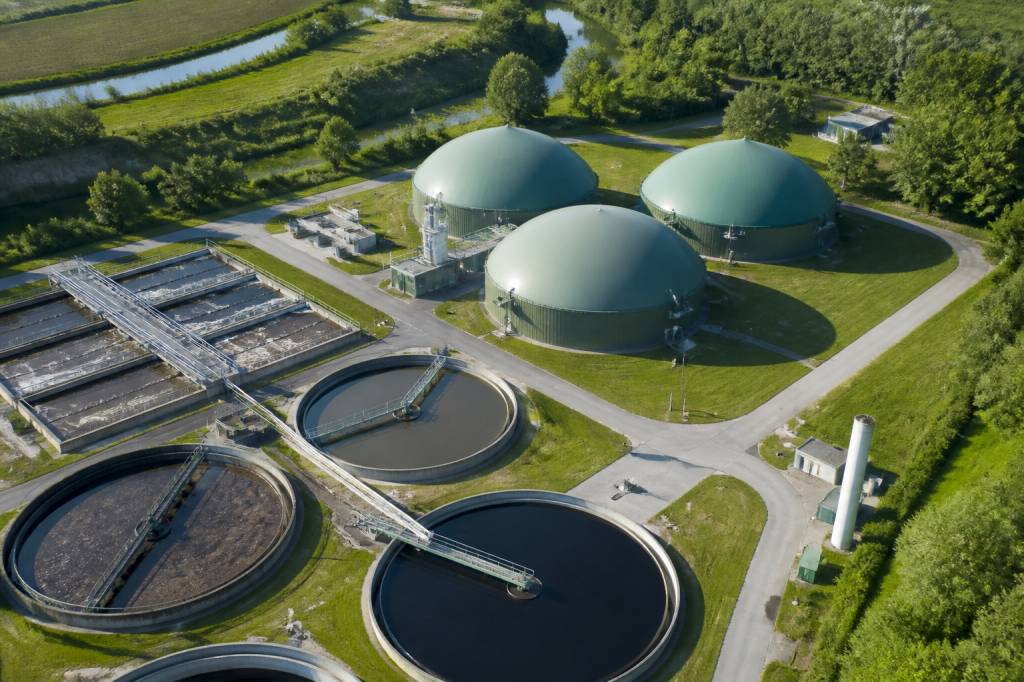
What anaerobic digestion means
Anaerobic digestion is a natural biological process in which microorganisms break down organic matter without oxygen. In practical terms, it is a controlled decomposition process used to treat wastewater, food waste, manure, sludge, and other biodegradable materials. Instead of rotting in an uncontrolled way, the material is held in sealed tanks called digesters, where bacteria do the work in the absence of air.
The process produces two main outputs: biogas and digestate. Biogas is a mixture of methane and carbon dioxide, often used as a renewable energy source. Digestate is the remaining material after digestion, which can sometimes be further treated and reused, depending on its quality and contamination levels.
If that sounds simple, it is in concept, but the chemistry is more interesting. Anaerobic digestion involves several stages: hydrolysis, acidogenesis, acetogenesis, and methanogenesis. Each stage is driven by different groups of microbes. Together, they transform complex organic matter into smaller compounds and eventually into methane. In other words, nature does the heavy lifting, provided the system is carefully managed.
Why it matters in water pollution control
Water pollution is often linked to the discharge of untreated or poorly treated organic waste into rivers, lakes, and coastal waters. When that waste enters water bodies, microbes in the environment consume oxygen as they break it down. The result can be oxygen depletion, fish kills, foul odours, algal blooms, and damaged ecosystems. Anaerobic digestion helps prevent this by treating waste before it reaches the environment.
In wastewater treatment, anaerobic digestion is especially important for sludge management. Sludge is the concentrated solid material removed during treatment of sewage or industrial wastewater. Without proper treatment, sludge can be a source of pathogens, nutrients, and pollutants. Anaerobic digestion stabilises the sludge, reduces its volume, and lowers the risk of contamination.
It also helps reduce the organic load in wastewater. That means less biochemical oxygen demand, or BOD, in the final effluent. Why does that matter? Because high BOD signals that water contains a lot of biodegradable material, which can strip oxygen from aquatic environments. Lowering that load is one of the core goals of pollution control.
How the process works in practice
Anaerobic digestion usually takes place in a sealed reactor or digester. The feedstock is introduced, and conditions such as temperature, pH, retention time, and mixing are carefully controlled. The absence of oxygen is essential; if oxygen gets in, the microbial balance can shift and the process may become less efficient.
The main stages are:
-
Hydrolysis: complex substances such as carbohydrates, proteins, and fats are broken into simpler molecules.
-
Acidogenesis: these molecules are converted into volatile fatty acids, alcohols, hydrogen, and carbon dioxide.
-
Acetogenesis: intermediate products are further transformed into acetate, hydrogen, and carbon dioxide.
-
Methanogenesis: methane-producing microorganisms convert these compounds into biogas.
The process can be mesophilic, typically around 35-40°C, or thermophilic, closer to 50-55°C. Thermophilic systems are faster but often more sensitive to disturbances. Mesophilic systems are slower but usually more stable. As with many environmental technologies, the “best” option depends on the waste stream, local conditions, and treatment goals.
What kinds of pollution can it help reduce?
Anaerobic digestion is not a magic fix for every form of water pollution, but it plays a major role in reducing several key pollutant categories.
-
Organic matter: By breaking down biodegradable waste, digestion reduces the amount of material that would otherwise deplete oxygen in receiving waters.
-
Pathogens: Digestion can reduce, though not always eliminate, harmful microorganisms in sludge and waste streams.
-
Nutrients: It can help manage nutrient-rich wastes that contribute to eutrophication, especially when combined with additional treatment steps.
-
Odour-causing compounds: Controlled digestion reduces the uncontrolled decay that often produces strong and unpleasant smells.
-
Greenhouse gas emissions: Capturing methane from organic waste prevents it from escaping directly into the atmosphere.
This last point matters for water pollution control because climate and water systems are increasingly linked. Poor waste management can release methane, and climate stress can make water systems more vulnerable to pollution. The relationship runs both ways, which is exactly why integrated treatment solutions are gaining attention.
Anaerobic digestion in wastewater treatment plants
In municipal wastewater treatment, anaerobic digestion is often used on sewage sludge rather than on the entire liquid effluent. After primary and secondary treatment remove solids and biological contaminants, the resulting sludge is fed into digesters. The process stabilises the sludge, reduces its pathogen content, and cuts down the volume that must be transported, treated, or disposed of.
This has practical benefits beyond pollution control. Lower sludge volume means fewer truck movements, lower disposal costs, and reduced pressure on landfills or incineration facilities. In some plants, the biogas produced is used on site to generate electricity or heat. That can reduce dependence on fossil fuels and improve the overall sustainability of the treatment plant.
There is also growing interest in co-digestion, where sewage sludge is mixed with other organic wastes such as food waste or agricultural residues. This can improve gas yield and make better use of existing infrastructure. The catch? More feedstocks can also mean more variability, so operational control becomes even more important.
Role in industrial pollution control
Industrial wastewater can contain high concentrations of biodegradable organics, depending on the sector. Food and beverage processing, paper production, distilleries, and some agricultural operations are common candidates for anaerobic treatment. In these cases, anaerobic digestion can be an efficient first-stage process that removes a large share of organic pollution before further polishing treatment.
For high-strength wastewater, anaerobic systems can be particularly attractive because they handle heavy organic loads better than many aerobic systems, while also producing energy instead of consuming large amounts of it. That said, not all industrial pollutants are suitable for anaerobic digestion. Toxic chemicals, heavy metals, and certain persistent contaminants can inhibit microbial activity or pass through untreated.
This is an important point for anyone thinking about “treatment” as a one-size-fits-all solution. It is not. Anaerobic digestion works best when the waste stream is well characterised and compatible with microbial breakdown. For mixed or contaminated industrial effluents, it is usually one part of a broader treatment train.
Benefits that make it attractive
One reason anaerobic digestion has become a cornerstone of modern waste management is that it combines pollution control with resource recovery. Instead of treating waste as something to bury or burn, the process turns it into energy and a more manageable residue.
-
Reduces organic pollution: Less biodegradable material reaches rivers, lakes, and coastal waters.
-
Captures methane: Prevents uncontrolled emissions and enables energy generation.
-
Supports circular economy goals: Waste becomes a resource rather than a liability.
-
Can lower treatment costs: Especially where biogas is used onsite.
-
Reduces sludge volume: Making disposal and transport easier.
From a water quality perspective, the most important benefit is prevention. The best pollution is the pollution that never enters the water in the first place. Anaerobic digestion helps intercept organic waste before it can cause downstream harm.
Limitations and environmental trade-offs
It would be misleading to present anaerobic digestion as a flawless technology. Like any treatment method, it has limitations and environmental trade-offs.
First, it requires careful operation. Temperature swings, pH imbalance, toxic inputs, or overloads can reduce performance. If the system fails, untreated material may accumulate and create nuisance conditions. Second, it does not remove everything. Nutrients such as nitrogen and phosphorus may remain in the digestate or liquid effluent and still need further treatment. Third, digestate quality must be assessed before reuse, especially if the original feedstock contains contaminants.
This is where regulatory oversight becomes essential. If digestate is applied to land without proper controls, pollutants can be transferred from water systems to soil and groundwater. So while anaerobic digestion can reduce water pollution, it must be paired with careful monitoring and compliance measures to avoid shifting the problem elsewhere.
There is also the issue of fugitive methane. Although digestion captures methane for energy use, leaks from digesters, storage tanks, or gas handling systems can undermine climate benefits. Good design and maintenance are therefore not optional extras; they are central to environmental performance.
How it compares with aerobic treatment
Anaerobic and aerobic treatment are often discussed as if one must replace the other. In reality, they are frequently complementary. Aerobic treatment uses oxygen and is generally effective for polishing wastewater to high discharge standards. Anaerobic treatment excels at handling high-organic-load waste and generating energy.
The choice between them depends on the goal. If the priority is rapid breakdown of soluble organic matter and high-quality effluent, aerobic systems may be preferred. If the waste is concentrated, energy recovery matters, and sludge reduction is important, anaerobic digestion offers clear advantages. In many treatment plants, both methods are used in sequence.
That hybrid approach makes sense. One stage tackles the bulk pollution load, and the next stage polishes the water to meet discharge requirements. Environmental engineering, like good plumbing, is often about putting the right parts in the right order.
Why it is relevant to PFAS and modern water management
Anaerobic digestion is not a primary treatment for PFAS, which are highly persistent and do not readily break down in conventional biological systems. That distinction is important. However, in broader water and sludge management, digestion still matters because it helps determine how contaminants are concentrated, transformed, or moved between waste streams.
For example, PFAS may accumulate in sewage sludge or biosolids, and treatment decisions affect whether those materials are reused, disposed of, or further processed. Anaerobic digestion can reduce organic material but does not reliably destroy PFAS. This means operators need to treat it as one component in a wider contamination management strategy, not a universal solution.
That broader strategy may include source control, advanced filtration, better monitoring, and clear rules for sludge handling. In environmental management, the weakest link often determines the outcome. A highly effective digester cannot compensate for polluted influent or poor downstream safeguards.
What operators and policymakers should focus on
If anaerobic digestion is to deliver real gains in water pollution control, several factors deserve attention:
-
Influent quality: knowing what is entering the system is essential for stable operation.
-
Monitoring and maintenance: regular checks help prevent failures, leaks, and underperformance.
-
Gas management: methane capture must be effective to preserve climate benefits.
-
Digestate handling: end-use pathways should be assessed for nutrient and contaminant risks.
-
Integration with other treatments: digestion works best as part of a multi-stage treatment train.
Policy also plays a key role. Strong discharge standards, sludge regulations, and incentives for renewable energy recovery can all improve the environmental performance of anaerobic systems. Where rules are weak or inconsistent, even good technology can be undermined by poor practice.
Why anaerobic digestion still matters
Anaerobic digestion is one of those technologies that sits at the intersection of waste management, energy recovery, and water pollution control. Its value lies not in being perfect, but in being practical. It reduces the pollution load entering waterways, stabilises organic waste, captures useful energy, and supports a more resource-efficient treatment model.
In a world facing rising wastewater volumes, tighter environmental standards, and growing pressure to cut emissions, that combination is hard to ignore. The process is not new, but its role is becoming more important as utilities, industries, and regulators look for ways to control pollution without simply moving it from one place to another.
So when people ask what anaerobic digestion means, the answer is more than “waste treatment without oxygen.” It is a proven environmental tool that can help reduce water pollution, recover energy, and improve the resilience of treatment systems. Used well, it is a practical example of how microbiology can serve public health and environmental protection at the same time.