

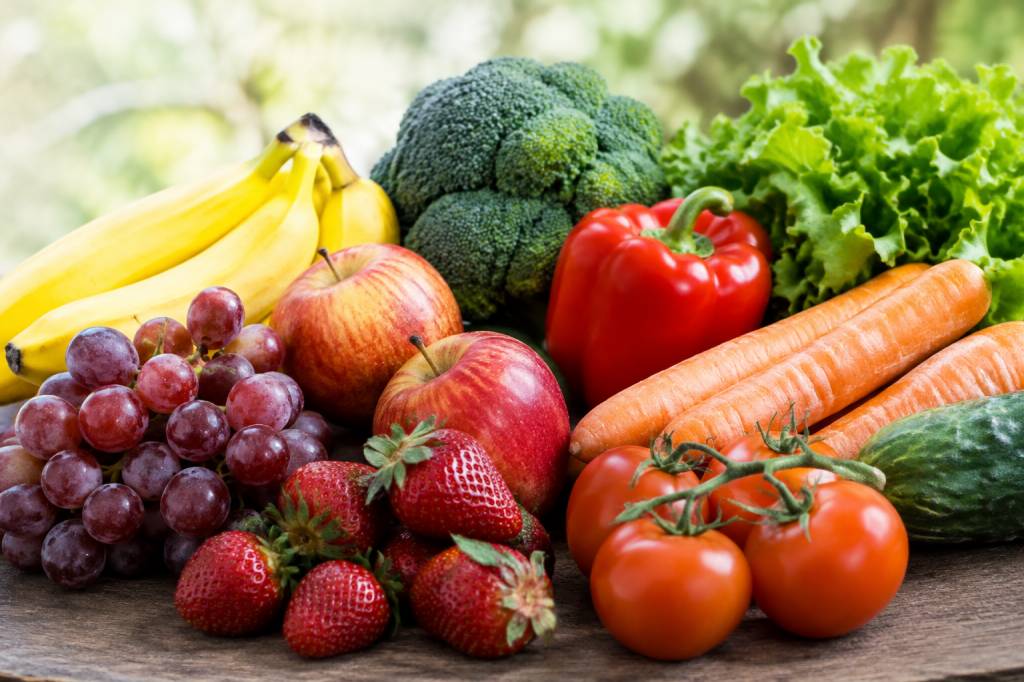
For shoppers in the UK, the phrase “the worst fruit and vegetables for pesticides” can sound alarming. Which foods carry the most residues? Should some produce be avoided? And does washing remove the problem?
The answer is more nuanced than a simple blacklist. Pesticide residues are detected more often on some fruits and vegetables than others, but detection does not automatically mean that a food is unsafe. The important questions are which chemicals are present, at what concentration, and whether the measured level is below the legal maximum residue limit.
Even so, UK monitoring data and independent analysis can help consumers make informed choices. Some types of produce are more likely to contain multiple pesticide residues, particularly when their thin skins, soft surfaces or growing conditions make them difficult to protect from insects, fungi and weeds.
What does “worst” mean?
There is no single official UK ranking called the “worst fruit and vegetables for pesticides”. Different lists use different criteria. Some count the percentage of samples with at least one detectable residue. Others count the number of different pesticides found, while some focus on the proportion of samples containing residues above a particular threshold.
The UK Government’s Pesticide Residues in Food programme tests food sold in the country. Its results generally show that most tested foods comply with legal safety standards. However, campaign groups such as the Pesticide Action Network UK analyse government data in a different way, highlighting produce in which residues are frequently detected or where chemicals of particular concern are found.
These approaches are not necessarily contradictory. A food may have residues in many samples while remaining within legal limits. At the same time, frequent exposure to mixtures of chemicals is a legitimate area of scientific interest, especially for children, pregnant people, agricultural workers and those who eat large quantities of a particular food.
Grapes and raisins
Grapes are often near the top of pesticide residue lists in the UK. Their compact bunches create a humid environment where fungal diseases can spread, while their thin skins provide little protection from treatment applied during cultivation.
Government testing has frequently found multiple residues in grape samples. Raisins and other dried vine fruits can show even higher concentrations because drying removes water and concentrates substances that remain on the fruit. This does not mean that a small serving is automatically dangerous, but it is one reason dried fruit should be eaten in moderate portions.
Washing grapes under cool running water can remove some surface residues, dirt and microorganisms. It will not remove chemicals that have penetrated the skin or those designed to remain after rain. Peeling is not a realistic option for most people, which makes organic grapes an alternative for households wishing to reduce exposure.
Strawberries and other soft fruits
Strawberries are another frequent feature in discussions about pesticide residues. They grow close to the soil and are vulnerable to insects, mould and fungal infections. Their uneven surface also makes thorough washing difficult.
Raspberries, blackberries and blueberries may also contain residues, although results vary considerably between samples, growing regions and seasons. Soft fruit is particularly perishable, so producers may use several treatments during the growing cycle to protect yields and extend marketability.
Do not soak berries for long periods. Strawberries and other soft fruits can absorb water, lose texture and spoil more quickly. Instead, rinse them gently under running water immediately before eating. Discard damaged or mouldy pieces, as mould can spread rapidly through a punnet.
Frozen berries are not automatically pesticide-free. Freezing preserves residues as well as nutrients. However, frozen produce is still a useful and nutritious choice, particularly when fresh berries are expensive or unavailable.
Apples and pears
Apples and pears have a longer growing season than many soft fruits and are vulnerable to insects, scab and other fungal diseases. Their skins may carry several residues, which is why these fruits regularly appear in residue monitoring discussions.
Peeling can reduce exposure to some surface residues, but it also removes fibre and beneficial plant compounds concentrated in or just beneath the skin. For most people, washing the fruit thoroughly and eating it with the skin is a sensible option. Scrubbing firm produce gently with a clean vegetable brush can help remove surface contamination.
It is important not to wash apples or pears with washing-up liquid, bleach or specialist household cleaners. These products are not intended for consumption and may leave harmful residues of their own. Clean running water is the safer approach.
Peaches, nectarines and other stone fruit
Peaches, nectarines and similar stone fruit have soft, delicate skins that can be affected by insects and fungal disease. Their slightly hairy or uneven surfaces may also retain dust and treatment residues.
Nectarines are eaten with the skin, while peaches may be peeled by some consumers. Washing is useful for removing surface contamination, but it cannot guarantee the removal of all pesticide residues. If the fruit is imported, residue profiles may also differ because approved pesticides and maximum residue limits vary between countries.
UK rules require imported food to meet relevant safety requirements, but “legal” does not mean that every sample contains zero chemicals. It means that the measured level is considered unlikely to pose an unacceptable risk when the food is consumed as intended.
Spinach, lettuce and leafy vegetables
Leafy greens can be challenging to grow without pest control. Spinach, lettuce, kale and similar vegetables have large exposed surfaces that can collect treatments, soil and airborne pollution. Inner leaves may be more protected, while outer leaves generally receive greater environmental exposure.
Leafy vegetables are also important foods to keep eating. They provide fibre, folate, vitamin K and other nutrients. Avoiding them entirely because residues may be detected would create a different health problem.
Remove damaged outer leaves, separate the remaining leaves and rinse them carefully under cold running water. Pre-washed salad bags can be convenient, but they should still be stored according to the label instructions and consumed before the use-by date. Do not rewash bagged salad unless the packaging advises it, as handling can introduce bacteria in the kitchen.
Tomatoes and peppers
Tomatoes and peppers are commonly grown under protected conditions, but they may still require treatments against insects, mites and fungal diseases. Residue findings vary widely according to the variety, production system and country of origin.
Sweet peppers have folds and a hollow shape that can make cleaning less straightforward. Rinse them under running water, rub the surface with your hands and remove the stem and seeds as usual. Cooking can reduce some pesticide residues, although the effect depends on the chemical and the cooking method. It should not be treated as a universal solution.
Tomato skins are edible and contain useful compounds, including lycopene. Washing before cutting is important because a knife can transfer contamination from the surface into the flesh.
Potatoes and root vegetables
Potatoes may be treated during cultivation and storage to manage pests, sprouting and disease. Because they grow underground, their skins can also carry soil and other contaminants. Monitoring has found residues in some potato samples, although findings differ between surveys.
Scrubbing potatoes under running water removes soil and some surface residues. Peeling can reduce exposure further, but it also removes fibre and nutrients. Never eat green or strongly sprouted potatoes, regardless of their pesticide status. Green areas can contain elevated levels of glycoalkaloids, naturally occurring compounds that may cause illness.
Carrots, parsnips and other root vegetables should also be washed thoroughly. Peeling is optional for many of them, provided they are cleaned properly and are fresh and undamaged.
Does organic produce contain no pesticides?
No. Organic farming permits certain pesticides, including substances derived from natural sources, and some approved treatments can leave residues. Organic systems generally restrict the use of synthetic pesticides and place greater emphasis on crop rotation, biological control and soil management.
Studies often find fewer or lower levels of synthetic pesticide residues in organic produce, but organic food is not chemically untouched. It can also be more expensive, which means it is not a practical option for every household.
If your budget is limited, prioritise variety rather than attempting to buy every item organic. Choosing organic for foods eaten frequently or with edible skins may reduce exposure, while conventional fruit and vegetables remain an important part of a healthy diet.
Practical ways to reduce pesticide exposure
- Wash fresh produce under cool running water before eating or preparing it.
- Rub firm fruit and vegetables gently with clean hands or a dedicated produce brush.
- Remove outer leaves from lettuce, cabbage and similar vegetables.
- Peel produce when appropriate, while remembering that peeling also removes fibre and nutrients.
- Vary the fruit and vegetables you eat so that exposure is not concentrated on one crop.
- Choose seasonal produce where possible and buy from reputable retailers.
- Keep raw produce separate from raw meat, poultry and seafood in the kitchen.
- Wash your hands, knives, chopping boards and work surfaces before and after preparation.
- Do not use soap, bleach or household cleaning products on food.
- Follow storage instructions and discard produce that is mouldy, slimy or badly damaged.
Pesticides, drinking water and PFAS are different issues
Readers of this blog may reasonably ask how pesticide residues relate to PFAS. They are connected through the wider challenge of chemical pollution, but they are not the same thing.
PFAS are a large group of persistent, human-made chemicals used in applications such as firefighting foams, non-stick materials, textiles and industrial processes. Many PFAS are highly resistant to environmental breakdown and can move through soil and water. Pesticides are products used to control pests, weeds and plant diseases. Some pesticides degrade relatively quickly, while others can persist or travel into water supplies.
Food can be an exposure route for both groups of chemicals, but the treatment and monitoring strategies differ. Washing fruit may reduce certain surface pesticide residues; it will not remove PFAS that have entered the food. Similarly, a household water filter designed for PFAS reduction is not automatically certified to remove every pesticide.
Anyone concerned about drinking water should check the performance claims of a filtration system carefully. Activated carbon and reverse osmosis can reduce many PFAS under suitable conditions, but performance depends on the specific compound, filter design, contact time and maintenance. A filter that is not replaced on schedule may become less effective.
What UK consumers should take from the evidence
Grapes, soft fruits, apples, pears, leafy greens, peppers and some root vegetables are among the foods that frequently attract attention in UK pesticide discussions. However, a residue detection is not the same as a toxic dose, and a list of “worst” foods should not encourage people to eat fewer plants.
The strongest dietary advice remains consistent: eat a wide variety of fruit and vegetables, prepare them hygienically and avoid unnecessary panic over individual test results. For households that can afford it, organic choices may help reduce exposure to some synthetic pesticides. For everyone else, careful washing, peeling where suitable and dietary variety are realistic steps.
Ongoing monitoring matters because legal limits, scientific evidence and agricultural practices change. Consumers deserve transparent information not only about whether residues are detected, but also about concentrations, combined exposures and long-term environmental effects. The same principle applies to PFAS: effective protection depends on reliable testing, clear regulation and practical technologies that are properly maintained.
Fruit and vegetables should remain central to a healthy diet. The goal is not to create a perfect, chemical-free shopping basket—such a basket does not exist—but to make informed choices while supporting stronger controls on pollutants from farm to water supply.