

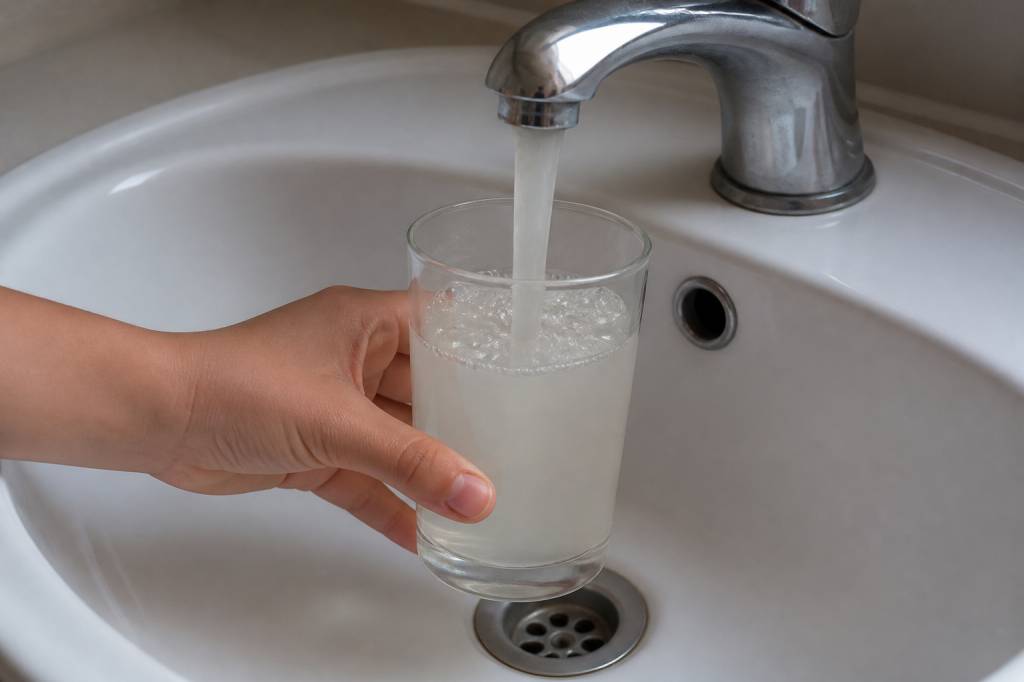
Turning on the tap and seeing cloudy water can be unsettling. Is it harmless air? A plumbing problem? Or something more serious happening in the water supply? In most cases, cloudy tap water is not a sign of a major contamination event, but it is also not something to ignore blindly. The appearance can range from tiny air bubbles that disappear in seconds to persistent turbidity that points to sediment, corrosion, or water-quality issues worth investigating.
If you care about what is in your water, the first step is to understand what “cloudy” actually means. Not all murky-looking water is the same, and the cause matters. Some cases are cosmetic and temporary. Others may indicate conditions that affect taste, plumbing, or health. For households already concerned about chemical contaminants such as PFAS, cloudy water can also raise a broader question: if the water looks off, what else might be in it?
What cloudy water from the faucet usually means
Cloudy water is often described as white, milky, hazy, or full of tiny floating particles. The key clue is whether it clears up after standing for a few seconds or remains visibly opaque. That difference can help identify the source.
One of the most common causes is simply air in the water. When water pressure changes in the mains or plumbing, dissolved air can form tiny bubbles. They make the water look white or cloudy, but the effect usually disappears quickly. If you fill a glass and the water clears from the bottom upward within a minute or two, air bubbles are a likely explanation.
Cloudiness that does not clear so easily is more likely to be caused by suspended particles. These may include sediment, rust, calcium carbonate, pipe scale, or material disturbed during maintenance work on the water network. In some cases, the issue is inside the home rather than the supply line, especially in older properties with aging plumbing.
Temperature can also play a role. Cold water can hold more dissolved air than warm water, so pressure and temperature changes often produce visible cloudiness. If the water is cloudy only when first drawn and clears rapidly, that is usually less concerning than a persistent haze.
Common causes of cloudy tap water
There are several likely explanations, and the pattern of cloudiness matters more than the visual effect alone.
- Air bubbles: Often harmless and temporary. Common after repairs, pressure changes, or weather-related fluctuations in the mains.
- Sediment: Fine particles can enter the water during pipe disturbance, construction work, or from aging infrastructure.
- Corrosion: Rust from iron pipes or debris from deteriorating plumbing can discolor the water and create a gritty appearance.
- Hard water minerals: Calcium and magnesium can contribute to cloudiness, scale, and white residue on fixtures.
- Water main flushing or maintenance: Utility work can temporarily stir up deposits and make tap water appear cloudy.
- Private well issues: If the home uses a well, cloudiness may come from soil particles, iron, manganese, or treatment system problems.
It is worth noting that cloudy water is not usually caused by PFAS alone. PFAS are dissolved chemical contaminants, and they do not typically make water look cloudy. That means clear water can still contain PFAS, and cloudy water does not automatically mean PFAS are present. In other words, your eyes are not a reliable PFAS detector. If only lab testing could work that way, the water industry would be a much easier place to manage.
When cloudy water is harmless
In many homes, cloudy tap water is a short-lived issue with a simple explanation. If the water clears quickly in a glass, has no unusual smell, and tastes normal, the cause is often air bubbles or temporary disturbance in the system.
You may notice this after:
- cold weather or sudden temperature changes
- water main repairs nearby
- new plumbing installation
- changes in water pressure
- periods of low water use followed by heavy use
In these cases, the cloudiness is usually visual rather than toxic. Still, if it happens repeatedly or suddenly becomes worse, it may indicate a developing issue in the plumbing or supply network. A one-off event and a recurring problem are not the same thing.
When cloudy water deserves attention
Cloudiness is more concerning if it comes with other warning signs. These can suggest sediment, corrosion, microbial contamination, or treatment system failure.
Pay close attention if the water:
- stays cloudy after standing for several minutes
- has a metallic, earthy, or unpleasant odor
- leaves visible particles in the glass
- appears yellow, brown, or reddish as well as cloudy
- causes staining on sinks, baths, or laundry
- coincides with stomach upset, skin irritation, or unusual taste changes
For households on private wells, persistent cloudy water can be a sign that the well needs inspection or that the filtration system is no longer working properly. Wells are especially vulnerable to surface runoff, sediment intrusion, and changes after heavy rain.
If the cloudiness is sudden and severe, or if several households in the area report similar water issues, contact the local water utility. They can confirm whether maintenance, main flushing, or a temporary distribution problem is responsible.
Are there health risks?
The health risk depends entirely on what is causing the cloudy appearance. Air bubbles are not a health issue. Mineral deposits are usually more of a nuisance than a danger. Sediment can be unpleasant and may affect water clarity, but it is not automatically harmful.
That said, cloudy water can occasionally signal conditions that matter for health. For example, if pipe corrosion is occurring, it may release metals such as lead, copper, or iron. Lead is the most serious concern because even low-level exposure can harm children’s development and pose risks during pregnancy. Older homes are more likely to have legacy plumbing materials that increase this risk.
Cloudiness can also point to a problem in the disinfection or distribution system, particularly if water is drawn from a private well. In such cases, bacteria or other microorganisms could be present, and the water should not be assumed safe until tested.
For people already monitoring for PFAS, cloudy water should be treated as a separate issue. PFAS are associated with long-term health concerns including impacts on the immune system, cholesterol, liver function, and certain cancers. They are odorless, tasteless, and invisible. So even if the water looks clear after filtering out sediment, that does not mean chemical contaminants are gone.
How to check whether the problem is in your home or the supply
A simple at-home check can help narrow down the source. Fill a clear glass with cold tap water and watch it for a minute or two. If the cloudiness starts at the bottom and clears upward, dissolved air is the likely cause. If it remains murky or particles settle out, sediment is more likely.
Try water from different taps as well. If only one faucet is affected, the issue may be local to that fixture or branch of plumbing. If the entire home has the same problem, the source is more likely the main supply, the pressure system, or a whole-house plumbing issue.
It also helps to compare hot and cold water. Cloudiness that is worse in hot water can be linked to temperature-driven air release. If the problem appears only after water has run for a few minutes, debris in the pipes may be getting flushed through.
If you rely on a private well, check whether your treatment equipment has been serviced recently. Clogged filters, failing pressure tanks, and aging softeners can all contribute to cloudy water. A neglected system can turn a small issue into a persistent one.
Filtration solutions that can help
The right filtration approach depends on the cause. There is no single cartridge that fixes every cloudy-water problem, and that is where many households waste time and money. Matching the filter to the contaminant is the smart move.
For sediment or particles, a basic sediment filter can be effective. These are typically installed as pre-filters and are designed to trap sand, rust, silt, and other suspended matter. They improve clarity and can protect downstream treatment systems from clogging.
If the water has taste or odor issues along with cloudiness, activated carbon may help reduce chlorine, some organic compounds, and unpleasant flavors. However, carbon alone is not designed to remove dissolved metals or PFAS at meaningful levels unless it is a specialized, well-engineered system.
For households concerned about a wider range of contaminants, reverse osmosis can be a strong option. RO systems can reduce many dissolved substances, including PFAS, heavy metals, nitrates, and certain salts. They are not a fix for every water problem, but they are among the more comprehensive point-of-use treatment methods for kitchen drinking water.
In some homes, a whole-house filtration system makes sense, especially if the cloudiness affects every tap. These systems can include sediment pre-filtration, carbon stages, and in some cases specialized media for broader contaminant reduction. Whole-house systems are useful when the problem affects washing, bathing, and appliance performance, not just drinking water.
If the issue is due to hard water, a water softener may reduce scale and improve appearance. But softening is not the same as filtration. It can help with mineral-related cloudiness, yet it will not remove PFAS, bacteria, or most chemical contaminants.
What to look for in a good filter
Not all filters are created equal. If you are choosing a system to address cloudy water, look for evidence rather than marketing promises.
- Third-party certification: Look for independent verification of performance claims.
- Targeted contaminant removal: Make sure the filter is designed for your specific problem, whether that is sediment, chlorine, metals, or PFAS.
- Flow rate: A filter should treat water without making everyday use frustratingly slow.
- Maintenance requirements: Replace cartridges on schedule. A clogged filter can worsen water quality instead of improving it.
- Installation fit: A good system should match your plumbing setup and water demand.
A filter that solves one issue but neglects another is only half a solution. If you are trying to reduce cloudy water and chemical exposure at the same time, you may need a multi-stage system rather than a single basic cartridge.
Testing is better than guessing
If cloudy water keeps appearing, testing is the most efficient way to stop guessing. A professional water test can identify sediment levels, metals, hardness, and microbial concerns. If PFAS are part of your concern, you will need a test specifically designed for PFAS detection, since standard household water tests do not include them.
Testing is especially important if you have:
- an older home with original plumbing
- a private well
- recent changes in water color or taste
- young children, pregnant household members, or immunocompromised residents
- a known contamination issue in your area
One practical approach is to test first, then choose treatment based on the results. That prevents overspending on the wrong system and helps ensure the problem is actually addressed.
Simple steps you can take today
If your faucet water looks cloudy right now, start with a few low-effort checks before buying equipment or panicking.
- Fill a clear glass and see whether the water clears within a minute.
- Compare hot and cold taps.
- Check whether only one faucet is affected.
- Ask neighbors whether they are seeing the same issue.
- Review whether any utility work or plumbing repairs happened recently.
- Inspect aerators for debris or corrosion.
These quick checks will not replace lab analysis, but they can tell you whether you are dealing with a temporary air issue or something more persistent.
Why cloudy water should not be ignored
Cloudy tap water is often benign, but it is also a useful warning signal. Water changes rarely happen for no reason. Even if the issue turns out to be harmless air bubbles, repeated cloudiness can reveal pressure fluctuations, plumbing wear, or maintenance-related disturbance. Those details matter because they can point to bigger water-quality vulnerabilities.
And if your broader concern is chemical exposure, the visual appearance of water is only part of the picture. PFAS, metals, and many other contaminants cannot be seen by eye. Clear water can still be contaminated, while cloudy water can be mostly harmless. That is exactly why observation, testing, and properly matched filtration are all important.
If your tap water is cloudy once in a while, it may be a temporary nuisance. If it is persistent, unusual, or accompanied by other changes, it deserves a closer look. The good news is that most causes are identifiable, and many can be managed with the right combination of maintenance, testing, and filtration.