


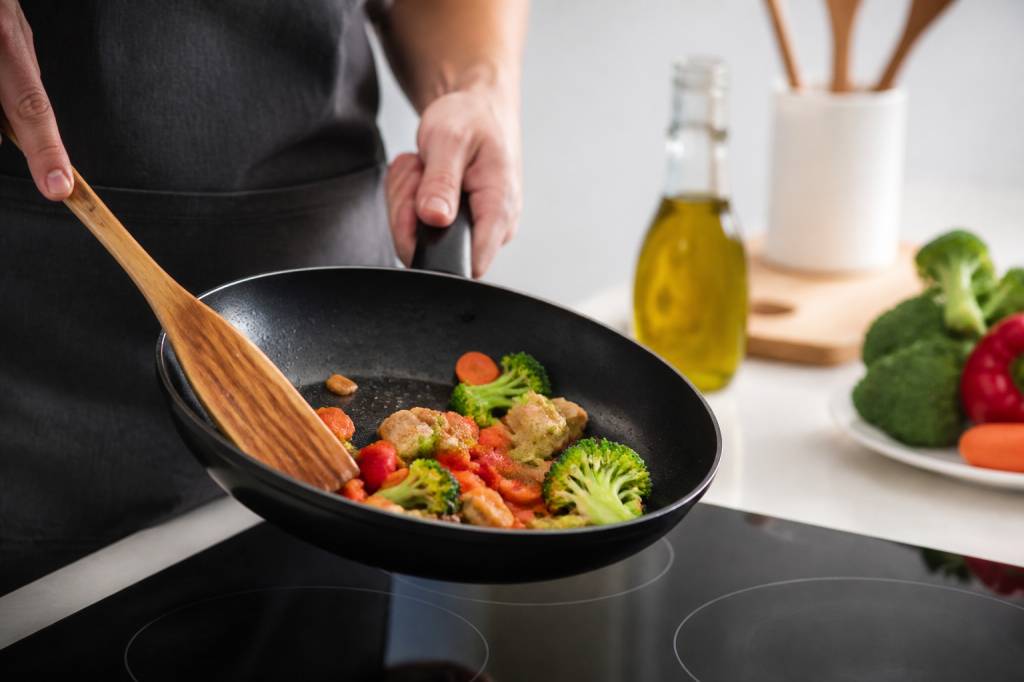
Non-stick cookware has transformed everyday cooking. Eggs slide out of the pan, sauces are easier to clean, and less oil is often needed. But the same slippery surface has raised an important question: could non-stick cookware be harmful to health?
The answer depends on what the cookware is made of, how it is used, and which chemicals are involved. Most traditional non-stick pans use a fluoropolymer coating known as polytetrafluoroethylene, or PTFE. PTFE belongs to the large family of per- and polyfluoroalkyl substances, better known as PFAS.
PFAS are often called “forever chemicals” because many of them break down extremely slowly in the environment. They have been used for decades in products designed to resist heat, water, oil and stains. That does not mean every PFAS-related product presents the same level of risk, however. The potential health implications depend on the specific substance, the exposure route and the dose.
So, should you throw away every non-stick pan in your kitchen? Not necessarily. Understanding the science makes it easier to cook safely and choose alternatives where appropriate.
What makes cookware non-stick?
The most familiar non-stick coating is PTFE, a synthetic fluoropolymer discovered in the 1930s. Its carbon-fluorine bonds are exceptionally strong, giving PTFE a smooth surface that resists food, grease and water.
PTFE is sometimes used interchangeably with “Teflon”, but Teflon is a brand name rather than the name of the chemical itself. Other non-stick coatings may use ceramic materials, silicone-based compounds or different fluoropolymers. Product labels do not always make these distinctions easy to identify.
PFAS is an umbrella term covering thousands of chemicals. Some are small, mobile compounds that can move through water and accumulate in people or wildlife. Others, including certain fluoropolymers, are large and relatively stable materials used as coatings.
This distinction matters. The environmental concerns associated with long-chain PFAS such as PFOA and PFOS are not identical to the risks associated with an intact PTFE coating. Nevertheless, fluorinated manufacturing processes and the breakdown or disposal of PFAS-containing products remain part of the wider PFAS pollution problem.
Is PTFE cookware safe during normal use?
When a PTFE-coated pan is used correctly and remains intact, exposure to the coating is generally considered low. PTFE is highly stable at ordinary cooking temperatures, and it does not readily migrate into food under normal conditions.
Regulatory agencies, including the UK Food Standards Agency and the US Food and Drug Administration, have assessed PTFE coatings used in food contact applications. The finished coating is not considered a significant source of dietary exposure when it is manufactured and used as intended.
That does not mean “non-stick” is a guarantee of zero risk. Any cookware can become unsafe if it is misused, overheated or badly damaged. The most important issue with PTFE is not a pan gently cooking an omelette. It is a pan left empty over high heat until the coating begins to decompose.
What happens when a non-stick pan overheats?
PTFE is stable across a broad range of normal cooking temperatures. However, if an empty pan is heated at very high temperatures, the coating can begin to break down and release fumes. This can happen surprisingly quickly, particularly with lightweight pans on powerful gas or induction hobs.
At severe overheating temperatures, fumes may cause a temporary flu-like illness known as polymer fume fever. Symptoms can include:
- Headache
- Chills
- Fever
- Muscle aches
- Chest discomfort
- Coughing or breathing irritation
Symptoms usually appear several hours after exposure and often resolve within a day or two. Even so, breathing fumes from overheated cookware should not be treated casually. Anyone experiencing significant breathing difficulty, persistent chest pain or severe symptoms should seek urgent medical advice.
Bird owners need to be especially cautious. Birds have highly efficient respiratory systems and can die rapidly after exposure to fumes from overheated PTFE coatings. Keep non-stick pans away from bird rooms, use strong ventilation, and never leave an empty coated pan heating unattended.
Does scratched non-stick cookware release PFAS into food?
A scratched pan can look alarming, especially when dark flakes appear in food. Small particles of PTFE swallowed accidentally are generally considered chemically inert and are expected to pass through the digestive system without being absorbed in significant amounts.
That is not a reason to continue using severely damaged cookware indefinitely. Scratches can make the surface less effective, expose the underlying metal and create uneven heating. If the coating is peeling, flaking or visibly deteriorating, replacing the pan is the sensible option.
Use utensils made from wood, silicone or other materials recommended by the manufacturer. Metal spatulas, knives and abrasive scourers can shorten the life of a non-stick surface. Avoid stacking pans directly on top of one another unless they have protective separators.
It is also worth remembering that a damaged coating is not the only concern. The exposed base may be made from aluminium or another metal that can react differently with acidic foods. The exact risk depends on the pan’s construction and condition.
What happened to PFOA?
Much of the public concern about non-stick cookware is linked to PFOA, or perfluorooctanoic acid. PFOA was historically used as a processing aid in the manufacture of some fluoropolymer products, including PTFE coatings.
PFOA has been associated with adverse health effects in studies of human exposure, including changes in cholesterol, effects on the immune system and developmental concerns. It is also persistent and can remain in the environment and human body for long periods.
Manufacturers in many countries have phased out PFOA, and its use is restricted or prohibited under several regulatory frameworks. Modern cookware may be labelled “PFOA-free”, but that statement needs careful interpretation. It generally means PFOA is not intentionally used in the product. It does not necessarily mean the product contains no fluorinated chemistry or no PFAS of any kind.
Consumers should also be cautious with vague claims such as “chemical-free”. Every material is made of chemicals, and marketing language is not a substitute for clear product information. Look for reputable manufacturers, transparent safety data and instructions that identify the coating technology.
How much PFAS exposure comes from cookware?
For most people, cookware is not considered the main source of PFAS exposure. Contaminated drinking water, food packaging, dust, treated textiles and polluted soil can be more important routes, depending on where a person lives and the products used in the home.
PFAS exposure is usually discussed in terms of repeated, long-term contact with persistent chemicals. A person does not become significantly exposed simply by cooking one meal in a functioning PTFE pan. The wider concern is the production, disposal and environmental release of PFAS, particularly from industrial sites, firefighting foams and waste streams.
PFAS can enter rivers, groundwater and drinking-water supplies. Once contamination occurs, conventional treatment is often ineffective. Activated carbon, ion exchange and high-pressure membrane technologies can remove many PFAS, but treatment performance varies by compound and operating conditions. Preventing pollution at source remains more effective than relying only on filtration after contamination has spread.
Practical ways to use non-stick cookware safely
Small changes in cooking habits can substantially reduce the chance of overheating or damaging a pan. The following steps are simple, but they matter:
- Never preheat a non-stick pan while it is empty, especially over high heat.
- Use low to medium heat for most cooking tasks.
- Keep the kitchen well ventilated with an extractor fan or open window.
- Do not use a PTFE pan under a grill or broiler unless the manufacturer explicitly permits it.
- Use wooden, silicone or plastic utensils designed for high temperatures.
- Wash the pan with a soft sponge rather than abrasive pads or harsh powders.
- Replace cookware that is peeling, flaking or badly scratched.
- Follow the manufacturer’s maximum temperature and care instructions.
- Never leave a heating pan unattended.
- Keep birds and other sensitive pets away from the kitchen during cooking.
If a pan has accidentally overheated, turn off the heat, leave the area and ventilate the room. Do not add water immediately to a dangerously hot pan, as this can create steam and splattering. Once the cookware has cooled, inspect it carefully and consider replacing it if the coating has changed appearance or begun to deteriorate.
Are ceramic pans a safer alternative?
Ceramic-coated cookware is often promoted as “PFAS-free”. In many cases, the coating is based on a silica-derived material rather than PTFE, making it an option for people who want to avoid fluorinated coatings.
However, ceramic non-stick surfaces can lose their performance more quickly than PTFE, particularly when exposed to high heat, cooking sprays or abrasive cleaning. “Ceramic” does not automatically mean indestructible or risk-free. The pan still needs to be used according to the manufacturer’s instructions.
Uncoated stainless steel, cast iron, carbon steel and enamelled cookware are other alternatives. Each has advantages and limitations:
- Stainless steel: durable, versatile and free from non-stick fluoropolymer coatings, although food may stick without sufficient oil or heat control.
- Cast iron: long-lasting and suitable for high temperatures, but heavy and potentially reactive with some acidic foods.
- Carbon steel: lightweight and naturally more non-stick when properly seasoned.
- Enamelled cookware: useful for acidic dishes and slow cooking, provided the enamel remains intact.
- Glass: free from non-stick coatings, but more vulnerable to thermal shock and breakage.
The most sustainable choice is often the pan you already own and can use safely for many years. Replacing perfectly serviceable cookware simply because of online alarm can create unnecessary waste. On the other hand, continuing to use a heavily damaged pan to avoid buying a replacement is not a practical solution either.
What should consumers look for when buying cookware?
Start with the manufacturer’s information rather than relying solely on packaging slogans. Check whether the product specifies the coating material, recommended temperature range and cleaning instructions. Independent testing or certification can provide additional reassurance, particularly for products sold through unfamiliar online marketplaces.
Be wary of extremely cheap cookware with no clear manufacturer, safety information or traceable supply chain. Poor-quality coatings may wear rapidly, and it can be difficult to determine which substances were used during production.
For households seeking to minimise PFAS use, choose cookware explicitly identified as free from PFAS and PTFE, not merely “PFOA-free”. Ask whether the claim applies to the coating, the entire product or only the manufacturing process. Clear terminology is important because PFOA-free and PFAS-free do not mean the same thing.
The wider environmental issue
The debate about non-stick pans is part of a much larger conversation about persistent chemical pollution. PFAS have been detected in drinking water, rain, soils, wildlife and human blood around the world. Their durability makes them useful in industry, but it also makes contamination difficult and expensive to reverse.
Responsible disposal matters. Do not burn non-stick cookware, as high heat can produce hazardous fumes. Local recycling rules vary, and many household recycling schemes cannot process coated pans. Contact the local council or waste authority for guidance, and keep damaged cookware out of fires, wood burners and garden incinerators.
Cooking safely is therefore both a personal health issue and an environmental responsibility. Use non-stick cookware at moderate temperatures, replace damaged items thoughtfully, and support products and policies that reduce the release of persistent chemicals into water and ecosystems.
For most people, a well-maintained non-stick pan used correctly is unlikely to be a major health risk. The practical priorities are clear: avoid overheating, prevent damage, ventilate the kitchen and treat “PFAS-free” claims with a critical eye. A safer kitchen does not require panic or perfection—just informed choices and a little attention to what is happening on the hob.