


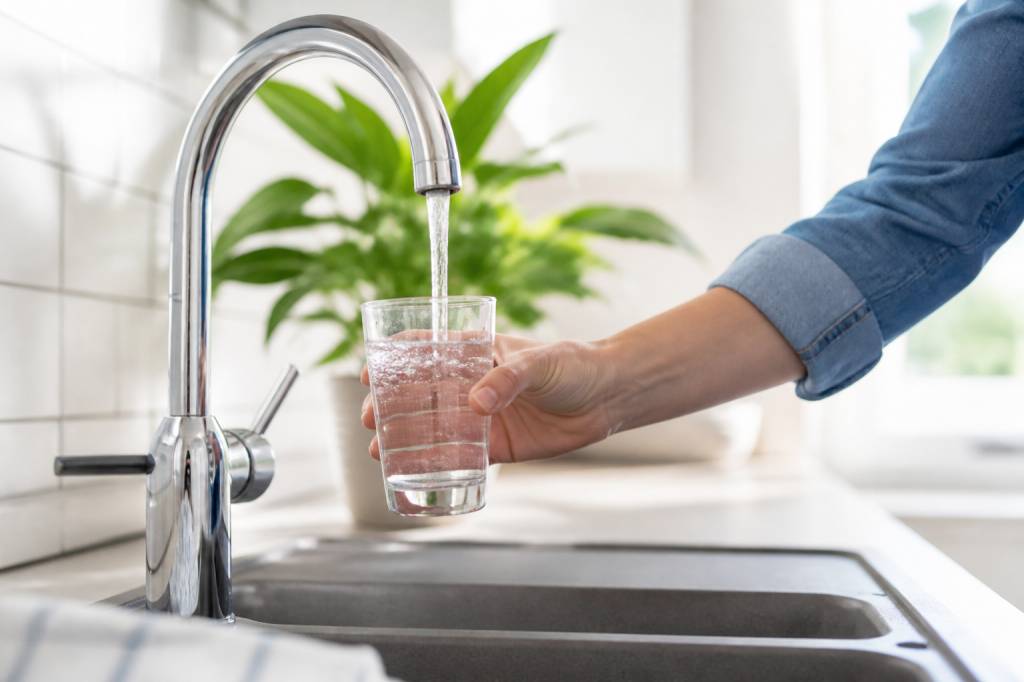
Is fluoride actually in UK tap water?
Yes, in some parts of the UK, fluoride is added to tap water on purpose. In other areas, it is not. That simple answer hides a more complicated reality: whether your tap water contains fluoride depends on where you live, which water company supplies your home, and whether your region has a fluoridation scheme in place.
For most people, fluoride in drinking water is not a daily mystery until they start asking questions about dental health, long-term exposure, or what is and isn’t being added to their water supply. And given how much attention the UK is giving to water quality, contaminants, and public health, that question is a fair one.
So, what exactly is fluoride, why is it added to water, and should you be concerned about your tap water? Let’s break it down clearly.
What fluoride is and why it’s added to water
Fluoride is a naturally occurring mineral found in rocks, soil, and water. In low amounts, it can help strengthen tooth enamel and reduce tooth decay. That’s the main reason public health authorities have added fluoride to some water supplies for decades.
In the UK, water fluoridation is a public health measure, not a chemical accident. The aim is to lower rates of tooth decay, especially in children and in communities where dental health outcomes tend to be worse. In other words, it’s less about the water itself and more about delivering a small, controlled dose of fluoride to the population through a widely used source: tap water.
That said, the idea is not universally applied across the country. Fluoridation in England is patchy, and in Scotland, Wales, and Northern Ireland, the practice is either absent or extremely limited. If you’ve never thought about whether your region fluoridates water, you’re not alone. Most people only discover it when they move house or check their local water supplier’s website.
Where in the UK is tap water fluoridated?
Fluoridation in the UK is highly regional. Some of the best-known fluoridated areas are in parts of the Midlands and the North East of England, but the exact picture depends on local infrastructure and agreements between public health authorities and water companies.
According to public health data, around 6 million people in England receive fluoridated water, though coverage varies greatly by area. Some places have naturally occurring fluoride in their water sources, while others have fluoride added artificially to reach a target concentration.
The usual target level in fluoridated UK water is about 1.0 milligram per litre (mg/L), though small variations can occur. This level is set to help protect teeth while staying well below thresholds associated with known harmful effects from high fluoride exposure.
If you want to know whether your tap water contains fluoride, the best place to check is your local water supplier’s water quality report. Most companies provide detailed information online, including mineral content and whether fluoride is present naturally or added through a treatment programme.
How much fluoride is too much?
This is where the conversation gets more interesting. Fluoride is one of those substances where dose matters enormously. At low levels, it can support dental health. At much higher levels, it can cause problems.
The key health concern associated with excessive fluoride exposure is fluorosis. Dental fluorosis, which usually affects children while their teeth are developing, can cause faint white markings or streaks on tooth enamel. In more severe cases, the teeth can become discoloured or pitted. Severe fluorosis is rare in the UK, especially at regulated water fluoridation levels.
Skeletal fluorosis is a much more serious condition affecting bones and joints, but it is linked to very high long-term exposure, usually far above what would be expected from UK tap water. In practical terms, the fluoride concentrations used in UK water supplies are designed to avoid this risk.
That said, fluoride exposure is not just about tap water. It can also come from toothpaste, mouth rinses, some foods and drinks, and even naturally high-fluoride water sources in certain parts of the world. If a child swallows large amounts of fluoride toothpaste regularly, that can matter more than the water supply in many cases.
What the science says about fluoride and health
Most mainstream health bodies, including the NHS and public health agencies, support fluoridation as a safe and effective way to reduce tooth decay when used at the recommended levels. Research has consistently found that fluoridated water is associated with lower rates of dental caries, particularly among children and lower-income communities.
The logic is straightforward: fluoride helps remineralise enamel and makes teeth more resistant to acid attacks from bacteria. That’s why it’s found in toothpaste and dental treatments as well as in some water supplies.
But fluoride is also the subject of ongoing scientific debate, especially around higher exposures and vulnerable groups. Some recent studies from outside the UK have explored potential links between high fluoride exposure and developmental effects in children. These studies often involve exposure levels higher than those used in UK water fluoridation, so they do not automatically apply to the British context.
Still, they have prompted people to ask a reasonable question: if fluoride helps teeth, where is the line between helpful and excessive? That line depends on concentration, total exposure, age, and overall health. In other words, the health impact is not about fluoride in isolation; it is about how much, how often, and from what sources.
Should you worry about fluoride in UK tap water?
For most people, the short answer is no. If you live in a fluoridated area in the UK, the fluoride level in tap water is regulated and monitored. It is generally considered safe by UK public health authorities.
If you are an adult with normal dental health, fluoridated water may simply be part of a broader strategy to keep your teeth healthy. For parents, it can be especially useful because children are more prone to tooth decay, and community water fluoridation can help reduce the need for fillings later on.
There are, however, a few situations where it makes sense to pay closer attention:
- If you live in an area with naturally high fluoride levels in the water source
- If your child already uses fluoride toothpaste and fluoride supplements
- If you are concerned about total fluoride intake from multiple sources
- If you have specific medical advice from a dentist or doctor to limit fluoride exposure
That last point is important. For most households, the concern is not “Is fluoride present?” but “What is the total exposure from all sources?”
How fluoride compares with other water contaminants
From an environmental health perspective, fluoride is a very different issue from contaminants such as PFAS, lead, or pesticides. Fluoride in UK water is typically added intentionally and controlled at low levels. PFAS, by contrast, are unwanted persistent chemicals that can accumulate in the environment and human body, often with less predictable exposure pathways.
That distinction matters. Fluoride is not the kind of contaminant that usually makes headlines for contamination events or industrial pollution. It is a regulated additive with a public health purpose. However, that does not mean public confidence should be taken for granted. People increasingly want to know what is in their water and why.
And honestly, that’s sensible. Water is not just water. It is a delivery system for minerals, treatment chemicals, and sometimes unwanted pollutants. Understanding the difference helps households make informed choices about filtration, bottled water, or simply whether to trust what comes out of the tap.
Can water filters remove fluoride?
Yes, but not all water filters do. This is a common point of confusion. A basic jug filter may improve taste and reduce chlorine, but it often does little to remove fluoride. If fluoride reduction is your goal, you need a system specifically designed for that purpose.
Filters that may reduce fluoride include:
- Reverse osmosis systems
- Activated alumina filters
- Some distillation units
Even then, performance varies. The effectiveness depends on maintenance, water chemistry, and whether the unit has been certified for fluoride removal. A filter that sounds impressive on the box may not do much in real life. Marketing claims, as always, deserve a raised eyebrow.
If you’re choosing a filtration system because you want to reduce fluoride exposure, check the technical specs carefully. Look for independent certification and make sure the filter is suitable for your local water quality. If you are also concerned about other contaminants, such as PFAS or heavy metals, you may need a multi-stage system rather than a single-purpose filter.
What parents should know
Parents often ask about fluoride because children are both the group most likely to benefit from it and the group most vulnerable to overexposure. That sounds contradictory, but it isn’t. The dose makes the difference.
In fluoridated areas, children usually receive enough fluoride to support dental health without reaching harmful levels, provided they also use toothpaste appropriately. The bigger risk in younger children is swallowing too much toothpaste or taking unnecessary fluoride supplements without professional advice.
Here are a few practical points for parents:
- Use only a smear of fluoride toothpaste for children under three
- Use a pea-sized amount for children aged three to six
- Supervise brushing to reduce swallowing
- Ask your dentist before adding fluoride supplements
- Check whether your local water is fluoridated before assuming extra fluoride is needed
These are simple steps, but they make a real difference. Good dental prevention is often less about dramatic interventions and more about getting the basics right consistently.
How to find out what’s in your tap water
If you want a clear answer for your own home, start with your water supplier’s water quality report. In England and Wales, water companies are required to publish information on the quality of the water they supply. That report may include fluoride levels, naturally occurring minerals, hardness, and treatment details.
You can also look up your local authority or public health guidance for fluoridation status. If you are still unsure, a quick call or email to your supplier can usually get you the answer. Ask specifically whether fluoride is naturally present or added, and at what concentration.
For households that are sensitive to fluoride or simply want greater control over drinking water composition, point-of-use filtration can be an option. Just make sure the solution you choose actually targets fluoride and is maintained properly. A filter that is never changed is just a decorative plastic container with ambition.
What it means for your health, in practical terms
For the average UK household, fluoride in tap water is not something to fear. At regulated levels, it is widely regarded as safe and beneficial for dental health. The strongest evidence supports its role in reducing tooth decay, especially in children and communities with higher levels of dental need.
At the same time, it is reasonable to want transparency. People should know whether their water contains fluoride, how much is present, and whether they are getting fluoride from other sources too. That is especially true for parents of young children and for anyone with specific health concerns.
If you remember one thing, let it be this: fluoride is not a hidden contaminant in UK tap water, but a regulated public health measure that only applies in certain areas. Whether it helps or harms depends almost entirely on the dose.
And in a world where many water concerns are about invisible chemicals, pollution, and uncertain long-term exposure, that kind of clarity is worth having.