


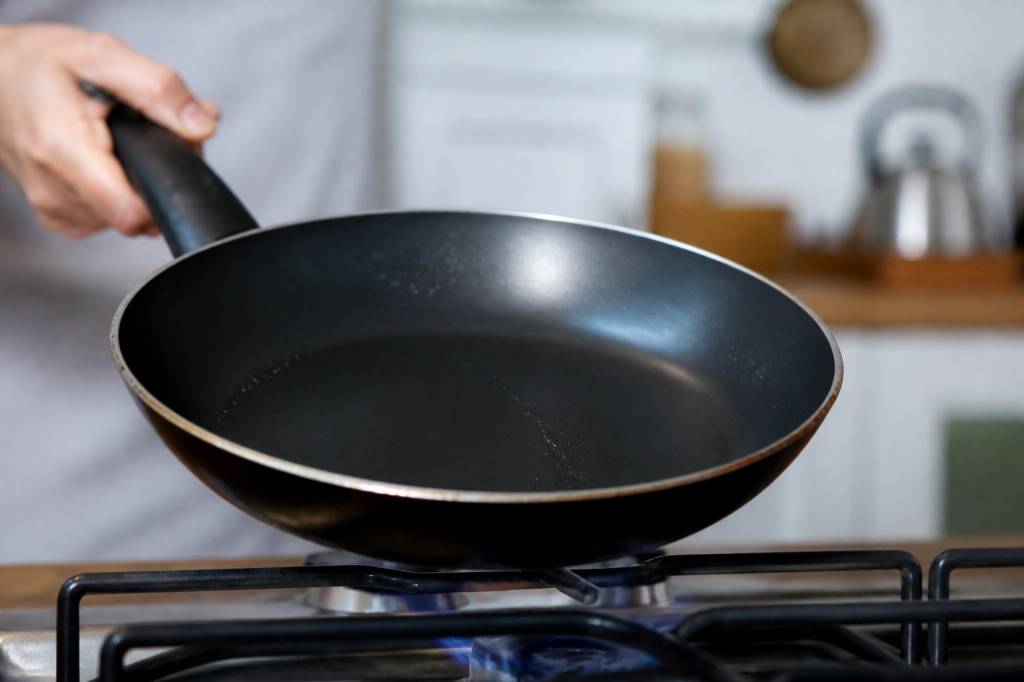
Non-stick pans are designed to make cooking easier: less oil, fewer stubborn residues and a quicker clean-up. But their convenience has raised an important question for consumers: could a non-stick frying pan increase exposure to PFAS?
The short answer is nuanced. Most modern non-stick cookware is coated with polytetrafluoroethylene (PTFE), a fluoropolymer in the wider PFAS family. When used correctly and kept in good condition, PTFE-coated pans are generally considered a low source of PFAS exposure in the kitchen. However, overheating, deterioration, poor-quality products and the environmental impacts of manufacturing deserve closer attention.
Understanding the difference between everyday use and avoidable risks is essential. A scratched pan is not automatically a toxic hazard, but neither should consumers ignore damaged coatings or extreme temperatures.
What are PFAS and why are they used in non-stick pans?
PFAS, or per- and polyfluoroalkyl substances, are a large group of synthetic chemicals valued for their resistance to heat, oil, water and chemical reactions. Those properties make them useful in many products, including firefighting foams, waterproof textiles, food packaging and industrial equipment.
PTFE is one type of fluoropolymer associated with the broader PFAS group. It is commonly recognised by brand names such as Teflon, although not every PTFE product uses that brand. The coating creates a smooth, low-friction surface that prevents food from sticking.
Historically, the manufacture of some fluoropolymer coatings involved processing aids such as PFOA, or perfluorooctanoic acid. PFOA has been linked to serious health concerns, including effects on the immune system, cholesterol levels and certain cancers. Its use has been phased out or heavily restricted in many countries, including the UK and the European Union.
That change is important, but it can also create confusion. “PFOA-free” does not necessarily mean “PFAS-free”. A pan labelled PFOA-free may still contain a PTFE coating, which is itself a fluorinated polymer. Consumers should therefore distinguish between:
-
PFOA-free: the product does not contain or use PFOA under the relevant manufacturing conditions.
-
PFAS-free: the manufacturer claims that no PFAS are present, although definitions and testing methods may vary.
-
PTFE-free: the pan does not use a PTFE-based coating, but another coating may still contain different materials that require scrutiny.
Can a non-stick pan expose you to PFAS?
For most people, normal cooking with an intact PTFE-coated pan is unlikely to be a major route of PFAS exposure. PTFE is a large, stable polymer and is not readily absorbed in the same way as smaller PFAS compounds such as PFOA or PFOS. Regulatory and scientific assessments have generally focused more heavily on PFAS contamination in drinking water, food packaging, occupational settings and polluted environments than on routine use of intact non-stick cookware.
However, “low risk under normal use” is not the same as “risk-free in every situation”. The potential concerns relate mainly to three situations:
-
Overheating the empty pan.
-
Using cookware with a badly damaged or deteriorating coating.
-
Supporting a wider demand for fluorinated materials whose production and disposal can affect the environment.
The coating itself is not expected to migrate significantly into food during ordinary cooking at recommended temperatures. The risk profile changes when a pan is heated far beyond its intended operating range.
The danger of overheating PTFE cookware
PTFE coatings are designed for everyday stovetop and oven cooking, but they should not be exposed to extreme heat. An empty pan can become dangerously hot in only a few minutes, particularly on a powerful gas or induction hob.
At sufficiently high temperatures, PTFE can begin to degrade and release fumes. This is sometimes described as “polymer fume fever”, a temporary flu-like illness caused by inhalation of fumes from overheated fluoropolymers. Symptoms may include headache, chills, fever, body aches and chest discomfort. They often develop several hours after exposure and may resolve within a day or two, but medical advice should be sought if symptoms are severe or persistent.
Birds are especially vulnerable. Their highly efficient respiratory systems mean that fumes harmless to humans can cause rapid and fatal respiratory failure in pet birds. A kitchen containing parrots, canaries or other birds should be well separated from overheated non-stick cookware, and the room should be ventilated immediately if a pan begins to smoke.
It is worth stressing that normal cooking temperatures are not the same as the temperatures associated with serious PTFE degradation. A pan used to gently fry vegetables is very different from an empty pan left on maximum heat until it smokes. The practical lesson is simple: never preheat a non-stick pan unattended, and do not use it for high-temperature searing if the manufacturer advises against it.
What happens when the coating is scratched?
Scratches are one of the most common reasons people replace non-stick pans. Metal utensils, abrasive scouring pads and stacking pans without protection can damage the surface over time.
Small flakes of PTFE may be released when a coating is scratched or begins to peel. Current evidence suggests that accidentally swallowing tiny particles of intact PTFE is unlikely to cause significant harm because the material is chemically inert and generally passes through the digestive system. This does not mean that a severely damaged pan should continue to be used indefinitely.
A deteriorating coating can expose the metal beneath it, making the pan less effective and potentially changing how heat is distributed. If the underlying metal is aluminium, repeated damage may also increase contact between food and the base material. More importantly, peeling is a clear sign that the cookware has reached the end of its useful life.
Do not attempt to repair a non-stick surface with household glue, paint or improvised coatings. Replace the pan when the surface is extensively scratched, blistered, flaking or visibly degraded.
Are non-stick pans a significant source of PFAS exposure?
PFAS exposure is usually influenced by multiple sources, including contaminated drinking water, food, indoor dust and consumer products. The relative importance of each source depends on the specific chemical, local contamination and individual circumstances.
For the general population, drinking water can be a particularly important source where groundwater or surface water has been contaminated by industrial activity, airports, military sites, landfills or firefighting foams. Food packaging and contaminated food may also contribute. In comparison, an intact PTFE pan used correctly is generally not considered one of the highest exposure pathways.
That distinction matters because fear-based advice can be as unhelpful as complacency. Throwing away every non-stick pan may not significantly reduce a person’s PFAS exposure if the main source is contaminated tap water. Conversely, ignoring local water quality while focusing only on cookware misses the most effective intervention.
If PFAS have been detected in your water supply, consult the information provided by your water company or local authority. Certified treatment systems, including appropriately maintained granular activated carbon or reverse osmosis units, may reduce certain PFAS, but performance depends on the technology and the specific compounds present. A standard jug filter should not automatically be assumed to remove PFAS.
How to use non-stick pans more safely
Small changes in kitchen habits can substantially reduce the chance of overheating or damaging the coating.
-
Avoid heating an empty pan. Add food, oil or liquid before or shortly after switching on the hob.
-
Use low to medium heat. Non-stick coatings are intended to reduce the need for high temperatures.
-
Ventilate the kitchen. Use an extractor fan or open a window, especially when cooking at higher temperatures.
-
Choose wooden, silicone or plastic utensils designed for non-stick cookware rather than metal tools.
-
Wash gently. Avoid steel wool, abrasive powders and aggressive scouring pads.
-
Do not place a hot pan under cold water. Sudden temperature changes can warp the pan and damage its coating.
-
Follow the manufacturer’s oven guidance. Handles, lids and coatings may have different temperature limits.
-
Replace severely damaged cookware. Peeling, bubbling or extensive scratching indicates that the pan should no longer be relied upon.
If a pan accidentally overheats and begins to smoke, turn off the heat, leave the area and ventilate the room. Do not immediately pour water into a very hot pan, as this can cause burns and splattering. If anyone develops breathing difficulties or significant symptoms, seek urgent medical advice.
Are PFAS-free alternatives safer?
Consumers who want to avoid fluorinated coatings can choose stainless steel, cast iron, carbon steel, ceramic-coated cookware or uncoated aluminium, depending on their cooking needs. These options have different advantages and limitations.
-
Stainless steel is durable and resistant to high temperatures, although food may stick if the pan is not properly preheated and oiled.
-
Cast iron retains heat well and can last for decades, but it is heavy and requires seasoning and careful drying.
-
Carbon steel offers many of the benefits of cast iron in a lighter format, provided it is seasoned and maintained.
-
Ceramic-coated pans are often marketed as PFAS-free, but their durability varies considerably between products.
-
Uncoated aluminium heats quickly, though it may not suit every food or cooking method.
“Ceramic” should also be read carefully. Some products marketed as ceramic cookware use a ceramic-like sol-gel coating rather than a solid ceramic body. Look for clear manufacturer statements about PFAS and PTFE content, and avoid relying solely on vague claims such as “natural” or “chemical-free”. Everything is made of chemicals; the useful question is which chemicals, at what concentration and under what conditions?
What should shoppers look for?
Product labels are not always consistent, particularly when manufacturers use “non-toxic”, “green” or “eco-friendly” language without explaining the materials involved. When buying new cookware, look for a specific statement confirming whether the product is PFAS-free and PTFE-free. If the information is unclear, check the manufacturer’s technical documentation or contact the company directly.
It is also sensible to consider durability. A cheap pan that needs replacing every year may create more waste than a well-made alternative designed to last. Environmental impacts do not stop when a product leaves the kitchen: fluorinated chemicals can persist in the environment, and manufacturing, waste treatment and disposal all require oversight.
There is no need to panic over a well-maintained non-stick pan used at moderate temperatures. The strongest practical advice is to avoid overheating, prevent unnecessary damage and replace cookware that is visibly failing. For households seeking to reduce their reliance on PFAS-associated materials, uncoated stainless steel, cast iron and carbon steel provide durable alternatives.
The wider PFAS problem remains much larger than the contents of a kitchen cupboard. Protecting public health requires better monitoring of drinking water, stronger controls on industrial emissions, transparent product labelling and effective treatment of contaminated sites. Individual cooking choices can reduce avoidable risks, but they should sit alongside—not replace—robust environmental regulation and reliable information about the water we drink.