


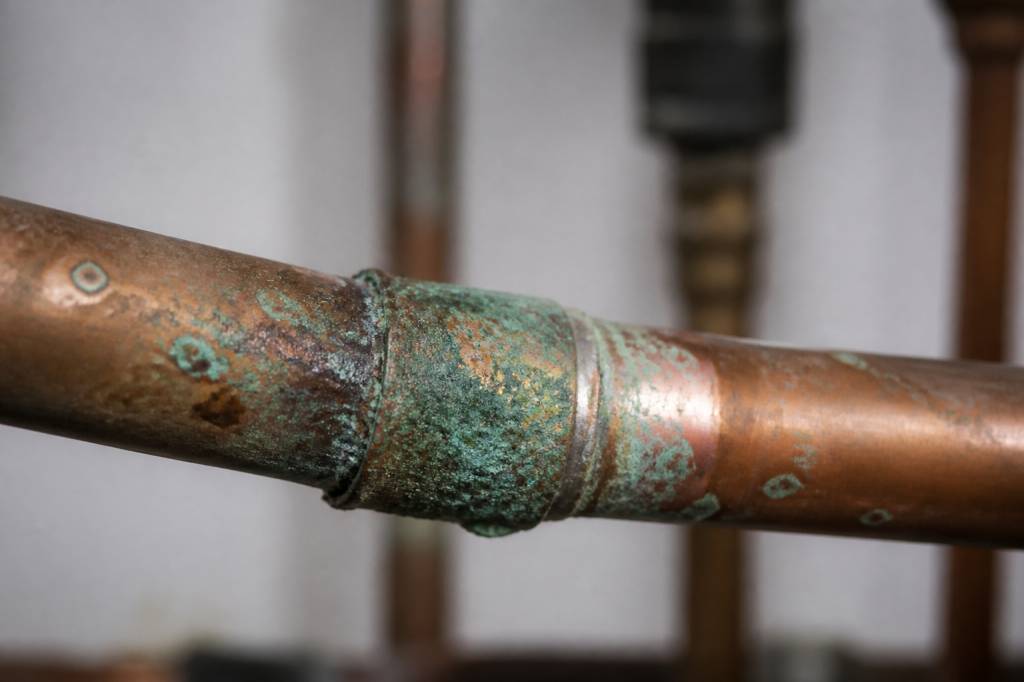
Copper pipes have a solid reputation. They last a long time, handle heat well, and have been used in water systems for decades. But they are not immune to corrosion. In fact, once corrosion starts, it can quietly affect water quality, plumbing performance, and even the safety of a building’s water supply.
So what actually causes copper pipe corrosion? How serious is it, and what can homeowners, facility managers, and water professionals do about it before the damage spreads? Let’s take a closer look.
What copper pipe corrosion actually is
Copper corrosion is a chemical or electrochemical reaction between the pipe surface and the water, air, or surrounding materials. Over time, the metal begins to dissolve, oxidise, or form deposits. Some corrosion is superficial and harmless. Other forms can create leaks, pinhole failures, blue-green staining, and elevated copper levels in drinking water.
Unlike a dramatic pipe burst, copper corrosion often develops slowly. That is part of the problem. By the time the signs become obvious, the water system may already have been under stress for months or years.
In water systems, corrosion is rarely caused by one factor alone. It usually comes from a combination of water chemistry, temperature, flow conditions, installation practices, and the materials connected to the pipework. In other words, copper is tough, but it is not operating in a vacuum.
The main causes of copper pipe corrosion
Corrosion starts when the balance between the pipe and the water becomes unstable. Several common conditions can push a system in that direction.
Low or high water pH
Water that is too acidic can be aggressive toward copper. Low pH water increases the likelihood that copper ions will dissolve into the water stream. On the other end, water chemistry that encourages scale instability can also create corrosion issues.
Most water systems aim for a balanced pH because extremes on either side can create problems. Acidic water is especially concerning in homes with private wells or in areas where the source water naturally lacks buffering minerals.
Low alkalinity and poor buffering capacity
Alkalinity helps water resist sudden changes in pH. When alkalinity is low, water chemistry becomes more unstable, and copper surfaces may corrode faster. This is often overlooked because alkalinity is less well-known than pH, yet it plays a major role in protecting plumbing.
High water velocity
Fast-moving water can physically wear away the protective layer that forms naturally on copper pipes. This is often called erosion-corrosion. It tends to show up in areas with excessive flow, sharp bends, poorly sized pipes, or pumps that create high turbulence.
If water moves through a pipe like it is late for a train, the pipe can pay the price.
Stagnant water
Stagnation can be just as problematic as high velocity. When water sits in pipes for long periods, it becomes more chemically reactive with the pipe material. That is one reason copper corrosion can be more noticeable in rarely used outlets, vacant buildings, or systems with intermittent use.
Standing water also increases the chance that copper ions accumulate in the first draw of water from a tap.
High temperature
Hot water accelerates corrosion reactions. That is why corrosion problems often show up more strongly in hot water lines than in cold ones. Water heaters can also influence chemistry by changing the way minerals, disinfectants, and dissolved gases behave.
Disinfectants and oxidising agents
Chlorine and chloramine are widely used to control microbial growth in public water systems. They are essential for public health, but they can also contribute to copper corrosion under certain conditions. Oxidising water chemistry can speed up the breakdown of protective films on the pipe interior.
This does not mean disinfectants are the enemy. It simply means water chemistry must be carefully managed so disinfection does not create avoidable plumbing damage.
Galvanic corrosion from mixed metals
When copper is connected to dissimilar metals such as steel or aluminium, galvanic corrosion can occur. In the presence of an electrolyte like water, one metal becomes more likely to corrode than the other. Poorly designed or ageing systems often contain multiple metals, which increases the risk.
Transitions between materials need to be properly isolated or fitted with compatible connectors. Otherwise, the plumbing system can become a small but effective electrochemical experiment.
Stray electrical currents
Electrical grounding issues or stray currents can also accelerate corrosion. This is less common in domestic systems than in larger buildings or industrial settings, but when it occurs, the impact can be significant.
Installation defects
Sometimes the problem begins on day one. Poor soldering, excessive flux, debris left inside pipes, and inadequate flushing after installation can all contribute to future corrosion. Even a well-made copper system can struggle if workmanship is sloppy.
What copper corrosion looks like in real life
Corrosion does not always announce itself with a dramatic leak. In many cases, the first signs are subtle.
- Blue-green staining around taps, sinks, or fittings
- Pinholes in pipes, especially on cold or hot water lines
- Metallic-tasting water
- Discoloured water when taps are first opened
- Reduced water pressure due to internal scale or deposits
- Visible corrosion around joints, elbows, or valves
- Frequent small leaks in the same part of the system
Some of these signs point to corrosion, while others may indicate scaling or general plumbing wear. Either way, they deserve attention. Water systems rarely improve by being ignored.
The risks to health and property
Copper is an essential trace element, but too much copper in drinking water can be a health concern. The main risk is not usually long-term poisoning from normal household exposure; rather, it is acute exposure at elevated levels, especially in water that has sat in pipes overnight or for long periods.
According to public health guidance in many countries, copper in drinking water should be kept below regulatory limits. When corrosion is active, levels can rise beyond those limits, particularly at first draw. Infants, young children, and people with certain metabolic conditions can be more vulnerable to excess copper exposure.
Health effects from high copper intake can include:
- Nausea
- Vomiting
- Abdominal discomfort
- Diarrhoea
- Metallic taste in water
From a property perspective, corrosion can cause expensive maintenance issues. Pinholes may appear in sections of pipe hidden behind walls or under floors, leading to damp, mould, and structural damage. A small leak in copper plumbing can be easy to dismiss at first, but the repair bill can grow quickly once water has found its way into building materials.
There is also a broader water-quality issue. Corroding copper pipes can release particles and dissolved metals into the water. That can complicate compliance testing and create customer complaints, especially in larger systems or multi-occupancy buildings.
Why corrosion is a water quality issue, not just a plumbing issue
It is tempting to treat pipe corrosion as a maintenance problem and nothing more. But the impact reaches beyond the pipe wall. Corrosion can alter taste, colour, and odour. It can increase metal concentrations. It can interfere with sampling results. And in systems where water quality is already under scrutiny, corrosion can make other issues harder to manage.
This matters especially where drinking water safety is already a priority. A system with active corrosion is not just ageing; it is chemically unstable. That makes monitoring and intervention more important, not less.
How to prevent copper pipe corrosion
The best prevention strategy is to reduce the conditions that make corrosion likely. That usually means combining water treatment, good design, and regular maintenance.
Test the water chemistry
Start with the basics. Measure pH, alkalinity, hardness, temperature, chloride levels, and, where relevant, disinfectant residuals. Corrosion control is much easier when the water profile is known. Guesswork is not a treatment plan.
For private water supplies or buildings with recurring issues, periodic testing is especially important. Water chemistry can shift seasonally, after rainfall, or when source water changes.
Adjust pH and alkalinity where needed
In some systems, corrosion control can be improved by adjusting pH or increasing alkalinity. This helps create a more stable environment inside the pipes and supports the formation of a protective mineral film.
Any chemical treatment should be carefully designed and monitored. Overcorrection can create new problems, including scaling or reduced treatment effectiveness.
Control water velocity
Pipe sizing, pressure management, and flow design all matter. If water velocity is too high, erosion-corrosion becomes more likely. If the system is poorly balanced, some areas may experience turbulence while others stagnate.
- Avoid undersized pipes
- Reduce unnecessary bends and abrupt directional changes
- Check pump settings and pressure levels
- Review dead legs and low-use branches
Flush low-use outlets
Where water has been stagnant for several hours or days, flushing can help remove water that has accumulated dissolved copper. This is particularly useful in schools, offices, holiday homes, and vacant buildings.
Flushing is not a cure for corrosion, but it can reduce exposure at the tap while longer-term fixes are put in place.
Use compatible materials
Mixed-metal systems need careful planning. Where copper meets steel, brass, or aluminium, the right fittings and insulation methods can reduce galvanic corrosion. This is especially important in retrofits, extensions, and partial pipe replacements.
Install effective filtration where appropriate
In some cases, point-of-use filtration can reduce copper exposure at specific taps. Filters designed to remove metals should be properly certified and maintained. They are not a substitute for fixing the root cause, but they can be a useful short-term or supplementary measure.
This is especially relevant if testing shows elevated copper levels at first draw from drinking water outlets.
Maintain water heaters and treatment equipment
Hot water systems often contribute to corrosion problems if they are poorly maintained. Sediment buildup, temperature issues, and incompatible treatment equipment can all affect copper pipe performance.
Regular maintenance helps keep water chemistry and flow conditions within a safer range.
Check for installation quality and age-related wear
Older copper systems may develop corrosion simply because protective layers have worn down over time. Inspections should look for pinholes, joint deterioration, external moisture, and signs of past leaks. In some cases, targeted replacement is more effective than repeated patch repairs.
When to investigate further
It is worth calling in a qualified plumber or water specialist if you notice repeated staining, metallic taste, unexplained leaks, or water test results showing elevated copper. If several taps show the same pattern, the issue may be systemic rather than local.
For larger buildings, hospitals, schools, and commercial properties, a formal corrosion risk assessment can help identify whether the problem is linked to water chemistry, plumbing design, or maintenance practices.
Useful questions to ask include:
- Has the source water changed recently?
- Are there mixed-metal connections in the system?
- Is hot water more affected than cold water?
- Do certain outlets show higher copper levels than others?
- Has the system had recent repairs, renovations, or stagnation periods?
What a practical prevention plan looks like
A good corrosion prevention plan is not complicated, but it does need to be systematic. The most effective approach usually combines testing, monitoring, and sensible maintenance rather than a single quick fix.
- Test water chemistry regularly
- Monitor copper levels where corrosion is suspected
- Keep pH and alkalinity within suitable ranges
- Reduce stagnation and excessive flow turbulence
- Use compatible pipe materials and fittings
- Inspect heaters, valves, and joints for early signs of damage
- Act quickly when leaks, stains, or taste changes appear
For homeowners, this may mean a periodic plumbing check and occasional water testing. For building managers, it can mean a more formal maintenance schedule and a clear plan for responding to corrosion complaints.
Why early action matters
Copper pipe corrosion tends to reward attention and punish delay. Catch it early, and you may only need water chemistry adjustments, a flush strategy, or a few targeted repairs. Leave it alone, and it can turn into repeated leaks, higher water bills, water quality complaints, and avoidable exposure to dissolved metals.
That is the real lesson: corrosion is not just an old-pipe problem. It is a water-system problem, and one that can often be managed before it becomes expensive or unsafe.
For anyone responsible for drinking water quality, the message is simple. Keep an eye on the chemistry, watch for the warning signs, and do not wait for a pinhole leak to become your official maintenance strategy.