

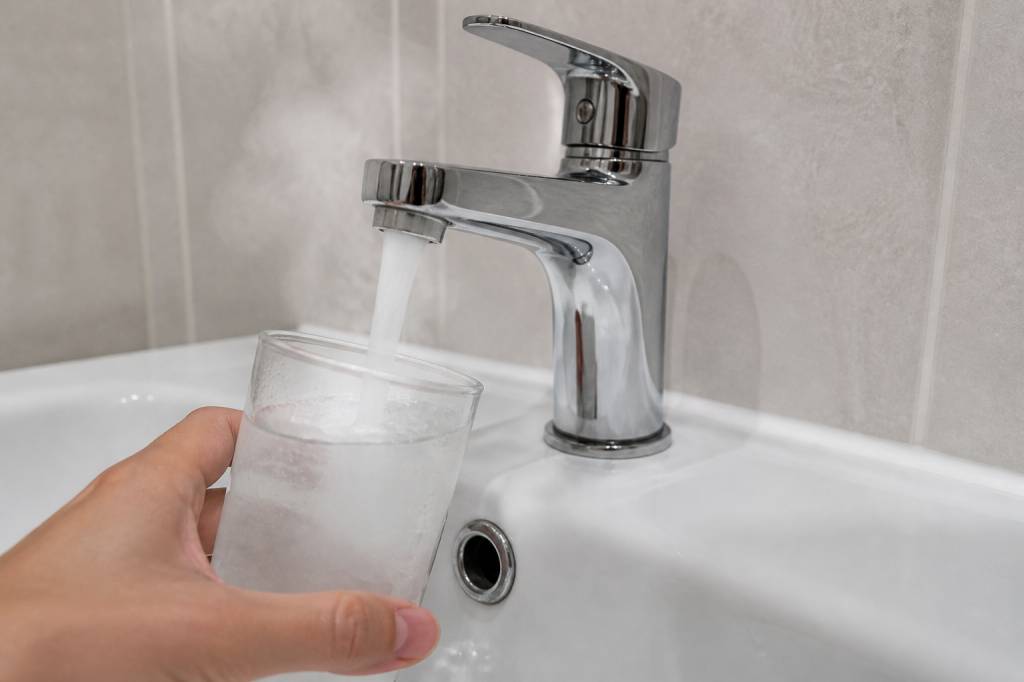
If your hot tap water looks cloudy, milky, or slightly white when it first comes out of the faucet, you are not alone. In many homes, this is a fairly common issue. In some cases, it is harmless and disappears within seconds. In others, it can point to a plumbing problem, sediment build-up, or water quality changes that deserve a closer look.
Cloudy water is one of those household issues that is easy to ignore until it becomes persistent. After all, water is supposed to be clear, right? So when it suddenly looks like someone added a splash of milk to the sink, it is natural to wonder whether something is wrong. The good news is that the cause is often straightforward. The less good news is that “cloudy” can mean several different things, and the right fix depends on identifying which one you are dealing with.
In this article, we will look at the most common causes of cloudy hot tap water, the possible health and plumbing risks, and the practical steps you can take to solve the problem. We will also cover when cloudy water is simply a harmless effect of air bubbles, and when it may be a sign that you should test your water or call a professional.
What cloudy hot tap water usually means
Cloudy water can appear white, hazy, or slightly grey. The key detail is whether the cloudiness clears after the water sits in a glass for a minute or two. If it does, the issue is often air in the water. If it does not, the cause may be sediment, corrosion, minerals, or a problem within your hot water system.
Hot water is more likely than cold water to become cloudy because heating changes the way dissolved gases behave. It can also disturb deposits inside your water heater and pipes. That makes the hot tap a useful early warning sign that something in the system needs attention.
Common causes of cloudy hot tap water
There are several possible reasons your hot water may look cloudy. Some are temporary and harmless. Others require maintenance or further investigation.
Air bubbles from heating
This is one of the most common explanations. Cold water naturally holds more dissolved gases than warm water. When water is heated, those gases are released as tiny bubbles, which can give the water a milky appearance. If the cloudiness disappears quickly from the bottom of a glass upward, it is likely just air.
A simple test: fill a clear glass with the hot water and let it sit. If the water clears within a minute or two, air bubbles are probably the reason. If the cloudiness remains, look for another cause.
Mineral deposits and hard water
Hard water contains elevated levels of minerals such as calcium and magnesium. Over time, these minerals can accumulate in a water heater or loosen from pipe surfaces, especially if the system has not been flushed in a while. In heated water, these deposits may appear as a cloudy haze or tiny white particles.
This is especially common in areas with hard water and in homes with older plumbing systems. A water softener may help reduce the problem, but it is important to confirm the cause before treating the symptom.
Sediment in the water heater
Water heaters naturally collect sediment over time. Small amounts of sand, rust, mineral scale, or other particles can settle at the bottom of the tank. When the heater kicks on, the turbulence can stir these materials into the hot water supply. The result may be cloudy water, grit, or a slightly metallic taste.
This issue is more likely if you have not flushed the water heater regularly. It can also happen after plumbing work, changes in mains water supply, or a disturbance in the local water network.
Corroded pipes or aging plumbing
Older plumbing systems can shed rust and other corrosion by-products into hot water. Hot water is more aggressive than cold water in some systems because heat can accelerate corrosion and loosen deposits inside pipes or tanks.
If the cloudiness has a brown, orange, or reddish tint, corrosion is a strong possibility. If you notice staining on sinks, discoloured water from only one tap, or fluctuating water quality, the plumbing itself may need inspection.
Water supply disturbances
Changes in the local water network can stir up sediment in mains pipes. This can happen after maintenance, hydrant use, pipe repairs, or sudden pressure changes. The result is often temporary and may affect both hot and cold water, although hot taps can show the problem more clearly because of the water heater’s role in the system.
Gas or pressure issues in the hot water system
In some homes, pressure imbalances inside the water heater or plumbing system can create cloudy water. If the issue appears alongside rumbling sounds, fluctuating pressure, or inconsistent hot water temperature, the heater may need servicing.
While this is less common than air bubbles or sediment, it is worth considering if the problem is persistent and you have already ruled out the basics.
Is cloudy hot water dangerous?
Not always. In many cases, cloudy hot water is not an immediate health hazard. Air bubbles, for example, are not harmful. But cloudiness should not be dismissed automatically, especially if it is persistent or accompanied by other warning signs.
The main risks depend on the underlying cause:
For households concerned about chemical exposure, it is also worth noting that unusual water quality can sometimes point to broader plumbing or treatment issues. While cloudy water itself is not a classic sign of PFAS contamination, any unexplained change in water quality is a reminder to stay alert. PFAS are invisible, odourless, and tasteless, which means they will not make water look cloudy. But if your water system is already showing signs of age or contamination, it may be a good moment to assess the water more broadly.
How to tell whether the cloudiness is harmless
There are a few simple checks you can do at home before calling in a plumber or testing your water.
If the water clears quickly and there are no other symptoms, you may simply be seeing dissolved air. If the issue persists, it is time to investigate further.
Practical solutions for cloudy hot tap water
The right solution depends on the cause. Here are the most effective steps, from simplest to more involved.
Flush the hot water system
If sediment is the issue, flushing the water heater can make a significant difference. This removes built-up particles from the tank before they continue circulating through your hot water supply. Many manufacturers recommend regular flushing, often once a year, though frequency can vary depending on water hardness and usage.
If you are not comfortable doing this yourself, a qualified plumber can handle it and check whether the heater is showing signs of wear.
Inspect the water heater
A failing anode rod, excessive sediment, or internal corrosion can all affect water clarity. The anode rod is designed to protect the tank from rust, but once it is depleted, corrosion can speed up. If your water heater is older and cloudiness is becoming a recurring issue, servicing may be more cost-effective than waiting for a breakdown.
Check the plumbing for corrosion
Persistent cloudiness in only one part of the home may suggest a localised pipe problem. Older galvanized steel pipes are especially prone to corrosion and rust build-up. A plumber can inspect the line and determine whether replacement sections are needed.
Install or maintain water treatment equipment
If hard water is a recurring factor, a water softener can help reduce scale formation in the heater and pipes. For homes with broader water quality concerns, a suitable filtration system may improve taste and reduce certain contaminants, depending on the filter type.
It is important to choose the right technology for the right problem. A sediment filter can help with particles, but it will not remove dissolved contaminants such as PFAS. Activated carbon filters and reverse osmosis systems are more relevant for many chemical contaminants, including PFAS, depending on the specific product certification and design.
Test the water
If the cause is not obvious, a water test can provide clarity. Testing can help determine whether the issue is related to hardness, metals, sediment, or something else. For households with private wells, this step is especially important, since well water quality can change over time without warning.
If you are concerned about contaminants beyond cloudiness, testing becomes even more valuable. A proper test can help separate a nuisance issue from a genuine water quality problem.
Call the water supplier if the issue affects more than one tap
If both hot and cold water are cloudy, the mains supply may be the source. Contact your water provider and ask whether there has been maintenance, a burst pipe, pressure change, or known issue in your area. Utilities can often confirm whether the water is safe to use and whether the cloudiness is expected to clear.
When to seek professional help
Some cases are simple. Others are not. You should contact a plumber or water quality professional if:
If your household includes young children, older adults, or anyone with a weakened immune system, it is wise to be more cautious. Even if the problem turns out to be benign, persistent water quality changes deserve attention.
Can cloudy hot water be prevented?
In many homes, yes, at least to some extent. Regular maintenance is the most effective preventive step.
If your area has hard water or older infrastructure, cloudiness may never disappear entirely without intervention. But with the right maintenance, it should become less frequent and easier to manage.
A useful reminder about water quality
Cloudy hot tap water is often a plumbing or heating issue rather than a health emergency. Still, it is a visible sign that something in your water system has changed. That alone is reason enough to pay attention.
Water should not be a mystery. If it looks different, smells different, or behaves differently, treat it as useful information. Sometimes the fix is as simple as letting the air settle out of the glass. Other times, it is a sign that your heater needs flushing, your pipes need inspection, or your household water deserves a more thorough test.
And if you are already thinking about overall water safety, that is the right instinct. Cloudiness may be one problem, but it is often the first clue that leads to better maintenance, better filtration, and better protection for your home.