


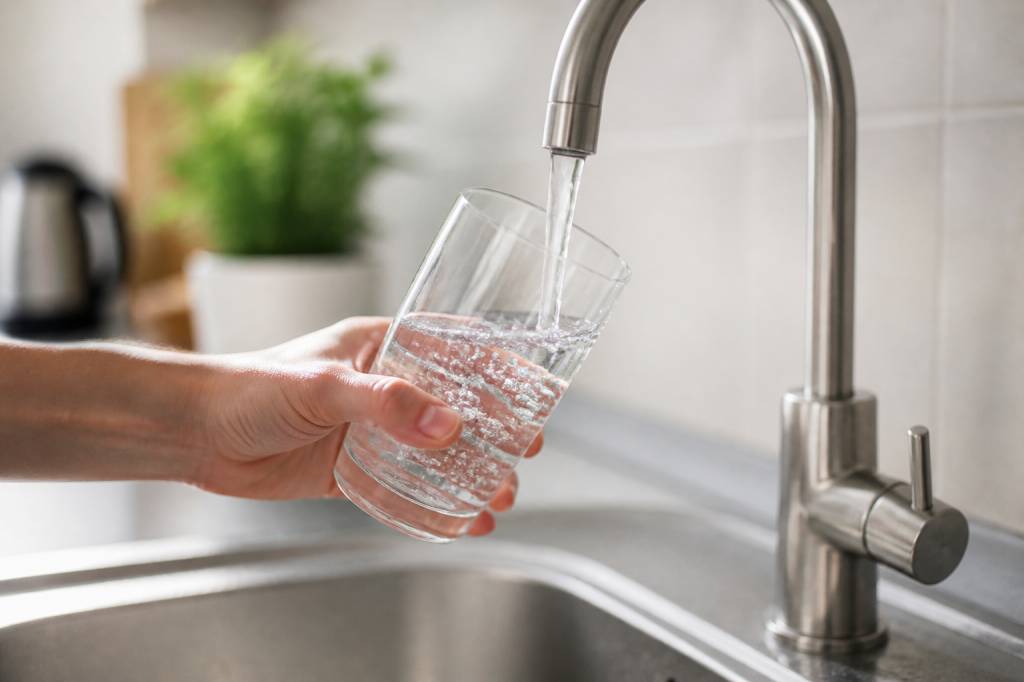
In the UK, chlorination is one of the main reasons tap water is considered microbiologically safe. It has saved countless lives by preventing outbreaks of waterborne disease, and for that reason it remains a cornerstone of public health. But as more households pay attention to what is in their water, a fair question is gaining traction: what are the health implications of drinking chlorinated water every day, and when does filtration make sense?
The short answer is that chlorine in tap water is not automatically a problem. In fact, the levels used in UK drinking water are carefully controlled and usually low. Still, chlorine can affect taste and smell, may irritate sensitive individuals, and can react with organic matter to form disinfection by-products. If you are weighing up whether to filter your tap water, it helps to understand what chlorination does, what the regulations say, and which filtration methods are actually useful.
Why chlorine is added to UK tap water
Chlorine is used to disinfect drinking water because it is effective, affordable, and leaves a residual that helps keep water safe as it travels through the distribution network. That residual matters. A treatment plant can produce clean water, but if the water then moves through miles of pipes before reaching your kitchen, protection has to last all the way to the tap.
In practice, water companies in the UK use chlorine or chloramine under tightly monitored conditions. The purpose is straightforward: kill or inactivate harmful microorganisms such as bacteria, viruses, and protozoa. Without disinfection, the risk of outbreaks would be far higher, especially after heavy rainfall, flooding, or infrastructure failures.
So no, chlorine is not the villain in the story. It is more like the seatbelt of the water system: not glamorous, but hard to argue against when it comes to safety.
What are the health risks of chlorinated water?
For most people, the chlorine levels found in UK tap water are not considered harmful. The main concern is not chlorine itself at regulated concentrations, but rather the compounds it can form when it reacts with natural organic material in water. These are known as disinfection by-products, or DBPs.
The best-known DBPs include trihalomethanes (THMs) and haloacetic acids (HAAs). Research has linked long-term exposure to elevated levels of some DBPs with increased health risks, though the evidence varies by compound and exposure route. The key phrase here is “elevated levels.” UK water quality standards are designed to keep these substances below legal limits, and water companies are required to monitor them.
Potential issues associated with chlorinated water include:
- Noticeable taste or odour, especially in freshly treated water
- Dryness or irritation of the skin in some sensitive individuals, particularly during bathing
- Possible exposure to DBPs if water has higher organic content or if treatment is suboptimal
- Greater concern for people relying on older plumbing systems, where water quality can be affected after treatment
It is worth separating perception from risk. Many people dislike the smell of chlorine and assume that unpleasant taste means unsafe water. That is not necessarily true. In most cases, the water is safe but not particularly pleasant. The difference matters.
Some groups may be more sensitive to chlorinated water than others. People with very reactive skin, eczema, or respiratory sensitivity sometimes report irritation from showering or bathing in chlorinated water. While this is not the same as a serious toxicological risk, it can still affect comfort and quality of life.
How UK regulations control chlorinated water
UK drinking water is regulated through a robust framework that sets standards for microbiological safety, chemical contaminants, and treatment by-products. Water suppliers must comply with the Water Supply (Water Quality) Regulations in England and Wales, equivalent regulations in Scotland and Northern Ireland, and oversight from the relevant regulators.
Several layers of control help keep chlorinated water within safe limits:
- Maximum allowable concentrations for specific disinfection by-products
- Routine sampling and laboratory testing by water companies
- Regulatory audits and public reporting of compliance
- Requirements to investigate and remediate failures if standards are exceeded
For example, THMs are monitored because they are among the most common by-products associated with chlorination. Water companies are expected to identify where elevated levels may occur, such as in warmer months or in supplies with high levels of natural organic matter. Treatment processes can then be adjusted to reduce formation.
One important point is that compliance is not just about the water leaving the treatment plant. It is also about what happens along the way. Stagnation, temperature, and pipe condition can all influence water quality before it reaches your tap. That is one reason why your home plumbing deserves attention too.
Does boiling remove chlorine?
Yes, boiling can reduce free chlorine because chlorine is volatile and can dissipate from water when heated. But boiling is not a complete or practical solution for everyday drinking water treatment. It does not remove DBPs already formed, and it is obviously not ideal if your goal is to improve taste efficiently.
If your main complaint is the smell of chlorine in a glass of water, leaving a jug uncovered in the fridge for a period of time can also allow some chlorine to dissipate. That said, this approach is inconsistent and does nothing for other contaminants.
If you want a more reliable solution, the right filtration method matters far more than boiling, leaving water to stand, or the classic “just add a lemon” strategy.
When filtration makes sense
Not everyone needs to filter chlorinated water. If you are generally satisfied with your tap water, your supply is compliant, and you have no specific sensitivity, you may decide that filtration is unnecessary. But there are clear situations where it can be useful.
You may want to consider filtration if:
- Your tap water has a strong chlorine taste or odour
- You have sensitive skin and find baths or showers irritating
- You live in an area with older plumbing or known water quality issues
- You want an extra layer of protection against certain by-products
- You use tap water for infant formula and want to improve taste and reduce chlorine exposure
That said, filtration is not one-size-fits-all. A filter that improves taste may not address the contaminants you are actually worried about. Choosing the right system starts with knowing what it removes.
Best filtration options for chlorinated water
For removing chlorine, activated carbon is the most widely used and effective option in domestic filtration. Carbon works by adsorption, trapping chlorine and many organic compounds on its surface. This is why carbon filters are commonly used in jugs, under-sink systems, shower filters, and whole-house units.
Different formats offer different benefits:
- Pitcher filters: Affordable and easy to use, good for improving taste, but limited capacity and slower flow
- Tap-mounted filters: Convenient for point-of-use chlorine reduction, with more immediate access to filtered water
- Under-sink carbon filters: Better for households wanting larger volumes and stronger performance
- Whole-house filters: Useful if you want chlorine reduction at every outlet, including showers and baths
For many households, a carbon filter certified to remove chlorine is enough to noticeably improve taste and odour. If you are also concerned about broader chemical contamination, look for systems with independent certification and clear performance data.
Reverse osmosis can remove a wider range of contaminants, but it is usually more expensive, wastes some water, and removes beneficial minerals as well. It is generally more filtration than many households need if chlorine is the main issue.
Shower filters are worth mentioning because skin contact is often where people notice chlorine most. While the evidence for major health benefits is mixed, many users report less dryness and less of that unmistakable “swimming pool” smell after bathing. If nothing else, that is a perfectly reasonable quality-of-life upgrade.
What to look for in a filter
Not all filters are equal, and marketing claims can be optimistic. A filter that says it “freshens water” is not necessarily a filter that meaningfully reduces chlorine. Look for the details.
Useful features to check include:
- Independent certification or testing to recognised standards
- Clear data on chlorine reduction performance
- Filter lifespan and replacement schedule
- Flow rate, especially if you use water frequently
- Whether the filter targets only chlorine or also other contaminants such as PFAS, lead, or sediment
If your concern extends beyond chlorine, be cautious with products that make broad but vague claims. Some cheap filters improve taste for a short period and then lose effectiveness quickly. A well-designed system should state exactly what it removes and for how long the filter remains effective under normal use.
How chlorinated water fits into the bigger water quality picture
Chlorine is only one piece of the UK water quality puzzle. The same water supply that contains disinfectant may also be affected by pipe materials, agricultural runoff, industrial pollution, or emerging contaminants such as PFAS. In other words, focusing only on chlorine can miss larger issues.
This is where a balanced approach matters. Chlorination protects public health every day by preventing microbial contamination. At the same time, households increasingly want water that is not just safe, but also pleasant and as low in unwanted chemicals as possible. Those goals are compatible, but they require informed choices.
For example, if you are mainly concerned about chlorine taste, a basic carbon filter may be enough. If you are also worried about lead from old plumbing, you need a filter certified for lead reduction. If PFAS is part of the concern, you need a system that specifically addresses it. The filter has to match the risk.
Practical tips for UK households
If you are deciding what to do about chlorinated water at home, a few simple steps can help you make a sensible choice without overcomplicating the issue.
- Check your local water supplier’s quality report to see what disinfectant and treatment methods are used
- Consider whether your main issue is taste, odour, skin sensitivity, or contamination concerns
- Choose a filter based on what it is certified to remove, not just on advertising language
- Replace cartridges on schedule, because an exhausted filter can lose performance quickly
- Flush taps after periods of stagnation, especially first thing in the morning
- If you live in an older property, consider testing for lead as well as chlorine-related concerns
It is also sensible to think about hot water use. Chlorine can be more noticeable in hot water, and hot water systems can affect taste and odour. If you are filtering for drinking and cooking, a point-of-use filter on the cold tap is often the most efficient option.
So, is chlorinated water in the UK safe?
For the vast majority of people, yes. UK chlorination practices are designed to protect public health and are tightly regulated. The chlorine levels used are generally low, and water companies are required to control disinfection by-products through monitoring and treatment.
That does not mean every household will love the experience of drinking or bathing in chlorinated water. Taste, odour, and sensitivity vary. Some people notice nothing at all; others are immediately aware that their water smells like a municipal swimming pool. Both reactions are common.
If your goal is to reduce chlorine specifically, activated carbon filtration is usually the most practical solution. If you are also concerned about other contaminants, choose a system based on verified performance data rather than broad claims. Safe water should not require guesswork, and your filter should be doing real work, not just sitting there looking busy.
Understanding the role of chlorine helps you make better decisions: not fear-based ones, but evidence-based ones. And that is exactly where household water choices should start.