


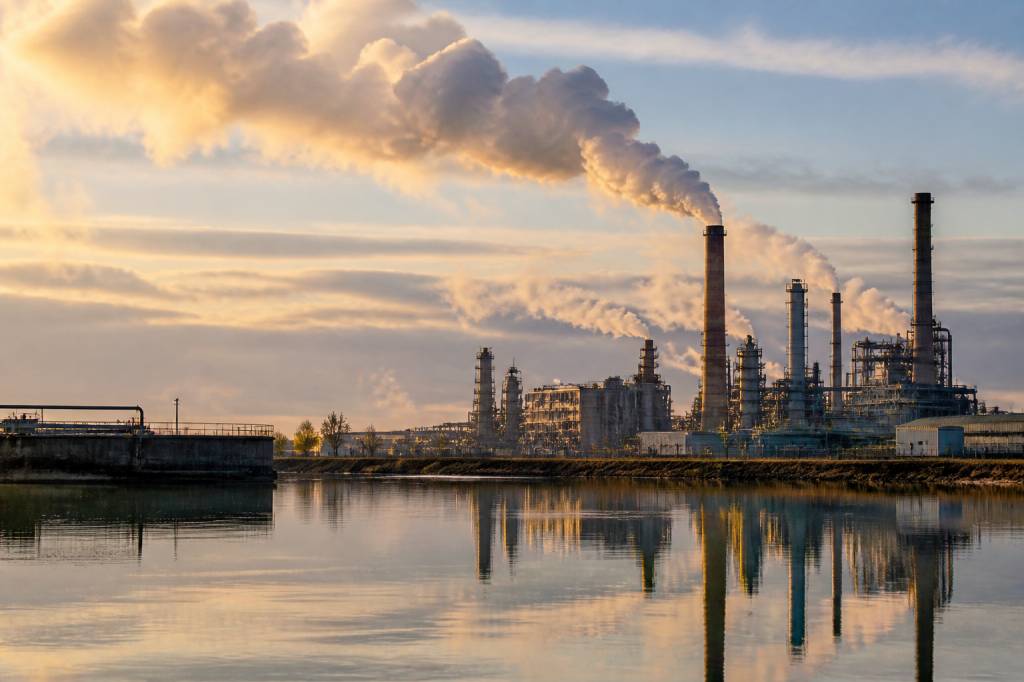
Water treatment is essential for public health and environmental protection. It keeps drinking water safe, reduces disease risk, and helps manage wastewater before it reaches rivers, lakes, and seas. But there is a less visible side to this process: water treatment can also generate greenhouse gases. In other words, the systems designed to clean water can, under certain conditions, add to the climate burden. That is not a reason to abandon treatment—far from it—but it is a reason to understand where emissions come from and how they can be reduced.
Why does this matter? Because water and climate are tightly linked. As temperatures rise, storms intensify, droughts deepen, and water infrastructure comes under more pressure. At the same time, treatment plants consume energy and can release methane, nitrous oxide, and carbon dioxide. Some of these emissions are direct. Others are hidden in the electricity used to move, aerate, filter, and disinfect water. The result is a system that protects society in one way while contributing to environmental stress in another.
Why water treatment can generate greenhouse gases
Most people think of water treatment as a purely beneficial process, and in many respects it is. Yet every step in the chain—from pumping raw water to treating sludge—requires energy and can create emissions. The main greenhouse gases associated with water treatment are carbon dioxide (CO2), methane (CH4), and nitrous oxide (N2O). Each has a different source and a different climate impact.
CO2 is usually linked to electricity use and fuel combustion. If a treatment plant relies on grid power generated from fossil fuels, its indirect emissions can be substantial. Methane and nitrous oxide are more concerning from a climate perspective because they are much more potent than CO2 over short and medium time frames. Even relatively small releases can have a significant impact.
The emissions profile depends on the type of treatment, the quality of incoming water, the size of the facility, and local energy sources. A modern plant powered by renewables will look very different from an older plant using energy-intensive aeration and fossil-fuel electricity. This variation is important: there is no single emission pathway, and no single fix.
The role of energy use in treatment plants
Energy demand is one of the biggest drivers of greenhouse gas emissions in water treatment. Pumps, mixers, aerators, membranes, UV systems, and sludge handling equipment all consume electricity. In drinking water treatment, large volumes of water may need to be lifted from reservoirs or aquifers, filtered, pressurized, and disinfected. In wastewater treatment, aeration alone can account for a major share of electricity consumption.
Aeration deserves special attention. It is often essential for biological treatment because it supplies oxygen to microorganisms that break down organic matter. But it is also energy-hungry. If a plant runs inefficient aeration systems or operates them inefficiently, emissions rise quickly. Think of it as leaving the lights on in a stadium when only one corner is in use—except the “lights” are motors, blowers, and pumps running around the clock.
Energy use also increases when plants have to remove more contaminants. Advanced treatment processes, such as membrane filtration or activated carbon systems, are extremely useful for dealing with pollutants including PFAS, pharmaceuticals, and trace organics. However, these systems can require more electricity and additional chemical inputs. The environmental trade-off is real: better contaminant removal can come with a higher carbon footprint unless the system is designed carefully.
Methane emissions from wastewater treatment
Methane is a major greenhouse gas linked to wastewater treatment, especially where organic waste decomposes under low-oxygen conditions. Wastewater contains biodegradable material. When this material breaks down anaerobically—without oxygen—it can produce methane. This can happen in sewers, holding tanks, sludge digesters, and lagoons if systems are not properly managed.
Some wastewater plants intentionally use anaerobic digestion to treat sludge and recover biogas. In theory, this is a smart strategy because captured biogas can be burned to generate heat or electricity. In practice, emissions can still occur if methane leaks from digesters, pipes, valves, or storage systems. Small leaks matter because methane is highly potent, and fugitive emissions can erode the climate benefit of energy recovery.
Open lagoons and poorly controlled wastewater facilities are especially problematic. In warmer climates, decomposition can be faster, which may increase methane production. In older infrastructure, where containment is weak and maintenance is limited, emissions can be even higher. This is one reason why wastewater modernization is not just a sanitation issue; it is a climate issue too.
Nitrous oxide: the hidden emission in nitrogen removal
Nitrous oxide is less discussed than methane, but it is a serious greenhouse gas in wastewater treatment. It can be produced during nitrification and denitrification, two biological processes used to remove nitrogen from wastewater. These processes are essential because excess nitrogen discharged into waterways can trigger algal blooms, oxygen depletion, and biodiversity loss.
The challenge is that nitrogen removal can generate N2O when conditions are unstable. Low oxygen levels, fluctuating carbon availability, temperature changes, or incomplete biological reactions can all encourage emissions. In many plants, nitrous oxide is difficult to detect and even harder to control without careful monitoring.
From a climate perspective, this is significant. Nitrous oxide has a much higher warming potential than CO2 and also contributes to ozone depletion. That means a treatment process designed to protect rivers and coastal waters can unintentionally release a gas with wider atmospheric consequences. This is one of the clearest examples of why environmental management must be assessed as a system, not as isolated targets.
Chemicals, sludge, and indirect pollution pathways
Greenhouse gas emissions are only part of the story. Water treatment can also contribute to environmental pollution through chemical use, sludge disposal, and energy-related air pollution. Coagulants, disinfectants, pH adjusters, and cleaning agents are often necessary to ensure safe treatment, but they require manufacturing, transport, and handling. Each of those stages adds environmental cost.
Sludge is another critical issue. Wastewater treatment produces biosolids rich in organic matter, nutrients, and sometimes contaminants. When sludge is landfilled, incinerated, or inadequately managed, it can generate methane or release pollutants into soil and water. If it is applied to land without sufficient safeguards, contaminants may enter ecosystems or agricultural systems. In facilities dealing with persistent chemicals, including PFAS, sludge management becomes even more sensitive because these substances do not break down easily and can spread through disposal pathways.
There is also the indirect pollution associated with electricity generation. If a plant draws power from coal or gas, its emissions are not limited to CO2. Upstream pollution can include nitrogen oxides, sulfur dioxide, particulate matter, and other substances that affect air quality and public health. So when we talk about “greenhouse gases in water treatment,” we are often talking about a broader chain of environmental impacts.
How leaks and infrastructure failures make emissions worse
Infrastructure condition matters more than many people realise. Cracked pipes, overloaded sewer systems, failing aeration equipment, and poorly sealed tanks all increase the likelihood of emissions and pollution. In wastewater networks, infiltration and inflow can bring excess stormwater into the system, increasing the volume that must be pumped and treated. More volume means more energy use, and more energy use usually means more emissions.
In some cases, untreated or partially treated wastewater is released during heavy rainfall or equipment failure. These discharges can lead to both local pollution and greenhouse gas production. Organic matter in water bodies can decompose and release methane, while nutrient pollution can damage aquatic ecosystems and reduce their resilience to climate stress.
This is where resilience and emissions reduction overlap. A plant that is better maintained, better monitored, and more efficient is usually not only cleaner—it is also less carbon-intensive. Preventing failures is one of the simplest ways to lower environmental impact. It is not glamorous, but it works. Sometimes the most effective climate action is just fixing the valve before it becomes a very expensive problem.
What makes emissions vary from one facility to another
Not all treatment plants have the same footprint. Emissions depend on several practical factors:
- Energy source: facilities powered by renewable electricity typically have lower indirect emissions.
- Treatment type: advanced treatment often requires more energy than basic processes.
- Wastewater strength: high organic and nutrient loads can increase methane and nitrous oxide formation.
- Plant design: efficient aeration, leak control, and energy recovery can significantly reduce emissions.
- Operational quality: poor monitoring, maintenance gaps, and unstable process control raise risk.
- Climate and temperature: warmer conditions can accelerate biological activity and gas production.
This variability is both a challenge and an opportunity. It means that emissions are not fixed. They can be measured, managed, and reduced. But it also means that every facility needs a tailored approach rather than a one-size-fits-all target.
How to reduce greenhouse gases in water treatment
The good news is that there are practical ways to reduce emissions without compromising water safety. In many cases, the most effective strategies are straightforward, even if implementation takes investment and planning.
- Improve energy efficiency in pumps, blowers, and aeration systems.
- Use variable-speed controls and smart monitoring to match energy use to demand.
- Recover energy from biogas where anaerobic digestion is already in use.
- Seal leaks and improve containment in digesters, tanks, and pipelines.
- Shift facilities toward low-carbon electricity sources where possible.
- Optimize nitrogen removal to reduce nitrous oxide formation.
- Reduce inflow and infiltration in sewer systems to avoid unnecessary treatment volumes.
- Use advanced treatment only where it is genuinely needed, and design it for efficiency.
Monitoring is key. You cannot manage what you do not measure. Facilities that track methane, nitrous oxide, electricity use, and process stability are better placed to identify emission hotspots and improve performance. This is particularly important as climate reporting becomes more detailed and as regulators focus more closely on the full environmental footprint of infrastructure.
Why this matters for public health and ecosystems
Greenhouse gas emissions from water treatment are not abstract accounting figures. They connect directly to the health of ecosystems and communities. Climate change increases the risk of drought, flooding, sea-level rise, and water quality deterioration. In turn, those impacts make treatment more difficult and more energy-intensive. It is a feedback loop, and not the helpful kind.
Polluted water can damage fisheries, reduce biodiversity, and undermine drinking water security. Climate change can amplify all of these pressures. That is why reducing emissions in the water sector is not a side issue—it supports the stability of the entire water system. Lower emissions, lower energy demand, and better pollutant control all reinforce one another.
For communities already facing water contamination concerns, including persistent chemicals, the stakes are even higher. Treatment must address current pollution while avoiding unnecessary new burdens. That means designing systems that are both chemically effective and climate-conscious. In practice, environmental protection should not force a choice between clean water and lower emissions. The goal is to achieve both.
The future of lower-carbon water treatment
The future of water treatment is likely to be shaped by a combination of cleaner energy, smarter process control, and tighter pollution management. Digital monitoring, real-time process optimization, and improved materials can all help reduce emissions. So can circular approaches that recover energy, nutrients, and reusable water from waste streams.
There is also growing interest in nature-based solutions, such as constructed wetlands and source control, which can reduce the need for energy-intensive treatment in some settings. These approaches are not universal replacements for conventional plants, but they can complement them and lower overall environmental impact.
The key message is simple: water treatment is indispensable, but it is not impact-free. Understanding the causes of greenhouse gas emissions in this sector is the first step toward cleaner infrastructure. If we want safer water and a more stable climate, we need treatment systems that are designed with both goals in mind. That is not a niche technical debate. It is one of the practical environmental questions of our time.