


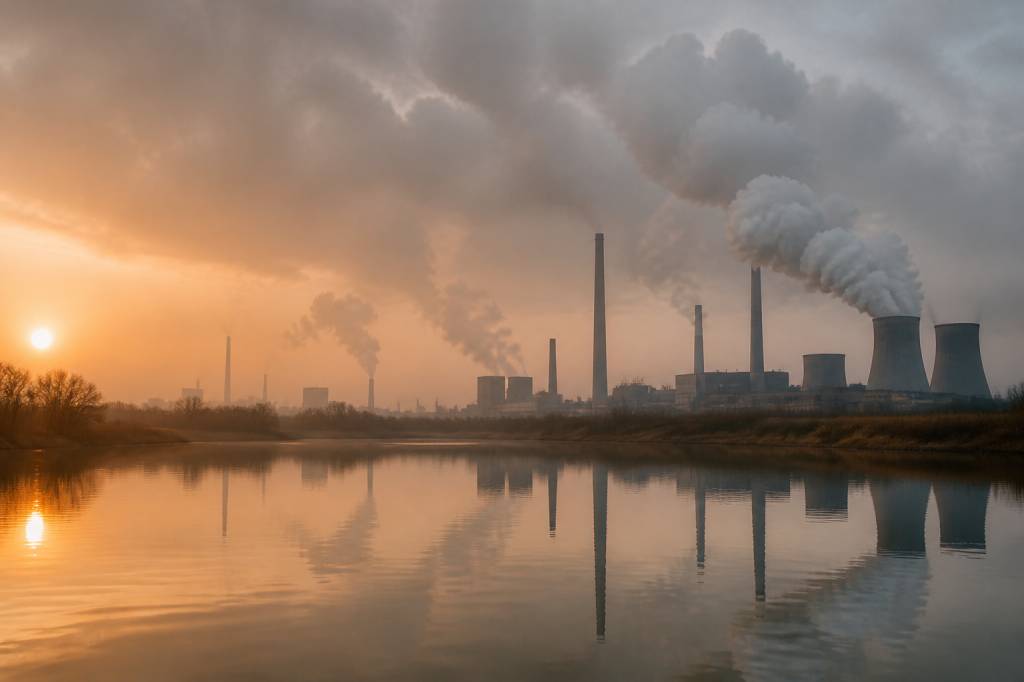
Greenhouse gases and water pollution are often discussed as separate environmental problems. In reality, they are closely connected. The same activities that release carbon dioxide, methane, and nitrous oxide into the atmosphere also contaminate rivers, lakes, groundwater, and coastal waters. If that sounds like a double hit, it is.
For a blog focused on water quality, this connection matters. Climate pollution does not just warm the planet; it changes rainfall patterns, intensifies floods and droughts, increases runoff, and makes pollution harder to control. In other words, greenhouse gas emissions can quietly shape the way contaminants move through water systems.
Understanding the causes of greenhouse gases helps explain why water pollution is becoming more difficult to manage. It also shows why solutions for climate and water quality often need to be tackled together, not as separate policy boxes checked by different departments.
What greenhouse gases are and why they matter
Greenhouse gases trap heat in the atmosphere. The main ones linked to human activity are carbon dioxide, methane, nitrous oxide, and fluorinated gases. They have different sources, but they share one major effect: they alter the climate system.
That climate shift affects water in several ways. Warmer air holds more moisture. Rainfall becomes more intense in some regions and less predictable in others. Glaciers and snowpack melt earlier. Sea levels rise. Storm surges reach farther inland. All of this changes how pollutants are transported, diluted, or concentrated in water bodies.
The result is not just “more pollution.” It is a different kind of pollution problem, often more volatile and harder to predict.
The main causes of greenhouse gas emissions
Most greenhouse gas emissions come from human activities tied to energy, transport, agriculture, industry, and land use. The sources are well known, but their water impacts are sometimes overlooked.
- Fossil fuel combustion: Burning coal, oil, and gas for electricity, heating, and transport releases large amounts of carbon dioxide.
- Agriculture: Livestock produce methane, while fertiliser use leads to nitrous oxide emissions.
- Deforestation: Cutting forests reduces the planet’s ability to absorb carbon dioxide and often exposes soil to erosion and runoff.
- Industrial processes: Cement production, chemical manufacturing, and high-energy manufacturing activities release significant emissions.
- Waste management: Landfills emit methane as organic waste decomposes without oxygen.
These sources are not isolated. A single industrial zone may burn fuel, discharge wastewater, generate solid waste, and contribute to runoff at the same time. That means climate emissions and water pollution can originate from the same location, even if they show up in different environmental reports.
Why fossil fuels are a major driver of both climate change and water pollution
Fossil fuels are the biggest contributors to carbon dioxide emissions, but their water footprint is just as important. Extraction, transport, refining, and combustion all affect water quality.
Mining coal and drilling for oil and gas can release heavy metals, salts, hydrocarbons, and other contaminants into nearby water systems. Spills during transport add another layer of risk. Refining and petrochemical operations generate wastewater that may contain complex chemical mixtures. Even power plants can pollute water through heated discharges or ash contamination.
Then there is the climate effect. When fossil fuel combustion drives global warming, water pollution becomes harder to control because floods can overwhelm treatment systems, droughts can concentrate pollutants, and warmer water can reduce oxygen levels in rivers and lakes. So the emissions problem does not stop at the smokestack. It ripples into the watershed.
Agriculture: methane, nitrous oxide, and nutrient pollution
Agriculture is one of the most important sources of greenhouse gases, especially methane from livestock and nitrous oxide from fertilised soils. But it is also a major source of water pollution.
Nitrogen and phosphorus from fertilisers and manure can wash into surface water during rainfall. This runoff can trigger algal blooms, oxygen depletion, fish kills, and long-term ecosystem damage. In some regions, agricultural runoff is a leading cause of river and lake impairment.
Livestock operations can also release pathogens, antibiotics, and organic waste into waterways if manure storage or land application is poorly managed. Meanwhile, methane emissions from large animal populations contribute to warming, which can increase evaporation and alter hydrology. That creates a feedback loop: more climate stress, more water stress, and often more pollution.
It is a reminder that an emissions problem on a farm is rarely just an emissions problem. Water quality is part of the same equation.
Deforestation and land-use change increase runoff and contamination
Forests do more than store carbon. They stabilise soil, regulate water flow, and filter pollutants before they reach streams. When forests are cleared, the land loses a natural buffer.
Without tree cover, rainfall hits bare ground more directly. Soil erosion increases. Sediment carries nutrients, pesticides, and industrial residues into waterways. Carbon stored in vegetation and soils is also released as carbon dioxide, contributing to greenhouse gas emissions.
In practical terms, deforestation can turn a relatively stable watershed into a pollution conveyor belt. This is especially serious in areas with steep slopes, heavy rainfall, or fragile soils. Once sediment enters water systems, it can cloud habitats, smother aquatic life, and transport attached contaminants downstream.
And yes, trees are doing a lot of heavy lifting. We should probably keep them on the payroll.
Landfills, wastewater, and methane emissions
Waste management is another major source of greenhouse gases, particularly methane from landfills. Organic waste decomposes in low-oxygen conditions and releases methane, a potent greenhouse gas. But landfills can also affect water quality through leachate.
Leachate is the contaminated liquid that forms when water passes through waste. Depending on the landfill contents, it may contain heavy metals, ammonia, organic compounds, pharmaceuticals, and persistent pollutants. If collection systems fail or are poorly maintained, leachate can enter groundwater or surface water.
Wastewater treatment plants also sit at the intersection of climate and water pollution. They reduce contamination, but they consume energy and can emit greenhouse gases during treatment. At the same time, overloaded or outdated systems may discharge nutrients, pathogens, and trace chemicals into rivers and seas.
This is one reason infrastructure investment matters so much. A treatment plant that reduces pollution but leaks energy and methane is still a step forward, but not the end of the story.
How greenhouse gases worsen water pollution through climate effects
The direct sources of emissions are only part of the picture. Greenhouse gases worsen water pollution by changing the environmental conditions that control how pollutants behave.
- More intense rainfall: Heavy storms flush oil, metals, pesticides, manure, and urban debris into waterways.
- Flooding: Floodwaters can overflow sewers, mobilise industrial waste, and contaminate drinking water sources.
- Drought: Lower water volumes concentrate pollutants and reduce the capacity of rivers to dilute contaminants.
- Warmer water: Higher temperatures can reduce oxygen levels, stress aquatic ecosystems, and promote harmful algal growth.
- Sea-level rise: Saltwater intrusion can contaminate coastal aquifers and weaken freshwater supplies.
These are not distant scenarios. Many regions are already dealing with them. A storm that used to be manageable can now trigger sewer overflows. A dry summer can leave a river too low to dilute effluent properly. A coastal well field can become vulnerable to salinisation. Climate change does not create every pollution source, but it changes the odds and amplifies the damage.
Why warmer waters make pollution more dangerous
Temperature matters in water chemistry. Warmer water holds less dissolved oxygen, which affects fish and other aquatic organisms. It can also speed up chemical reactions and biological activity, including the growth of algae and bacteria.
That becomes a serious issue when nutrients are already present in the water. Excess nitrogen and phosphorus can fuel harmful algal blooms, some of which produce toxins. In reservoirs and slow-moving rivers, these events can disrupt drinking water treatment and pose public health risks.
Warm conditions can also affect the persistence and movement of certain contaminants. For example, changes in water temperature and organic matter can alter how pollutants bind to sediments or remain available in the water column. In short, warming does not just stress ecosystems; it changes the behaviour of pollution itself.
The PFAS angle: climate stress can complicate persistent contamination
At a blog like this, it would be hard not to mention PFAS. These persistent chemicals are not greenhouse gases, but they are affected by the same water system pressures.
Flooding can spread PFAS contamination from industrial sites, landfills, airports, and firefighting training areas into wider environments. Stormwater can transport PFAS-laden sediments. Drought can concentrate contamination in smaller water volumes. And when groundwater recharge patterns shift, the movement of persistent pollutants can become harder to predict.
In areas where PFAS contamination is already present, climate-related stress can make monitoring and treatment more complex. If a water source is vulnerable to both chemical contamination and climate disruption, the resilience challenge is much greater than either issue alone.
That is why environmental policy increasingly needs to look at cumulative risk. Water systems do not experience one problem at a time, and neither do the communities that depend on them.
What can reduce both greenhouse gases and water pollution?
The good news is that many solutions deliver benefits on both fronts. Cutting emissions and reducing water pollution often go hand in hand.
- Transitioning away from fossil fuels: Lower carbon emissions and fewer extraction-related water impacts.
- Improving agricultural practices: Precision fertiliser use, better manure management, buffer strips, and cover crops can reduce runoff and nitrous oxide emissions.
- Protecting forests and wetlands: These ecosystems store carbon and filter water naturally.
- Upgrading wastewater infrastructure: Better treatment reduces nutrient and chemical pollution while improving resilience to extreme weather.
- Reducing landfill methane: Capturing landfill gas and diverting organic waste can lower emissions and improve waste control.
- Building climate-resilient water systems: Treatment plants, drainage networks, and source water protection plans need to account for floods, heat, and drought.
What makes these solutions attractive is their efficiency. A wetland restoration project can store carbon, reduce flooding, and filter runoff. A farm nutrient management plan can lower fertiliser costs, cut emissions, and protect nearby streams. That is the kind of result environmental policy should aim for more often.
Why this connection matters for water protection
If greenhouse gases continue to rise, water pollution will become more difficult to manage. That does not mean every climate action is automatically a water solution, but it does mean the two issues should be addressed together wherever possible.
For drinking water utilities, regulators, researchers, and communities, the takeaway is clear: climate pollution changes water risk. It can carry contaminants farther, concentrate them more strongly, and make treatment more challenging. It can also damage the natural systems that usually help keep water clean in the first place.
The relationship is not complicated once you see it. The same industrial, agricultural, and waste systems that generate greenhouse gases often release pollutants directly into water or create conditions that worsen contamination later. Reducing emissions is therefore not only a climate strategy. It is a water quality strategy as well.
And in an era of increasing pressure on both air and water, that kind of joined-up thinking is no longer optional. It is basic environmental management.