


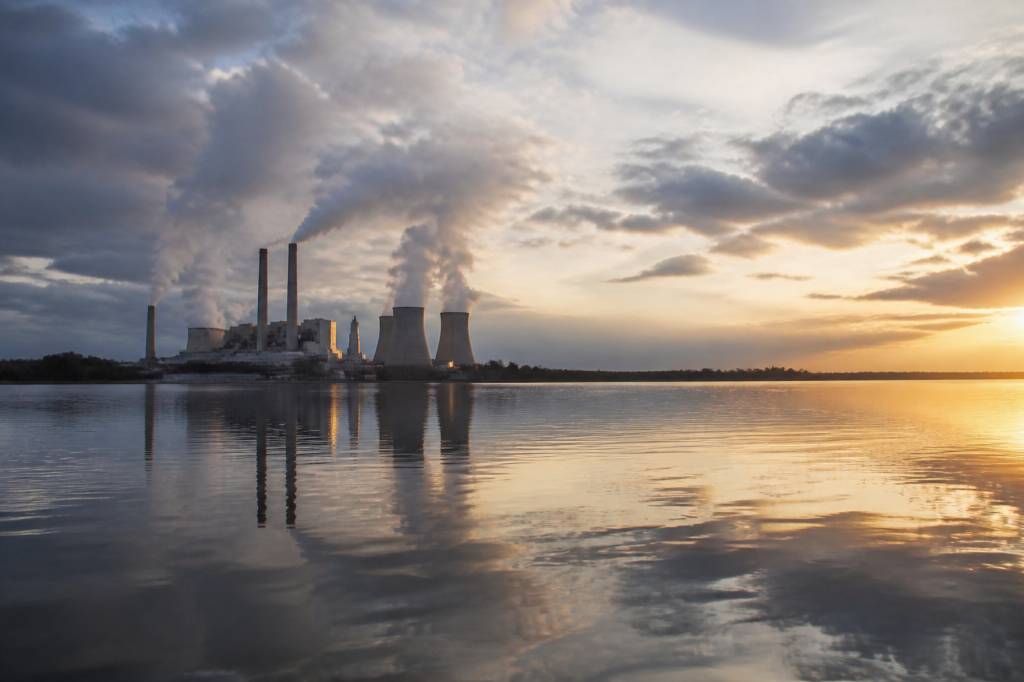
Why carbon dioxide matters for water quality
Carbon dioxide is usually discussed as a climate problem, and rightly so. It is the most abundant long-lived greenhouse gas released by human activity, and its concentration in the atmosphere continues to rise. But CO2 does not only warm the air. It also changes the chemistry of rivers, lakes, reservoirs, and oceans in ways that can affect drinking water sources, aquatic life, and the performance of water treatment systems.
That connection is easy to miss. After all, carbon dioxide is invisible, odorless, and often framed as a “global” issue rather than a local water issue. Yet the water cycle links everything together. What happens in the atmosphere influences what happens in surface water, groundwater recharge, and even the chemistry of treated water leaving a plant. When greenhouse gas emissions increase, water quality often feels the effects sooner than people expect.
What happens when carbon dioxide enters water?
When CO2 dissolves in water, it forms carbonic acid. That sounds dramatic, but the chemistry is straightforward: more dissolved CO2 usually means lower pH. In practical terms, water becomes more acidic. This process is well documented in the oceans, where rising atmospheric CO2 has already driven measurable acidification. It also happens in freshwater systems, though the effects are often more variable because lakes, rivers, and aquifers differ in buffering capacity.
Why does pH matter so much? Because many aquatic processes are pH-sensitive. A small shift can change how metals behave, how nutrients cycle, and how organisms absorb minerals. In water treatment, pH influences corrosion, disinfection efficiency, and the stability of treatment chemicals. In other words, a bit more dissolved CO2 can create a domino effect that reaches far beyond simple acidity.
The science behind acidification in freshwater and coastal systems
Most people have heard about ocean acidification, but freshwater systems are also vulnerable. In rivers and lakes, CO2 levels are affected by a mix of atmospheric exchange, runoff from soils, decomposition of organic matter, and biological activity. During periods of heavy rainfall or warming temperatures, organic material breaks down faster, releasing more CO2 into water. In nutrient-rich lakes, algal blooms and their subsequent decay can also drive large swings in dissolved carbon levels.
Coastal waters sit at the intersection of freshwater and marine chemistry, which makes them especially sensitive. Runoff from land can deliver both nutrients and carbon-rich organic matter, while warmer temperatures reduce the solubility of oxygen and alter the balance of gases in water. For communities that rely on estuaries or coastal aquifers, these changes are not academic. They can influence shellfish health, coral resilience, and the quality of source water used for drinking supplies.
A useful way to think about it is this: CO2 does not only change the “temperature” of the climate system, it also changes the “settings” of the water system. And once those settings shift, many other parameters move with them.
How carbon dioxide can affect drinking water sources
Drinking water utilities rarely monitor CO2 directly as a headline parameter, but its influence shows up in the indicators they do measure. Lower pH can increase the corrosion of pipes and fixtures, which may release metals such as lead or copper into tap water. This is not hypothetical. Corrosion control is a major part of water treatment because untreated acidic water can damage infrastructure and undermine public confidence in the supply.
There is also an indirect effect through groundwater. In soils, carbon dioxide from root respiration and microbial activity naturally dissolves into infiltrating rainwater, making it slightly acidic and helping it weather rocks. Under normal conditions that is part of a healthy geochemical cycle. But when land use changes, temperatures rise, and heavy rainfall becomes more common, the balance can shift. Acidic runoff can mobilize metals and alter the movement of contaminants through soil and aquifers.
For utilities already dealing with emerging contaminants such as PFAS, this matters. Water chemistry is never isolated. If source water becomes more corrosive or more chemically complex, treatment systems may need to work harder to maintain stable performance. The challenge is not that CO2 itself becomes a primary pollutant in the same way as PFAS, but that it changes the conditions under which other pollutants behave.
Effects on aquatic ecosystems and the food chain
Water quality is not only about human consumption. It is also about the health of ecosystems that support fisheries, biodiversity, and natural water purification. Many aquatic species are finely tuned to their chemical environment. When pH drops, shell-forming organisms such as mussels, snails, and some plankton species struggle to build and maintain calcium carbonate structures. That can ripple upward through the food chain.
Fish are affected too. Acidification can alter reproduction, behavior, and survival rates, especially when combined with other stressors like warming water, low oxygen, or pollution. And those stressors rarely occur alone. A lake with elevated CO2 may also experience algal blooms, lower dissolved oxygen, and increased release of phosphorus from sediments. The result is often a more unstable ecosystem and poorer water clarity.
Here is the practical takeaway: a greenhouse gas in the atmosphere can end up influencing fish habitat, taste and odor problems in reservoirs, and the cost of treating water. That is a surprisingly direct line from climate emissions to local water management.
Why warming makes the problem worse
Carbon dioxide is both a chemical and a climate driver. As temperatures rise, water quality is affected in several additional ways. Warm water holds less dissolved oxygen, which stresses aquatic life and can intensify the effects of acidification. Higher temperatures also speed up microbial activity, increasing decomposition and the release of carbon dioxide from organic matter. In some systems, this creates a feedback loop: more warming leads to more CO2 release from water bodies, which can further destabilize local chemistry.
Storm intensity matters too. Heavier rainfall can wash more organic material, nutrients, and pollutants into rivers and reservoirs. This increases the amount of carbon entering the system and often raises treatment complexity. At the same time, drought can concentrate pollutants and reduce river flow, leaving less dilution and less capacity for natural self-cleaning.
The key point is that climate-driven changes rarely come one at a time. Rising CO2, warming, changing precipitation patterns, and land use pressures combine to affect water quality in ways that are often cumulative rather than isolated.
What this means for water treatment
Water treatment plants are built to manage variability, but climate change is increasing the pressure on that system. If source water becomes more acidic, operators may need to adjust coagulation, corrosion control, or disinfection strategies. If dissolved organic carbon rises, treatment processes may need to work harder to remove precursors that can form disinfection by-products. If turbidity increases after extreme weather, filtration systems may face greater loading.
For households, the effects are less visible but still important. Corrosive water can shorten the lifespan of plumbing and appliances. Taste and odor issues may become more common after algal blooms or storm runoff events. And in some areas, maintaining safe water quality may require more advanced treatment technologies than in the past.
This is where the bigger environmental picture matters. Protecting water quality is not just about treating water after it arrives at a plant. It is also about reducing the drivers of source water degradation, including greenhouse gas emissions, land-based pollution, and ecosystem disruption.
Can reducing greenhouse gas emissions improve water quality?
Yes, though not overnight and not by itself. Reducing CO2 emissions helps slow climate change, which in turn reduces the pace of warming and acidification in aquatic systems. That gives ecosystems and infrastructure more time to adapt. It also lowers the likelihood of extreme events that disrupt water supplies, such as prolonged droughts, flooding, and harmful algal blooms.
There are also co-benefits. Cleaner energy can reduce air pollution that settles into watersheds. Better land management can increase carbon storage in soils while reducing runoff. Protecting wetlands can capture carbon, buffer floods, and filter pollutants at the same time. These are the kinds of solutions that pay back in multiple ways, which is rare enough in environmental policy to deserve attention.
Of course, emission reduction is a long-term measure. Water utilities still need immediate strategies to protect water quality today. That includes robust monitoring, corrosion control, watershed management, and investment in treatment systems that can respond to changing chemistry.
What water managers and communities should watch
For utilities, local authorities, and concerned residents, several indicators can signal that CO2-related changes are affecting water quality:
- Falling pH in lakes, reservoirs, or finished water
- Increased corrosion complaints from customers
- More frequent algal blooms or taste-and-odor events
- Shifts in dissolved oxygen levels, especially during warm periods
- Higher metal concentrations in source water or household taps
- Greater treatment demand after storms or droughts
Monitoring these variables does not solve the problem on its own, but it helps identify patterns early. In water management, early detection is often the difference between a manageable adjustment and an expensive crisis.
Where this intersects with broader contaminant concerns
Climate change and chemical pollution are often treated as separate policy conversations, but in the real world they overlap. Changing water chemistry can affect the mobility, persistence, and treatment behavior of contaminants. That includes legacy pollutants, metals, nutrients, and emerging contaminants such as PFAS. If a source water system becomes more acidic or more variable, treatment barriers may need to be reassessed.
For readers focused on water safety, this is an important reminder: the quality of drinking water depends not only on what is present in the water, but also on the conditions that govern how pollutants move and how effectively they can be removed. Carbon dioxide may not be the only driver, but it is part of the environmental background that shapes every other challenge.
Why this issue deserves more attention
Carbon dioxide is often described as a “global average” problem, yet water quality is local. It is measured in a specific river, a specific aquifer, a specific treatment plant, and a specific home. That is exactly why the relationship between greenhouse gases and water chemistry matters. Small atmospheric changes can translate into practical problems for utilities and communities.
If you care about safe drinking water, healthy ecosystems, and resilient infrastructure, CO2 should be on your radar. Not because it replaces more immediate contaminants, but because it changes the conditions under which those contaminants behave. Water quality is a systems issue, and carbon dioxide is part of the system.
That may sound like a big-picture message, but it lands in very concrete places: a corroded pipe, a stressed lake, a harder-to-treat reservoir, a fish kill after a heatwave. Climate chemistry is not abstract when it shows up in your tap or your local river.
What can be done now?
There is no single fix, but several actions can reduce risk and improve resilience:
- Cut greenhouse gas emissions to slow warming and acidification
- Protect and restore wetlands, which buffer water quality and store carbon
- Reduce nutrient runoff to limit algal blooms and oxygen depletion
- Strengthen corrosion control in drinking water systems
- Expand monitoring of pH, dissolved oxygen, alkalinity, and source water carbon
- Invest in treatment infrastructure that can handle changing raw water quality
These measures are not just environmentally sensible. They are cost-effective risk management. In water policy, prevention is usually far cheaper than repair, especially when infrastructure, public health, and ecosystem services are all involved.
Carbon dioxide may be a greenhouse gas first and a water quality concern second, but the order of impact is increasingly blurred. As climate change reshapes the chemistry of rivers, lakes, groundwater, and coastal waters, water managers will need to think beyond traditional pollutant lists. The atmosphere and the water supply are no longer separate conversations. They are the same conversation, just viewed from different ends of the pipe.