


What a boil water advisory actually means
A boil water advisory is a public health notice telling residents that tap water may not be safe to drink, cook with, or use in certain ways until further notice. It usually means water systems or local authorities have detected, or strongly suspect, a risk of contamination that could carry harmful microorganisms such as bacteria, viruses, or parasites.
In plain English: something has happened that may have compromised the safety of the water supply, and boiling is the fastest short-term step to reduce the risk from microbes. It does not mean the water is definitely dangerous in every household, but it does mean you should take the notice seriously.
These advisories are common after heavy rainfall, flooding, water main breaks, power outages, treatment failures, or low pressure in the distribution system. The issue is often not the tap itself, but the systems that keep water clean from source to sink. When those systems are disrupted, contamination can enter the network more easily.
Why boiling helps, and what it does not fix
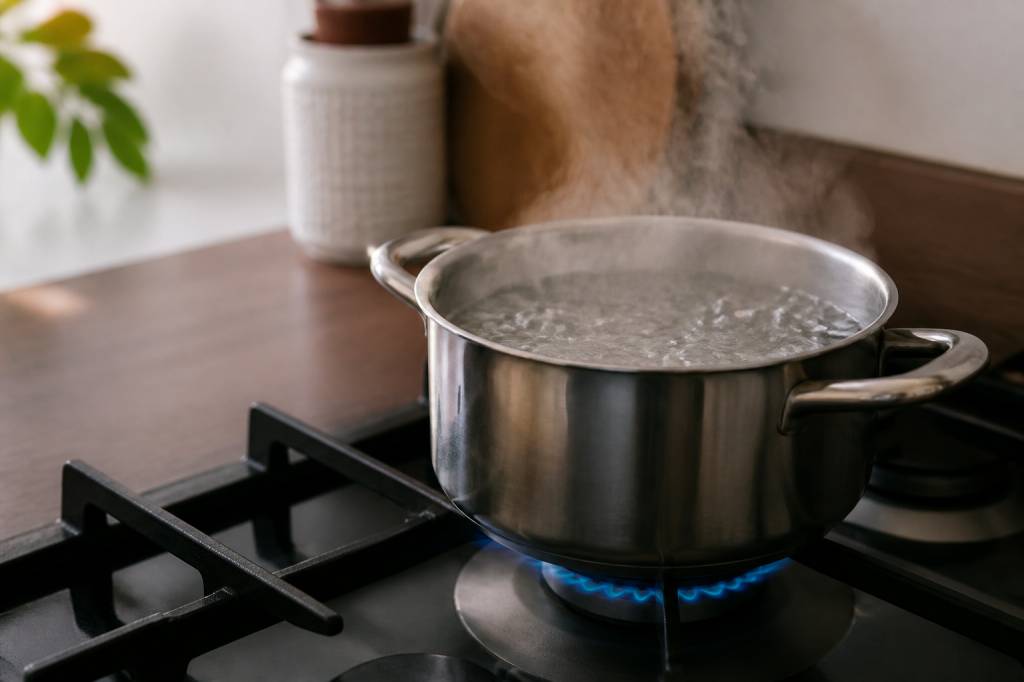
Boiling water for at least one minute is a proven way to kill most disease-causing microorganisms. At higher elevations, some public health agencies recommend boiling for three minutes because water boils at a lower temperature. That’s the basic science behind the advisory: heat inactivates many pathogens that can cause gastrointestinal illness.
But boiling is not a magic reset button for all contamination. It does not remove chemical pollutants such as PFAS, lead, nitrates, pesticides, or industrial solvents. In some cases, boiling can actually make certain contaminants more concentrated because some water evaporates while the dissolved substances remain behind.
That distinction matters. If the advisory is related to microbial contamination, boiling is the right immediate response. If the concern is chemical contamination, the advice may be very different. This is why reading the exact notice, rather than relying on a vague social media post or a neighbour’s summary, is so important.
What health risks are linked to contaminated tap water
Microbial contamination can lead to stomach cramps, diarrhoea, nausea, vomiting, fever, and dehydration. For most healthy adults, these illnesses are unpleasant but manageable. For infants, older adults, pregnant people, and anyone with a weakened immune system, the risks can be more serious.
Some pathogens are also more concerning than others. E. coli, Cryptosporidium, Giardia, norovirus, and certain other organisms can spread through contaminated water and cause significant illness. Water systems are designed to prevent these events, but failures do happen, especially when infrastructure is under stress.
If your household uses well water, the advisory may be even more relevant. Private wells are not connected to municipal treatment systems, so contamination risks can vary widely after storms, flooding, or nearby construction. Many private well owners only test their water after something goes wrong, which is a bit like checking your smoke alarm by waiting for the fire.
How to use water safely during an advisory
When a boil water advisory is in place, safe water use is broader than just “don’t drink from the tap.” It also affects cooking, brushing teeth, making ice, and in some cases washing food or feeding pets. The exact guidance depends on the notice, but the safest approach is to assume any water that could be ingested should be boiled or replaced with bottled water.
In general, you should:
- Boil tap water for at least one minute before drinking, cooking, or making beverages.
- Let boiled water cool before using it.
- Use boiled or bottled water to brush teeth.
- Use boiled or bottled water for baby formula.
- Discard ice made during the advisory unless you are told it is safe to keep using it.
- Wash fruits and vegetables with boiled or bottled water if they will be eaten raw.
- Give pets safe water too, especially if they are small, sick, or sensitive.
One point people sometimes miss: if you are cooking pasta, soup, or rice, simply bringing the food to a boil is usually enough because the water itself reaches a rolling boil. That said, if the advisory instructions say otherwise, follow those directions first. Public notices are more useful than kitchen improvisation.
What about showering, bathing, and washing dishes
For most boil water advisories, showering and bathing are usually considered lower risk than drinking the water, because the main concern is swallowing contaminated water. Still, for infants or people who tend to swallow bathwater, extra caution is wise. If the notice includes specific restrictions for bathing, follow them closely.
Washing dishes can be more complicated. Hot water and soap help remove dirt and many germs, but they do not always guarantee disinfection. If you have a dishwasher with a sanitizing cycle, that may offer added protection, but during an advisory, many health agencies recommend either using boiled water for final rinsing or washing by hand with safe water if the guidance says so.
Laundry is usually not a major concern, and most people can continue washing clothes as normal. Hands, however, are worth mentioning. Good handwashing with soap and safe water remains one of the most effective ways to prevent illness, especially when a water advisory is active.
How a boil water advisory affects your home plumbing and appliances
Most boil water advisories do not damage plumbing directly, but they can expose weaknesses in household water use systems. Any appliance that draws in untreated water can become part of the problem if it is used carelessly during the advisory. Coffee makers, refrigerator ice machines, humidifiers, and certain water dispensers are common examples.
If you use a refrigerator with an automatic ice maker or water dispenser, stop using it until the advisory lifts. Empty any ice produced during the notice. If the system has a built-in filter, do not assume it makes the water safe for drinking during a microbial advisory unless the manufacturer or local authority specifically says so.
Water softeners and under-sink filtration systems also deserve attention. Some filters are designed to improve taste or reduce chlorine, not to remove pathogens. Others may provide limited protection, but they need proper certification and maintenance. During an advisory, the safest rule is simple: do not assume a standard filter is enough unless it is explicitly rated for microbial removal.
Should you keep using your tap water for cleaning?
Yes, in many cases you can still use tap water for cleaning surfaces, flushing toilets, and general household cleaning. These uses do not usually involve ingestion, so the risk is much lower. That said, if you are cleaning items that go straight into the mouth, such as baby bottles, pacifiers, or kitchen utensils, those should be washed with safe water unless the advisory states otherwise.
If you are caring for an infant, an elderly relative, or someone with a medical vulnerability, it is worth being extra careful. A missed step like rinsing a pacifier under unsafe water may seem small, but in a household where vulnerability is already elevated, small mistakes can matter.
Why boil water advisories happen more often than people think
Modern water systems are generally safe, but they are also complex. A single event can create a chain reaction. A water main break may reduce pressure in the pipes, which can allow contaminants to enter. Heavy storms can overwhelm treatment systems. Power failures can stop pumps or treatment processes. Even routine maintenance can trigger an advisory if the risk of contamination cannot be ruled out quickly.
Climate change is making some of these events more frequent. Intense rainfall, flooding, and heat-related infrastructure stress can all affect drinking water safety. Communities with aging pipes and underfunded treatment systems are especially vulnerable. In other words, a boil water advisory is not just a temporary inconvenience; it can be a sign of broader infrastructure risk.
This is also why water safety communication matters. When residents understand what the advisory means, they are more likely to respond properly instead of guessing. And guessing is not a great public health strategy.
How long advisories usually last
The length of a boil water advisory depends on the cause and how quickly the water system can verify that safety has been restored. Some advisories last a few hours. Others last several days. In more complex situations, especially after major flooding or infrastructure damage, they may continue longer.
Authorities usually lift the notice only after testing confirms the water meets safety standards again. That can require multiple samples over time. It is tempting to assume that “the water looks fine now” means it is safe, but appearance tells you almost nothing. Clear water can still carry harmful microbes.
When the advisory is lifted, local authorities typically issue an all-clear notice. Do not stop boiling water based on rumours or a neighbour’s text. Wait for the official update.
What to do when the advisory ends
Once the boil water notice is lifted, your home may still need a little reset. Run cold water taps for several minutes to flush the plumbing. Then flush hot water taps as well, if advised by your utility or local authority. This helps clear out any stagnant water that sat in the pipes during the event.
You may also need to:
- Discard ice made during the advisory.
- Flush refrigerator water lines or replace filters if recommended by the manufacturer.
- Run coffee makers and other small appliances with clean water.
- Sanitise baby bottles, food contact surfaces, and drinking containers.
- Check with your local utility before using home filtration systems again.
If you use a private well, this is a good moment to test the water if flooding, runoff, or well damage may have occurred. A well may look normal after the event, but the microbial profile can still be off. Testing is the only way to know.
Where PFAS fit into the bigger water safety picture
Boil water advisories are usually about microbes, not PFAS. Still, the two issues sit under the same broader question: how safe is our drinking water, really? PFAS are persistent chemicals that do not break down easily in the environment and are not removed by boiling. If a community is already dealing with a boil notice, it may also be dealing with other water quality issues that are less visible but equally important.
This is where treatment technology matters. Activated carbon, ion exchange, and reverse osmosis are among the methods used to reduce certain chemical contaminants, including some PFAS compounds. But the right solution depends on the contaminant, the concentration, and the system design. A boil notice is a reminder that water safety is multi-layered: microbes, chemicals, plumbing, source water, and infrastructure all play a role.
For households in areas affected by PFAS, it is worth asking a second question after any water alert: what else is in the water, and how is it being treated? That question is not alarmist. It is practical.
When to contact your water utility or health authority
If the advisory notice is unclear, incomplete, or conflicts with what you are hearing elsewhere, contact your local water utility or public health department directly. That is especially important if someone in your home is medically vulnerable, you rely on well water, or you manage a childcare setting, school, healthcare facility, or food business.
You should also ask for clarification if the advisory mentions special instructions for:
- Baby formula preparation
- Medical equipment that uses water
- Commercial kitchens or food service
- Dialysis or other healthcare needs
- Private wells or cisterns
Businesses and public institutions often need more detailed guidance than households. A café that serves coffee made with unsafe water, for example, has a different risk profile than a home that simply uses tap water to rinse vegetables.
A simple habit that makes a big difference
The most useful thing you can do during a boil water advisory is stay informed. Read the full notice, not just the headline. Keep a small supply of bottled water or container water at home if you live in an area where advisories are more common. Know whether your tap water depends on a municipal system or a private well. And keep a basic emergency plan for drinking water, because water disruptions rarely send a calendar invite first.
Boil water advisories can be stressful, but they are also a sign that the system is flagging a risk rather than ignoring it. That is a good thing. The key is knowing what the advisory means, what it does not mean, and how to protect your health and your home while it is in place.