


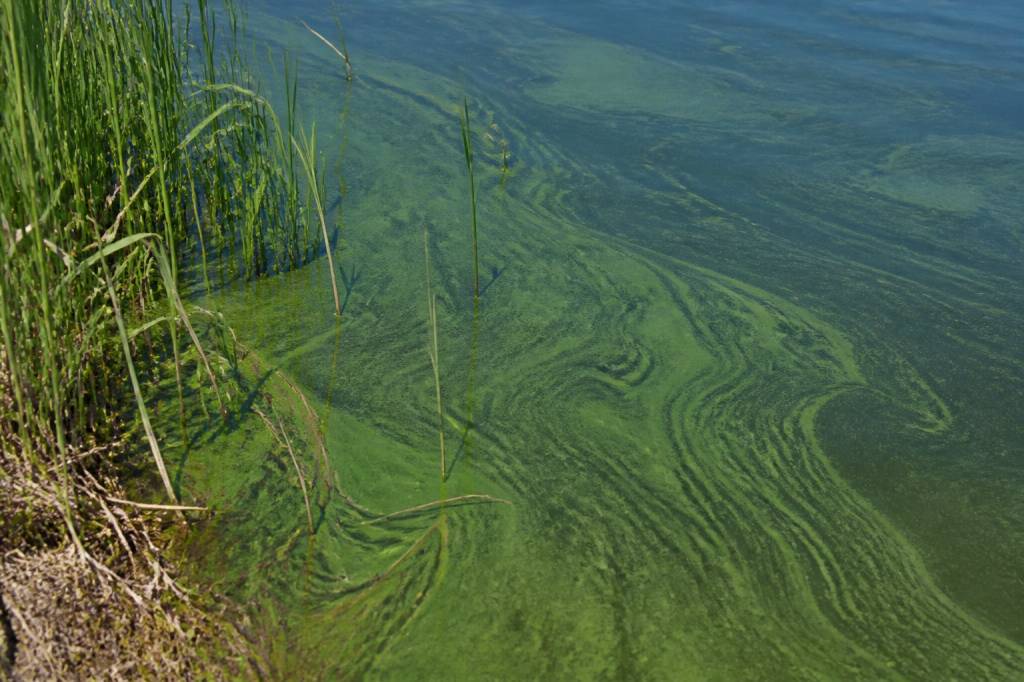
Blue algae in water can turn a calm lake, reservoir, or garden pond into something far less reassuring. The water may look cloudy, greenish-blue, or streaked with scum. In some cases, it can even smell earthy, musty, or like rotting plants. That visual change is not just an aesthetic issue: it can signal the presence of cyanobacteria, often called blue-green algae, and the toxins they may produce.
For households, farmers, pet owners, and anyone using surface water, understanding blue algae matters. Why? Because exposure can affect skin, digestion, and in more severe cases, the liver and nervous system. And while filtration can help in certain situations, not every filter is designed to handle algae-related contaminants. Choosing the wrong one is a bit like using a tea strainer to catch sand.
What is blue algae, exactly?
Despite the name, blue algae are not true algae. They are cyanobacteria, a group of photosynthetic bacteria that live in fresh water, salt water, and even damp soil. Under the right conditions, they can multiply quickly and form blooms. These blooms are often visible as thick mats, surface scum, or discoloured water.
Some cyanobacterial species can produce toxins called cyanotoxins. These toxins are the main reason blue algae can become a health concern. Not every bloom is toxic, but there is no reliable way to tell by appearance alone whether a bloom is safe. That uncertainty is why public health agencies usually recommend avoiding contact whenever a bloom is present.
The term “blue algae water” is commonly used by the public, but “cyanobacterial bloom” is the more accurate scientific term. Still, if you see blue-green scum on water, you are dealing with the same basic problem: a potential contamination event that deserves caution.
Why do blue algae blooms happen?
Blooms tend to occur when environmental conditions favour rapid cyanobacterial growth. The most common drivers include:
- warm temperatures
- still or slow-moving water
- high nutrient levels, especially phosphorus and nitrogen
- strong sunlight
- low water flow after heavy rainfall or drought
In practical terms, this means blooms often appear during summer or early autumn, particularly in lakes, reservoirs, ponds, and other nutrient-rich waters. Agricultural runoff, untreated wastewater, septic leaks, and urban stormwater can all increase the nutrient load in a water body. Once nutrients build up, cyanobacteria have a head start.
Climate conditions also matter. Longer warm seasons and more frequent heatwaves can extend bloom periods. In some regions, blooms are becoming more common, more intense, and harder to predict. If water looks fine one week and turns opaque the next, that is unfortunately not unusual.
One important point: blooms are not always limited to outdoor recreational waters. They can also affect raw water sources used for drinking water treatment, which creates challenges for utilities and private water users alike.
What health risks do blue algae pose?
The health risks depend on the type of cyanobacteria present, the toxins they produce, the concentration of toxins, and how exposure occurs. Exposure can happen through swallowing contaminated water, breathing in aerosols, skin contact, or consuming contaminated fish or shellfish.
Common symptoms of exposure can include:
- skin irritation or rashes
- eye irritation
- nausea and vomiting
- diarrhoea
- headache
- fever or flu-like symptoms
More serious effects are linked to specific cyanotoxins. Microcystins, for example, can damage the liver. Anatoxin-a affects the nervous system and can act very quickly. Cylindrospermopsin may affect the liver and kidneys. These are not everyday irritants; they are biologically active toxins, and exposure should be taken seriously.
Children and pets are often at higher risk because they are more likely to play in or drink from untreated water. Dogs are particularly vulnerable. A dog running through a bloom and licking its fur can ingest enough toxin to become seriously ill, and in severe cases, exposure can be fatal. If you have ever seen a dog enthusiastically dive into murky water, you know exactly why this matters.
People with weakened immune systems, older adults, and anyone with liver or kidney conditions may also be more vulnerable to adverse effects. Even if symptoms are mild, repeated exposure is not something to ignore.
How can you recognise blue algae water?
Blue algae blooms can look different depending on the species and the environment. Warning signs often include:
- green, blue-green, or turquoise scum on the surface
- pea-soup or paint-like water
- floating clumps or streaks
- surface mats that look like spilled paint
- unusual odours, often earthy or musty
But appearance can be misleading. A bloom may not always look dramatic, and toxins can remain in the water even after the visible scum has dispersed. In other words, clear water is not always safe water. That is one reason routine monitoring and testing are so important.
If a local authority or water utility issues a bloom warning, take it seriously. Restrictions may include no swimming, no fishing, no watering animals, and no use of untreated water for drinking or cooking. These warnings are not bureaucratic overkill; they are meant to prevent real exposures.
Can boiling water remove blue algae toxins?
No. Boiling water is not a reliable way to remove cyanotoxins. In some cases, heating can even worsen the problem by concentrating toxins as water evaporates. This is a common misconception and an important one to correct.
Boiling can kill bacteria and viruses, but cyanotoxins are chemical compounds, not living organisms. Once they are in the water, heat alone is not the solution. If your source water is affected by a bloom, you need a treatment method specifically capable of reducing the relevant toxins and particles.
What water filtration solutions can help?
The best filtration approach depends on whether you are treating drinking water, bathing water, or water for a larger property or business. Not all filters address the same contaminants. For blue algae, the key challenge is that you may need to remove both cyanobacterial cells and dissolved toxins.
Here are the main filtration and treatment options used in practice:
- Activated carbon can adsorb certain cyanotoxins, particularly microcystins, when the system is properly designed and maintained.
- Reverse osmosis (RO) can reduce many dissolved contaminants, including some cyanotoxins, provided the system is functioning correctly.
- Ultrafiltration can remove cyanobacterial cells and larger particles, helping prevent cell rupture and toxin release.
- Membrane filtration systems may be used in larger treatment setups to physically separate contaminants from water.
- Advanced oxidation and other municipal-scale treatments can break down certain toxins under controlled conditions.
For homes, point-of-use systems are often the most practical solution. A well-specified reverse osmosis unit, sometimes combined with activated carbon, is commonly used for drinking water protection. However, the system must be matched to the contamination risk and maintained according to the manufacturer’s schedule. A neglected cartridge is not a filter; it is just a plastic container with aspirations.
If you rely on private well water, note that cyanobacterial blooms usually affect surface water rather than groundwater. But surface contamination can still matter if a well is shallow, poorly protected, or connected to contaminated surface runoff. In such cases, testing is essential before selecting a system.
What filtration will not do
It is equally important to understand the limits of water filtration. A standard pitcher filter may improve taste or reduce chlorine, but it is unlikely to provide dependable protection against blue algae toxins unless the product is specifically certified for that purpose.
Likewise, sediment filters alone are not enough. They can trap larger particles and debris, but dissolved toxins may pass through. Even systems that remove cyanobacterial cells can fail to address toxins already released into the water. That is why source assessment matters just as much as filter selection.
If you are using water from a potentially affected source, the safest approach is to combine:
- source monitoring
- appropriate testing
- an effective treatment system
- regular maintenance and cartridge replacement
How do water utilities manage blue algae?
Public water suppliers typically use a multi-barrier strategy. This may include source water monitoring, coagulation and filtration, activated carbon, careful oxidation control, and toxin testing. Utilities also pay close attention to operational changes when bloom risk rises, because aggressive treatment can sometimes rupture cyanobacterial cells and release more toxins if not managed properly.
In England and across the UK, bloom management often involves collaboration between environmental agencies, local authorities, and water companies. Monitoring data can trigger public warnings and treatment adjustments. For consumers, this is a reminder that safe drinking water depends on both natural conditions and treatment performance.
What should households do during a bloom?
If a bloom is reported in your local water body or raw water source, take sensible precautions:
- Do not swim, boat, or wade in affected water.
- Keep children and pets away from the water.
- Do not drink untreated surface water.
- Follow local advice on fishing, cooking, and irrigation.
- Use a treatment system proven to handle cyanotoxins if your supply is at risk.
If you suspect your tap water may be affected, contact your water supplier immediately. For private supplies, testing is the first step. Until you know what is in the water, it is better to err on the side of caution.
How can you reduce the risk over the long term?
Blue algae blooms are not just a water treatment issue; they are also a land management issue. Reducing nutrient pollution is one of the most effective long-term strategies. That means better control of fertiliser runoff, improved wastewater infrastructure, healthier riparian buffers, and smarter stormwater management.
At the household level, the most practical steps are to maintain septic systems, avoid overusing fertilisers, and stay informed about local water quality alerts. If you rely on a vulnerable water source, invest in a treatment system that is designed for the specific contaminants of concern rather than assuming all filters are equal.
Water quality is one of those things people tend to notice only when it goes wrong. Blue algae blooms are a good reminder that clean-looking water is not always clean water. The science is clear: early awareness, proper testing, and the right filtration can make a significant difference.
And if your water smells like a swamp after a heatwave, that is your cue to investigate, not your cue to pour yourself a glass and hope for the best.