


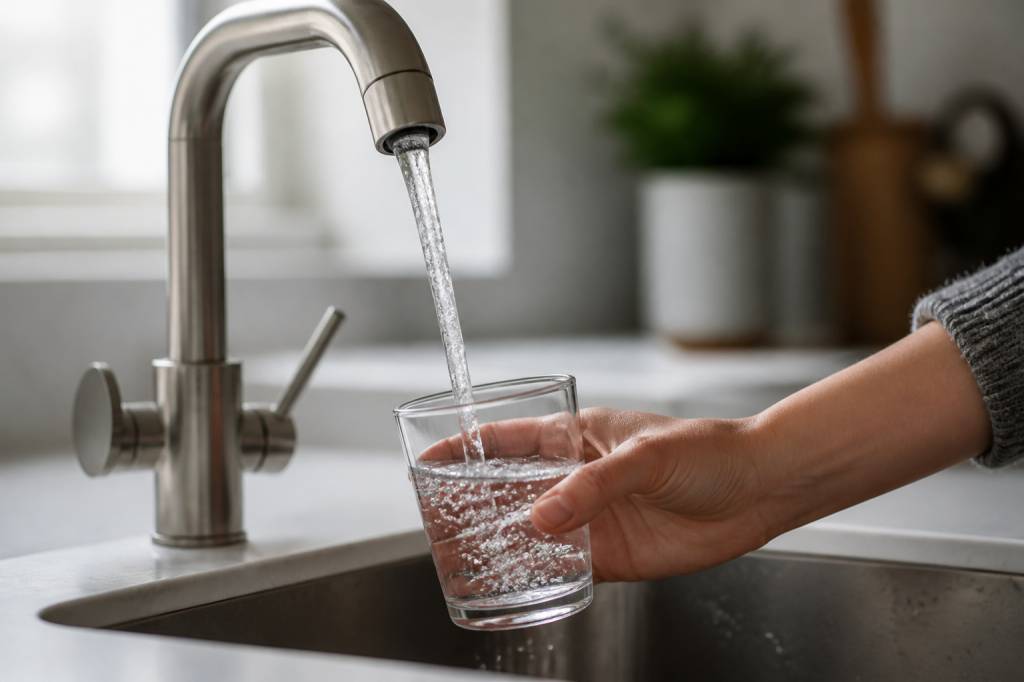
Most people in the UK turn on the tap and assume the water is safe. In most cases, that assumption is reasonable. Public drinking water is tightly regulated, routinely monitored, and treated before it reaches homes. But “usually safe” is not the same as “always free from risk.” Bacteria can still show up in tap water under certain conditions, especially in homes with older plumbing, private supplies, or after disruptions in the network.
If you are a homeowner, it helps to understand where bacterial contamination can come from, what the actual risks are, and what practical steps reduce them. The good news is that serious problems are relatively uncommon. The less good news? When they do happen, they often start in places many people never check: the loft tank, a neglected shower head, or pipework that has been sitting unused for weeks.
Is tap water in the UK normally safe?
Yes, for the vast majority of homes connected to mains water, tap water in the UK is safe to drink. Water companies must meet strict standards set by the Drinking Water Inspectorate in England and Wales, with similar regulators in Scotland and Northern Ireland. Water is treated, monitored, and tested regularly for microbial contamination, including bacteria such as E. coli and coliforms, which can signal faecal contamination or failures in treatment and distribution.
That said, the safety of water at the treatment plant is not the whole story. Water can pick up contaminants while travelling through miles of pipes, storage tanks, and in-home plumbing. In other words, the water that leaves a treatment works in good condition can arrive at a kitchen tap in worse shape if something goes wrong along the way.
So the real question for homeowners is not simply “Is UK tap water safe?” but “What conditions can make it unsafe in my home?”
What bacteria can turn up in tap water?
Not every bacterium in water is harmful, but certain types matter because they can cause illness or indicate that contamination has occurred. The main names homeowners tend to hear about include:
- E. coli – a key indicator of faecal contamination. Some strains can cause severe stomach illness.
- Coliform bacteria – not always harmful themselves, but their presence suggests possible contamination or a treatment failure.
- Legionella – more likely to grow in warm water systems, tanks, and neglected plumbing than in cold mains water. It can cause Legionnaires’ disease when inhaled in aerosol form, such as from showers.
- Pseudomonas – can be found in biofilms inside plumbing and may be a concern for vulnerable people.
- Campylobacter, Salmonella, and Enterococcus – less common in properly managed mains water, but relevant if contamination enters the supply.
A useful way to think about this is that bacteria in tap water usually fall into two categories: contamination indicators, and actual pathogens. Either one deserves attention, but indicator organisms are often the first warning sign that something is wrong.
How does bacteria get into tap water?
In the UK, bacterial contamination usually does not begin with the treatment works. It is more likely to happen in the distribution system or inside the property itself. Common routes include:
- Broken or damaged mains pipes, which can allow contaminated groundwater to enter the supply.
- Low pressure or supply interruptions, especially if negative pressure draws contaminants into cracks or joints.
- Private water supplies such as wells, boreholes, and springs, which are often less heavily regulated than mains water and can be more vulnerable to contamination.
- Loft or cold-water storage tanks that are poorly sealed, contaminated, or rarely cleaned.
- Dead legs and stagnant pipework, where water sits for long periods and bacteria can multiply.
- Warm plumbing, which is ideal for organisms like Legionella.
- Biofilms inside pipes and fittings, where bacteria attach to surfaces and become harder to remove.
Stagnation is a particularly common issue in homes that are empty for long periods. If a property has been vacant, renovated, or only lightly used, the first water out of the tap may not be the best example of what the system can deliver. Water likes movement; bacteria like a quiet corner to settle in.
Which homes are more at risk?
Any home can experience a water quality issue, but some are more vulnerable than others. Homeowners should be especially alert if their property has:
- an older plumbing system
- a loft storage tank
- a private well or borehole
- recent plumbing work or repairs
- a history of low water pressure
- long periods of vacancy
- mixed-use plumbing with showers, hot tubs, or outdoor taps
- residents who are elderly, immunocompromised, or very young
Older properties deserve particular attention. Victorian and mid-century homes often have pipework that has been altered several times over the decades. Each change can create odd corners in the system where water stagnates. That is not a dramatic problem by default, but it is exactly the kind of setup where hygiene issues can hide in plain sight.
What are the signs of bacterial contamination?
Bacteria in water do not always announce themselves. In many cases, water can look clear and still be unsafe. Still, certain signs should prompt further investigation:
- cloudy, discoloured, or sediment-filled water
- unusual odours, such as musty, earthy, or sewage-like smells
- strange tastes, especially metallic, bitter, or sour notes
- slime or biofilm in taps, cisterns, or shower fittings
- visible debris in aerators or filters
- recurring stomach illness in the household with no clear cause
- a recent boil water notice or plumbing disruption
It is important not to over-interpret taste alone. Water can taste odd because of chlorine, pipe materials, temperature, or air in the system. But if there is a change in appearance or smell, especially after a supply interruption, it is worth taking seriously.
What health risks are linked to bacteria in tap water?
The risk depends on the type of bacteria, the amount present, and who is exposed. Healthy adults may experience mild stomach upset from short-term exposure, while vulnerable people can face more serious illness.
Symptoms from contaminated drinking water can include:
- diarrhoea
- vomiting
- stomach cramps
- fever
- nausea
- headache
- fatigue
Legionella deserves a separate note because it behaves differently. It is not usually a drinking-water hazard in the same way as E. coli. The main risk comes from inhaling contaminated water droplets from showers, taps, or aerosols. That is why warm water systems, hot tubs, and showerheads need proper maintenance.
People with weakened immune systems, older adults, babies, and anyone with long-term health conditions are more likely to be affected by waterborne bacteria. That does not mean every household needs to panic. It does mean prevention matters, especially where vulnerable residents are involved.
What should homeowners do if they suspect a problem?
If you think bacteria may be affecting your tap water, act quickly but calmly. The first step is to stop using the water for drinking or cooking until you know more, especially if there is an official notice or a clear change in water quality.
- Check for local alerts from your water supplier or local authority.
- Use bottled water or boil water if advised to do so.
- Run taps only if instructed by your supplier after an outage or repair.
- Clean and inspect aerators on taps, which can trap debris and biofilm.
- Flush unused outlets after long absences by running cold water until it runs fresh and cool.
- Inspect storage tanks for signs of damage, debris, or poor sealing.
- Arrange a water test if the issue persists or if you rely on a private supply.
If anyone in the household has already fallen ill and you suspect water contamination, contact a healthcare professional, especially if symptoms are severe or persistent. It is also sensible to keep samples, notes, and any supplier notices, since these can help identify the source.
Should you test your tap water?
Testing is not necessary for every home, but it is a smart move in certain situations. Consider testing if you have a private water supply, a history of plumbing issues, unexplained odours or taste changes, or residents who are medically vulnerable.
For mains-connected homes, testing can still be useful after flooding, major pipe repairs, long vacancy, or repeated boil water notices. A proper test can look for indicator organisms such as coliforms and E. coli, and in some cases for Legionella if hot water systems are a concern.
One important point: not all test kits are equal. Some provide only a rough screening result, while laboratory analysis gives a more reliable picture. If the issue matters for health or compliance, lab testing is the better option.
Can filters remove bacteria from tap water?
Some filtration systems can reduce bacterial contamination, but not all are designed for that purpose. This is where many homeowners make a costly assumption: a jug filter or basic carbon filter improves taste, so it must be removing germs too. Unfortunately, that is not how most of them work.
To reduce bacteria, homeowners generally need a system specifically rated for microbiological protection. Options may include:
- Ultraviolet (UV) disinfection, which inactivates microorganisms but requires clear water and correct maintenance.
- Reverse osmosis systems, which can reduce many contaminants and are often paired with additional safeguards.
- Point-of-use microbial filters, if certified for bacteria removal.
- Whole-house treatment systems, especially for private supplies with recurring contamination risks.
Whatever system you choose, maintenance matters. A filter that is not changed on schedule can become part of the problem. In water treatment, neglected equipment has a sense of irony that is not at all helpful.
How can homeowners reduce the risk long term?
Prevention is mostly about plumbing hygiene, regular maintenance, and awareness. A few practical steps make a real difference:
- Keep cold water cold and hot water hot, especially in storage systems.
- Insulate pipes and tanks to reduce temperature swings.
- Clean showerheads and tap aerators regularly.
- Flush infrequently used outlets on a routine basis.
- Have storage tanks inspected and cleaned when needed.
- Use a qualified plumber for alterations that could affect water hygiene.
- Test private supplies at regular intervals, not just after a problem appears.
If you manage a home that is occasionally vacant, such as a second property or rental, a simple flushing schedule can help reduce stagnation. Water that sits still is far more likely to develop quality problems than water that is used regularly.
When should you be especially cautious?
There are a few situations where extra care is sensible. After flooding, construction work, plumbing failures, or boil water notices, the normal rules change. So do they if your home uses a private source or has been empty for a while.
Be particularly cautious if:
- water pressure suddenly drops
- the water turns cloudy or discoloured
- you smell sewage, rot, or damp
- your supplier issues a contamination notice
- a vulnerable household member becomes ill after drinking tap water
- you have not used the plumbing for several weeks
In these situations, the safest assumption is that the system needs checking before it is trusted again.
For most UK homeowners, tap water remains safe and well controlled. But bacterial contamination is still possible, and it is often linked to the plumbing inside the home rather than the public supply itself. Knowing the warning signs, maintaining your system, and testing when needed are the most reliable ways to stay ahead of the issue.
If you want, I can also turn this into a version optimised for SEO with a meta description, suggested slug, and internal linking ideas for the PFAS Water blog categories.