


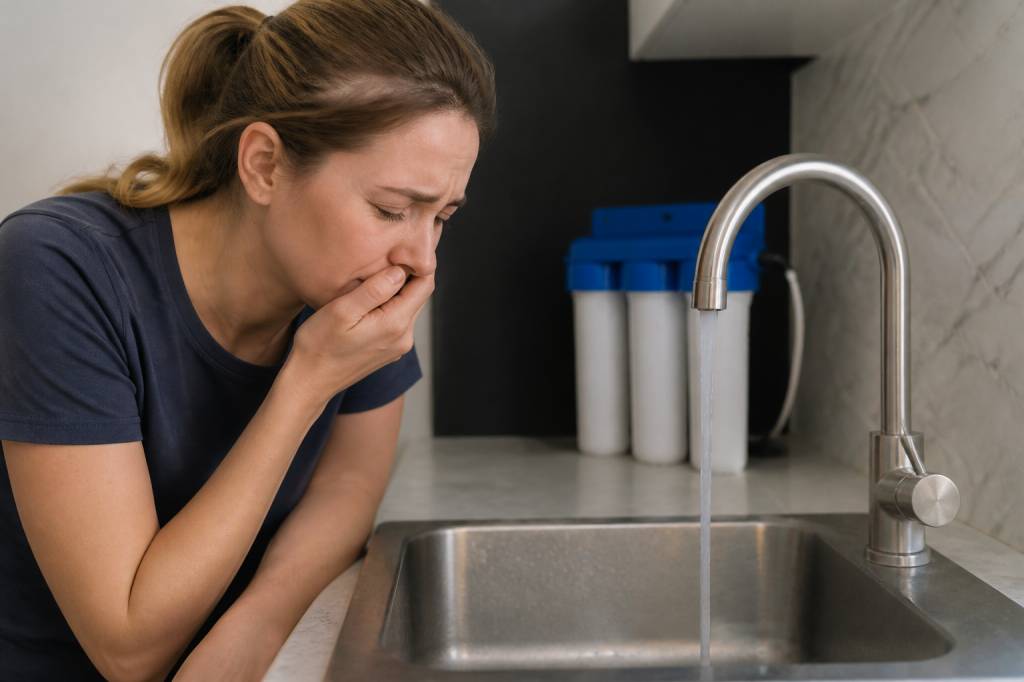
Volatile organic compounds, or VOCs, are one of those contaminants that sound technical until you realise they are hiding in places most people use every day: tap water, household cleaners, fuel spills, industrial emissions, even the air in a newly renovated room. The word “volatile” is doing a lot of work here. It means these compounds evaporate easily, which is exactly why they can move from soil into groundwater, from water into indoor air, and from a pipe into your glass. Not ideal.
So, are VOCs harmful to your health and water quality? In many cases, yes. The answer depends on the specific compound, the level of exposure, and how long the exposure lasts. But the overall picture is clear enough: VOC contamination is a real environmental and public health issue, and it deserves serious attention.
What are VOCs, exactly?
VOCs are a broad group of carbon-based chemicals that readily evaporate at room temperature. That category includes hundreds of substances, from industrial solvents and degreasers to fuel components and by-products of manufacturing. Some are naturally occurring, but many of the VOCs that show up in drinking water or indoor environments are linked to human activity.
Common examples include:
- Benzene
- Toluene
- Ethylbenzene
- Xylenes
- Trichloroethylene (TCE)
- Tetrachloroethylene (PCE)
- Vinyl chloride
If some of those names look familiar, that is not a coincidence. Many VOCs are associated with fuel, dry cleaning, paint, adhesives, industrial degreasing, and manufacturing. They can enter the environment through spills, leaks, improper disposal, or long-term pollution from contaminated sites.
How VOCs get into water supplies
VOCs often reach water through soil and groundwater contamination. A leaking underground storage tank, an industrial discharge, or a historic landfill can release chemicals that slowly migrate into aquifers. Once a VOC is in groundwater, it can persist for years and travel far beyond the original source.
Surface water can also be affected, especially near industrial areas or after runoff events. And because VOCs are so mobile, they can end up in public water systems or private wells. Private wells are especially vulnerable because they are not always monitored with the same frequency as municipal supplies.
One reason VOC contamination can go unnoticed is that water may still look, smell, and taste “normal.” That is a problem. Not every harmful contaminant announces itself with a dramatic chemical odour. Some do, but many do not. In other words, clear water is not the same thing as clean water.
Are VOCs harmful to your health?
The short answer is yes, certain VOCs can be harmful to human health, especially with repeated exposure. The effects depend on the compound and the dose, but health concerns generally fall into two categories: short-term irritation and longer-term chronic effects.
Short-term exposure to some VOCs can cause symptoms such as:
- Headaches
- Dizziness
- Nausea
- Eye, nose, and throat irritation
- Fatigue
- Difficulty concentrating
These symptoms are not unique to VOCs, which is part of the challenge. A mild headache after cleaning the bathroom may not scream “chemical exposure,” but if the room contains strong solvent-based products and ventilation is poor, VOCs may be part of the story.
More concerning are the long-term effects linked to specific VOCs. For example, benzene is a well-established human carcinogen. TCE and PCE have also been associated with serious health risks, including impacts on the nervous system, liver, kidneys, and immune system, as well as cancer concerns for some compounds. Vinyl chloride is another example with known cancer risk.
Children, pregnant people, older adults, and those with existing health conditions may be more vulnerable. So may workers in industrial settings, people living near contaminated sites, and households using private wells near historic pollution sources.
How VOCs affect water quality
When VOCs enter water, they do more than raise a regulatory flag. They can change how water is used, treated, and perceived by communities. Water quality is not just about bacteria or hardness or chlorine taste. Chemical contamination matters too.
In drinking water, VOCs are a concern because many are toxic at very low concentrations. Regulators set maximum contaminant levels for some of them precisely because tiny amounts can still matter. This is one of the recurring themes in environmental health: “low” does not always mean “safe,” particularly with chronic exposure.
VOCs also complicate water treatment. Some can be removed through aeration, activated carbon, or advanced treatment methods, but treatment needs to be matched to the specific compound. A system that works well for one VOC may be less effective for another. That means testing is essential before selecting a filtration approach.
There is also an air-quality angle. Because VOCs are volatile, they can transfer from water into indoor air during showering, dishwashing, or laundry. That matters for compounds like TCE, which can be inhaled after they off-gas from household water use. So the risk is not limited to drinking alone.
Where VOC exposure usually comes from
Most people do not think about VOCs until a problem is found in a water test report. But exposure can come from several everyday and industrial sources.
- Industrial facilities and manufacturing sites
- Gas stations and fuel storage tanks
- Dry cleaning operations
- Landfills and hazardous waste sites
- Paints, solvents, and adhesive products
- Household cleaning products and air fresheners
- Contaminated private wells or groundwater
Not every VOC source is dramatic. Sometimes contamination is the result of decades of small releases, poor disposal practices, or legacy pollution that was never fully remediated. Environmental contamination has a long memory.
How VOCs are detected in water
Testing is the only reliable way to know whether VOCs are present in water. You cannot smell your way to a complete risk assessment. A laboratory water test can identify specific compounds and measure their concentrations.
If you use a private well, testing is especially important because well water quality can change over time. A single clean test does not guarantee future safety. Seasonal shifts, nearby construction, fuel leaks, or changes in groundwater flow can alter the picture.
For municipal water, consumers can often review water quality reports, but those reports may not capture private plumbing issues or contamination that occurs after water leaves the treatment plant. If VOCs are a concern in your area, a targeted test is the best starting point.
Look for testing that covers:
- Common VOCs such as benzene, TCE, PCE, and vinyl chloride
- Total VOC screening where appropriate
- Any site-specific chemicals linked to local industrial activity
What the regulations do, and do not, protect against
In many countries, some VOCs are regulated in drinking water because their health impacts are well documented. That is important, but regulation is not the same as zero risk. Standards vary by compound, enforcement varies by location, and not every VOC is equally monitored.
Another issue is that environmental standards often lag behind emerging science. A chemical may be widely detected before it becomes the focus of strict limits. Sound familiar? It should. That pattern is also familiar in the PFAS world, where widespread contamination was recognised long before regulation caught up. VOCs are not PFAS, but the broader lesson is the same: once contamination is established, remediation is harder and more expensive than prevention.
For homeowners, tenants, and local communities, this means a simple rule applies: if there is a plausible source, test and verify rather than assume safety.
Can water filters remove VOCs?
Yes, some water treatment technologies can reduce VOCs effectively, but the right solution depends on which compounds are present and at what levels. This is where generic “one-size-fits-all” filter claims deserve a healthy dose of scepticism.
Common treatment options include:
- Activated carbon filters
- Granular activated carbon systems
- Air stripping or aeration systems
- Reverse osmosis, depending on the contaminant profile
- Whole-house treatment systems for broader exposure reduction
Activated carbon is often used for VOC reduction because it adsorbs many organic compounds effectively. But performance depends on contact time, filter capacity, and replacement schedules. A neglected filter can become an expensive decoration.
For some homes, point-of-use treatment at the kitchen tap may be enough. For others, especially where shower exposure is a concern or contamination is widespread, a whole-house system may be more appropriate. The best choice depends on the test results, household size, and whether the contamination is in drinking water only or throughout the plumbing system.
How to reduce exposure at home
If VOCs are suspected or confirmed in your water, there are practical steps you can take while you work on a longer-term solution.
- Test the water professionally and identify the specific VOCs present
- Use certified filtration designed for VOC reduction
- Replace filters on schedule
- Improve ventilation when using solvent-based cleaning or paint products
- Store chemicals, fuels, and solvents safely and away from living spaces
- Check private wells regularly, especially if you live near potential contamination sources
If your home has a private well, it is worth checking whether nearby sites, old fuel tanks, or industrial land uses could affect groundwater. The absence of an obvious smell does not rule out contamination, and a neighbour’s clean result does not automatically protect your own well.
Why this issue matters beyond one house or one tap
VOC contamination is not just a personal inconvenience. It is a signal that something in the surrounding environment has gone wrong. When VOCs show up in water, there is often a broader story involving industrial history, infrastructure failure, or insufficient oversight.
That is why VOCs sit at the intersection of health, regulation, and environmental justice. Communities with fewer resources are often the ones left dealing with contaminated wells, ageing infrastructure, and delayed cleanup. The result is an uneven burden that can last for generations.
From a public health perspective, the goal is simple: reduce exposure at the source, test consistently, and use treatment where needed. From an environmental perspective, the goal is even better: prevent these chemicals from entering water in the first place.
What to remember if you are concerned about VOCs
VOCs can harm health, especially with repeated exposure, and they can significantly affect water quality even when water looks perfectly fine. Some VOCs are linked to irritation and neurological symptoms; others are associated with more serious long-term outcomes, including cancer risk. Because they can travel through groundwater and volatilise into indoor air, their impact is broader than many people expect.
If you rely on a private well, live near an industrial or fuel-related site, or have reason to suspect contamination, testing is the most important first step. Once you know what is in your water, you can choose a treatment option that actually matches the problem instead of hoping a generic filter will do the job.
In environmental health, hope is not a strategy. Data is.