


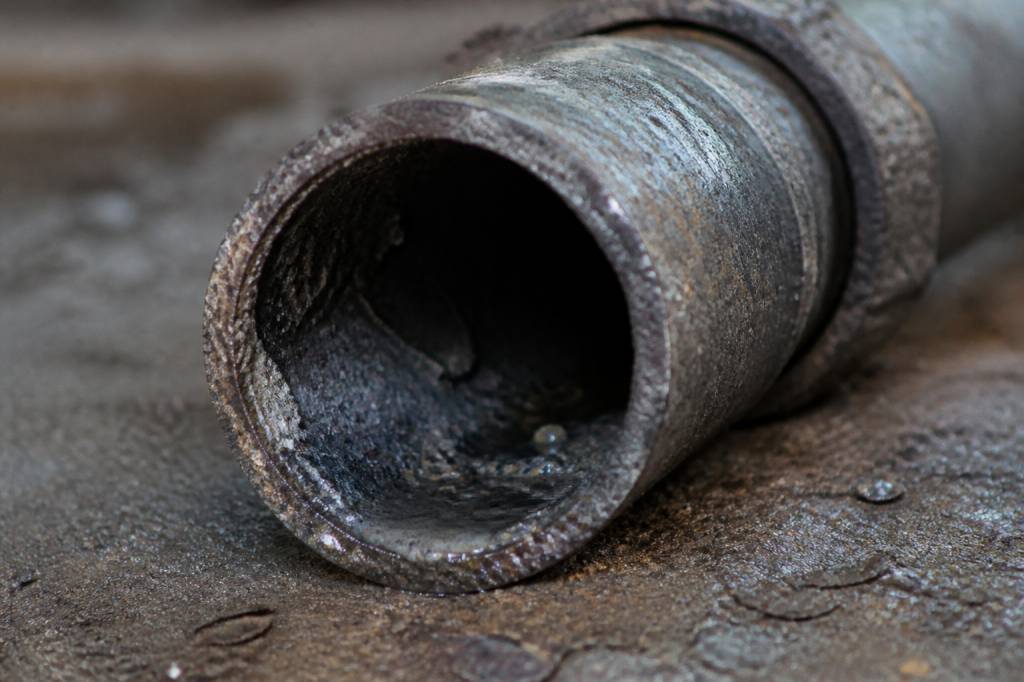
Lead pipes have been used for centuries, and their name alone can make modern homeowners uneasy. Should it? In short: yes, lead pipes can be dangerous for drinking water, especially when water chemistry allows lead to leach into the supply. The risk is not always visible, and that is what makes it so concerning. A glass of water can look clear, taste normal, and still contain lead at levels that matter for health.
Unlike contaminants that come and go with a spill or a storm, lead contamination can be a slow, persistent problem. It often starts inside the pipe itself, then continues at the taps people use every day. For households with older plumbing, the issue can remain hidden for years. The good news is that the danger is well understood, and there are clear ways to reduce exposure.
Why lead pipes are a problem
Lead is a toxic metal with no known safe level of exposure for children, according to many public health authorities. In drinking water, the concern is not usually the pipe releasing chunks of metal. Instead, small amounts of lead dissolve into the water over time, particularly when water is corrosive or the protective mineral scale inside the pipe has been disturbed.
This matters because lead accumulates in the body. Even low-level exposure can have lasting effects, especially in infants, young children, and pregnant people. Children absorb lead more easily than adults, and their developing brains are more vulnerable to its effects. That is why lead in drinking water remains a serious public health issue, even though the concentrations involved may seem tiny.
Lead pipes are not the only source of lead in drinking water. Service lines, solder, brass fixtures, and some older plumbing components can all contribute. But lead pipes are a major concern because they can leach lead continuously, particularly if water treatment is not optimized.
How lead gets into drinking water
Lead does not usually appear in source water in large amounts. The contamination often happens after water leaves the treatment plant and travels through the distribution system or household plumbing. Water that is slightly acidic, low in minerals, or otherwise corrosive can strip lead from pipes and fittings.
Several factors can increase the amount of lead that ends up in tap water:
- Corrosive water chemistry, especially low pH or low alkalinity
- Disturbance of old lead service lines during repairs or construction
- Changes in treatment processes that alter corrosion control
- Stagnant water sitting in pipes for several hours
- Hot water, which can leach metals more quickly than cold water
The last point is important and often overlooked. Using hot tap water for cooking or making baby formula is a bad idea if there is any chance of lead plumbing. Hot water tends to pull more metals from pipes and fixtures. In practical terms, the bathroom sink may not be the place to experiment with soup recipes.
Who is most at risk?
Everyone is better off avoiding lead exposure, but some groups face greater health risks. Children under six are especially sensitive because lead can interfere with brain development. Even relatively small exposures have been linked to learning difficulties, lower IQ, attention problems, and behavioural changes.
Pregnant people should also be cautious. Lead can cross the placenta, exposing the developing fetus. In adults, long-term exposure has been associated with high blood pressure, kidney problems, and cardiovascular effects. While adults may tolerate low-level exposure better than children, “better” is not the same as “safe.”
Households at higher risk often include:
- Homes built before the late 1980s, especially in cities with older infrastructure
- Properties that still have lead service lines
- Families with infants or young children
- Pregnant people
- Homes where the water has a history of corrosivity issues
What does the science say about health effects?
The science on lead exposure is unusually consistent: lead is harmful, and the nervous system is one of the main targets. In children, the damage may show up as reduced cognitive performance, behavioural difficulties, and delays in development. These effects are one reason public health agencies around the world have pushed for lead removal from water systems.
In adults, the picture is different but still troubling. Chronic exposure has been linked to hypertension, reduced kidney function, and reproductive effects. There is also evidence that lead can contribute to cardiovascular disease. The body treats lead like an unwelcome impostor: it can mimic other minerals, interfere with biological processes, and then linger in bones for years.
One of the most frustrating aspects of lead exposure is that symptoms are often absent at low levels. People may not feel ill, and by the time problems are noticed, the exposure may have already affected health. This is why testing and prevention matter far more than waiting for visible warning signs.
Can you tell by taste, smell, or appearance?
No. Lead in water is typically invisible, odourless, and tasteless. That is part of the problem. Clear water is not necessarily safe water.
Some people assume that if water looks clean and there is no metallic taste, it must be fine. Unfortunately, lead does not follow common-sense rules. It can be present in drinking water even when nothing seems unusual at the tap. If only contaminants were as polite as a bad smell.
How to know if your home has lead pipes
Older homes are the most obvious candidates, but age alone is not proof. The only reliable way to know is to inspect the plumbing or check local water utility records if available. In many places, water suppliers have records of service line materials, though those records are not always complete.
Here are a few ways to investigate:
- Check the age of your home and neighbourhood infrastructure
- Look for a pipe that appears dull grey and soft enough to scratch with a coin or key
- Contact your water utility and ask whether your service line contains lead
- Hire a licensed plumber to identify pipe materials if you are unsure
- Request a water test from a certified laboratory
One important detail: many homes have a mix of materials. A house might not have lead pipes inside, but it could still be connected to a lead service line between the property and the street. That section is easy to forget because it is underground, but it can still affect what comes out of the tap.
What should you do if lead pipes are present?
If lead pipes or lead service lines are identified, the best long-term fix is replacement. Partial replacement is better than nothing in many cases, but it can sometimes disrupt corrosion balance and temporarily increase lead release. Full replacement of the service line is generally the strongest protective measure.
Until replacement happens, several steps can reduce exposure:
- Use only cold water for drinking, cooking, and baby formula
- Let the tap run briefly after water has been sitting for several hours
- Use a certified filter designed to remove lead
- Clean faucet aerators regularly, since debris can collect there
- Check whether your local utility recommends flushing guidance
Filters can be very effective, but only if they are actually certified for lead removal. Not every filter on the market does the same job. A basic carbon jug may improve taste and odour, but that does not automatically mean it removes dissolved lead. Look for independent certification, and replace cartridges on schedule.
Are all water filters equally effective against lead?
Definitely not. Some filters reduce lead well; others do almost nothing. If the goal is to lower exposure from lead pipes, the filter should be certified to a recognised standard for lead reduction. This is especially important for homes with children or pregnant residents.
Point-of-use options can include pitcher filters, faucet-mounted filters, under-sink systems, and reverse osmosis units. Each has advantages and limitations. Pitcher filters are convenient, but capacity is limited. Under-sink systems are more robust, but they require installation and maintenance. Reverse osmosis systems can remove a broad range of contaminants, though they also waste some water and need careful upkeep.
If you are considering filtration, ask three questions:
- Is the filter certified for lead reduction?
- What is the filter’s flow rate and capacity?
- How often must the cartridge be replaced to maintain performance?
A filter is only as good as its maintenance. A neglected cartridge is not a safety tool; it is just an expensive decoration under the sink.
What about corrosion control in public water systems?
For water utilities, corrosion control is a central line of defence. Utilities can adjust treatment to form a protective layer inside pipes, reducing lead leaching. This approach does not remove lead pipes, but it can greatly lower the amount of lead entering drinking water.
However, corrosion control must be carefully managed. Changes in source water, treatment chemicals, or distribution conditions can alter how much lead dissolves into the water. That is why regular monitoring and transparent reporting are so important.
When corrosion control fails or is insufficient, even a well-run water system can deliver water with elevated lead levels at some homes. The problem is not always the treatment plant alone; it is often the entire chain from source to tap.
What do regulations require?
Lead in drinking water is regulated in many countries, but the details vary. In general, regulators set action levels or maximum limits and require water suppliers to monitor and respond when lead is detected. Some policies focus on replacing lead service lines over time, while others emphasize corrosion control and public notification.
One challenge is that regulatory limits are not the same as health-based zero. In other words, a system can be considered compliant while still delivering some lead to consumers. That gap between legal compliance and ideal public health protection is one reason many experts call for more aggressive pipe replacement programmes.
For households, this means it is not enough to assume the water is safe because the utility is following the rules. Rules help, but they do not always eliminate risk at the tap.
Why lead pipe replacement is a public health priority
Replacing lead pipes is one of those infrastructure projects that sounds boring until you realise it can protect brain development, reduce chronic disease risk, and remove a legacy contaminant from daily life. That is a strong return on investment by any measure.
The challenge is scale. Many cities still have lead service lines, and replacement can be expensive and logistically complex. Some areas have moved faster than others, often after public pressure or high-profile contamination events. The message from public health experts is clear: waiting is costly, because the health burden is not abstract. It is measured in children’s cognitive potential, families’ anxiety, and long-term medical consequences.
Practical steps for households
If you live in an older property or simply want to be cautious, the safest approach is to verify your plumbing and reduce exposure while you do so. You do not need to become a plumbing detective overnight, but a few simple actions can make a real difference.
- Ask your water utility whether your service line is made of lead
- Test your tap water through a certified laboratory
- Use cold water for anything consumed
- Install a certified lead-removal filter if needed
- Replace the lead service line when possible
If you have young children, it is worth being especially proactive. Lead exposure is one of those hazards where prevention is far easier than trying to undo the damage later. The same applies to pregnancy: reducing exposure before and during pregnancy is the safest approach.
Lead pipes are dangerous for drinking water because they can quietly introduce a neurotoxic metal into everyday life. The danger is not always dramatic, but it is real, measurable, and preventable. That combination should get anyone’s attention. If your home may still contain lead plumbing, testing, filtration, and replacement are the most reliable ways forward.