


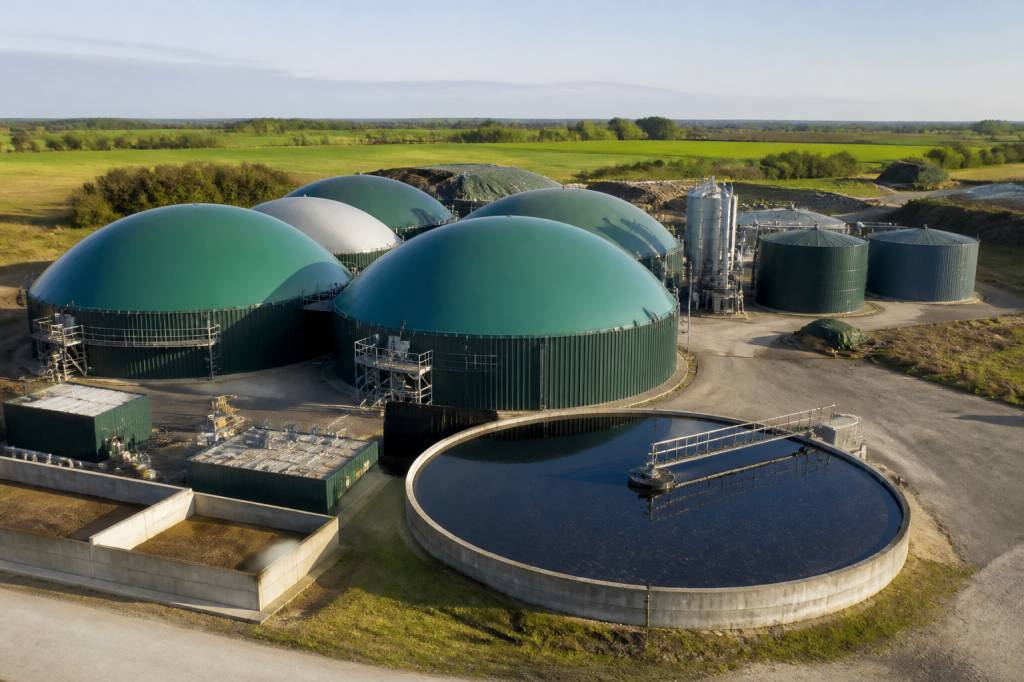
Anaerobic digestion is often described as a clean energy solution, and in many ways it is. By breaking down organic waste in the absence of oxygen, digesters can produce biogas, reduce landfill volumes, and recover nutrients from materials that would otherwise be discarded. But as with most environmental technologies, the story does not end at energy recovery.
Water quality is tightly linked to anaerobic digestion. From the wastewater entering a plant to the liquid streams leaving it, digestion can either help protect water resources or create new management challenges if the process is poorly controlled. That is why anyone looking at anaerobic digestion should also be asking a second, equally important question: what happens to the water?
What anaerobic digestion actually does
Anaerobic digestion is a biological process in which microorganisms decompose organic material without oxygen. It is used for sewage sludge, food waste, agricultural residues, manure, and a growing list of industrial organics. Inside the digester, a sequence of microbial steps converts complex compounds into biogas, mainly methane and carbon dioxide, while leaving behind a nutrient-rich residue called digestate.
The process typically involves four stages: hydrolysis, acidogenesis, acetogenesis, and methanogenesis. Each stage depends on the one before it, which is why stable temperature, pH, mixing, and feedstock composition matter so much. If the system becomes unbalanced, the output is not just lower gas production. It can also affect the quality of liquid effluent, digestate, and downstream water bodies.
In simple terms, anaerobic digestion changes the form of pollution rather than eliminating every contaminant outright. Organic solids are reduced, but nutrients, salts, metals, pharmaceuticals, and other persistent chemicals may remain in the liquid fraction or concentrate in solids. That distinction matters for water quality.
Why water quality is part of the digestion equation
Whenever organic waste is processed, water is involved. It may be the water content of the feedstock itself, process water used for handling and dilution, or the liquid separated from digestate after digestion. Each of these streams can carry pollutants that require careful management.
For wastewater treatment plants, anaerobic digestion is a standard part of sludge stabilization. For farms and biowaste facilities, it is often the core of resource recovery. In both cases, the facility may generate a liquid fraction that contains elevated concentrations of ammonium, phosphorus, dissolved organic carbon, and trace contaminants. If that liquid is discharged without adequate treatment, water quality can be affected quickly and visibly.
The environmental impact depends on scale, feedstock type, and how the facility treats its outputs. A well-run digester with proper effluent treatment can reduce pollution loads. A poorly managed one can create nutrient hotspots, increase oxygen demand in receiving waters, and spread contaminants through land application or leakage.
The main water quality pathways affected by digestion
There are several ways anaerobic digestion can influence water quality, and they do not all point in the same direction. Some are beneficial, some are neutral, and some are risky if controls are weak.
-
Nutrient release: Digestion converts organic nitrogen into ammonium, which is more soluble and can move easily into water if not captured.
-
High-strength liquid effluent: The separated liquid fraction can contain elevated biochemical oxygen demand, total nitrogen, and phosphorus.
-
Pathogen reduction: Properly operated digesters can reduce pathogen loads, improving sanitary safety compared with untreated waste.
-
Concentration of trace pollutants: Some contaminants do not break down and may become more concentrated in digestate or liquid streams.
-
Leakage and runoff risks: Storage tanks, lagoons, and land application areas can release contaminants into surface water and groundwater if not managed correctly.
This is where the process becomes more than a waste treatment story. It becomes a watershed protection issue.
Nutrients: useful in theory, problematic in excess
Digestate is often promoted as a fertilizer, and for good reason. It contains nitrogen, phosphorus, potassium, and organic matter that can improve soil health when applied at the right rate. But nutrients are only helpful when they are used by plants. When they reach rivers, lakes, or groundwater, they drive eutrophication, algal blooms, and oxygen depletion.
During anaerobic digestion, organic nitrogen is mineralised into ammonium. This is valuable because plants can use ammonium more readily than some other forms of nitrogen. The downside is mobility. If digestate is stored improperly or spread on saturated soils, ammonium can leach or be converted to nitrate, which is also highly mobile and a common groundwater contaminant.
Phosphorus behaves differently, but it is equally important. Much of it remains in the solid fraction, which can be beneficial if the solids are used as a soil amendment. However, phosphorus can still be lost through runoff, especially where application rates exceed crop demand or where rainfall follows spreading. In sensitive catchments, even small losses can have outsized effects.
So yes, digestate can be a resource. But like many “recycled” materials, it only works well when the nutrient balance is managed with precision rather than optimism.
Microbial safety and pathogen control
One of the strongest environmental benefits of anaerobic digestion is its potential to reduce pathogens in sewage sludge and organic waste. Under mesophilic or thermophilic conditions, many disease-causing organisms are inactivated or significantly reduced. That can lower health risks associated with waste handling and land application.
Still, pathogen reduction is not the same as sterilisation. Survival depends on temperature, retention time, feedstock, and process stability. If a digester experiences short-circuiting or receives unprocessed material after digestion, viable microbes may remain in the output. That is especially relevant for facilities producing liquid effluents that may interact with surface waters or irrigation systems.
For water quality professionals, this means monitoring cannot stop at gas production. Biological safety indicators, process validation, and storage hygiene all matter. If the waste stream is used on land, the timing and method of application matter too. A nutrient-rich product is not automatically a safe one.
Trace contaminants: the hidden part of the picture
Not all contaminants behave like nutrients or pathogens. Many are persistent, mobile, or difficult to remove through biological treatment alone. This is where anaerobic digestion can create a more complicated water quality picture.
Feedstocks may contain heavy metals, microplastics, pharmaceuticals, industrial chemicals, flame retardants, and PFAS. Some of these compounds remain largely unchanged during digestion. Others may partition between liquid and solid phases. In practice, digestion does not erase the input profile of the waste; it redistributes it.
PFAS are a particularly important example. These “forever chemicals” are highly persistent and can be present in waste streams entering sewage treatment plants, industrial organic waste, and some landfill leachates. Anaerobic digestion is not designed to destroy PFAS. In fact, current evidence suggests that many PFAS compounds remain stable under typical digester conditions. That means they may pass through the system into digestate, sidestreams, or dewatered sludge.
Why does this matter for water quality? Because if PFAS-containing digestate is land-applied, or if process water is not adequately treated, the chemicals can migrate into groundwater and surface water. Once there, they are notoriously difficult to remove. This is one reason why source control and feedstock screening are becoming so important in modern waste management.
Digestate and leachate management: where many problems start
The digestion process itself is only part of the story. What happens after digestion often determines whether the water quality impacts are minor or significant.
Digestate is commonly separated into solid and liquid fractions. The liquid fraction may require nitrification-denitrification, membrane filtration, ammonia stripping, or other advanced treatment before discharge or reuse. The solid fraction may be composted, dried, or land-applied. Each route has different implications for water contamination.
Storage is another key issue. Digestate tanks, lagoons, and holding ponds can overflow during heavy rainfall or leak through damaged liners. If the material contains high nutrient loads or persistent contaminants, that leakage can become a direct pathway to surface water and groundwater pollution.
Land application is often the final stage of nutrient recycling, but it requires careful planning. Buffer zones, soil testing, seasonal restrictions, and application rate limits are essential. The question is not whether digestate can be beneficial. The question is whether it is being applied in a way that matches the receiving environment’s capacity.
What good facility design looks like
Strong environmental performance does not happen by accident. It depends on design, operating discipline, and monitoring. Facilities that want to protect water quality usually combine several controls rather than relying on one treatment step.
-
Feedstock screening: Excluding or limiting contaminated inputs reduces the burden on the system from the start.
-
Process stability: Maintaining pH, temperature, and retention time supports efficient digestion and more predictable outputs.
-
Separation and polishing: Liquid fractions often need additional treatment before reuse or discharge.
-
Impermeable storage: Tanks and lagoons should be designed to prevent seepage and overflow.
-
Regular testing: Monitoring nutrients, pathogens, metals, and persistent chemicals helps identify problems early.
-
Application controls: Digestate used on land should be matched to crop need, soil conditions, and weather forecasts.
This is where environmental engineering becomes practical rather than theoretical. A digester is not just a reactor. It is part of a full waste-and-water system.
Can anaerobic digestion support better water outcomes?
Yes, it can. In many cases, anaerobic digestion reduces the environmental burden of waste by stabilising organic matter and recovering energy. It can reduce untreated discharges, lower methane emissions from uncontrolled decomposition, and make nutrient recycling more efficient than sending organics to landfill.
But it is not a blanket solution. Its water quality benefits depend on the nature of the feedstock, the efficiency of treatment, and the management of outputs. If a facility accepts contaminated waste without controls, digestion may simply move the pollution from one stream to another. That is not a win for water, even if the biogas yield looks impressive on paper.
There is also a broader policy angle. As regulations tighten around nutrient pollution, biosolids, and PFAS, operators will need better contaminant tracking and stronger discharge standards. The era of assuming that “bio-based” automatically means “safe” is over. Water quality monitoring now has to be more sophisticated, not less.
What to watch for in the coming years
Several trends are shaping how anaerobic digestion will interact with water quality in the future. One is the push for circular economy solutions, which is increasing the use of digestate on land. Another is the growing awareness of emerging contaminants, especially PFAS, in waste and sludge streams. A third is the development of advanced treatment technologies that can remove ammonia, micro-pollutants, and other sidestream contaminants more effectively.
For communities living near digesters, wastewater plants, or land-application sites, the key issue is transparency. What is entering the system? What is leaving it? How often is it tested? And what happens when results exceed safe thresholds?
Those are not abstract questions. They determine whether anaerobic digestion functions as a genuine environmental solution or simply a better-organised way of moving pollution around.
In environmental management, the most useful technologies are rarely the ones that promise perfection. They are the ones that make risks visible, measurable, and controllable. Anaerobic digestion can do that, but only if water quality is treated as part of the design from the beginning.