


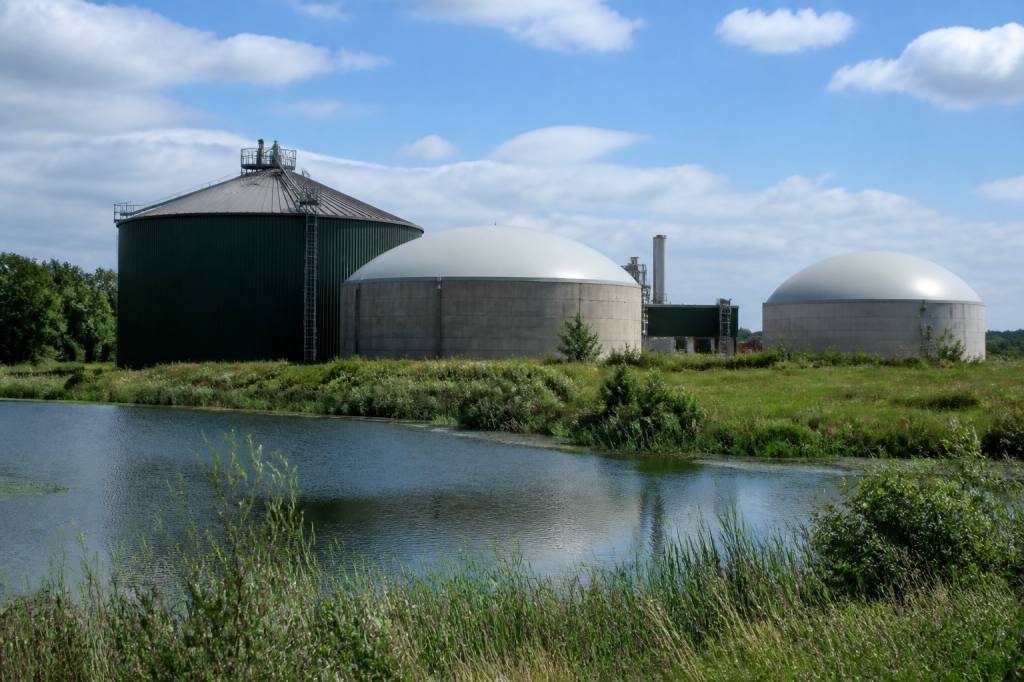
Anaerobic digestion is one of those environmental technologies that sounds highly technical until you break it down. In simple terms, it is a biological process that uses microorganisms to break down organic matter in the absence of oxygen. It is widely used to treat food waste, manure, sewage sludge, and other biodegradable materials, while producing biogas that can be captured and used as energy.
For water and environmental professionals, anaerobic digestion matters for more than waste treatment. It influences nutrient cycles, wastewater quality, sludge management, and in some cases the fate of contaminants moving through treatment systems. That includes emerging concerns such as PFAS, which are increasingly drawing attention in wastewater and biosolids management. So how does anaerobic digestion actually work, and what does it mean for water quality?
What anaerobic digestion is, in practical terms
Anaerobic digestion is a natural decomposition process that happens when bacteria and other microorganisms break down organic material without oxygen. This occurs in wetlands, lake sediments, landfills, and the digestive systems of animals. In engineered systems, the process is carefully controlled inside sealed tanks called digesters.
The goal is twofold: reduce the volume and instability of organic waste, and generate useful energy in the form of biogas. Biogas is typically made up of methane and carbon dioxide, with small traces of other gases. If captured and cleaned, it can be used to generate electricity, heat buildings, or even be upgraded to biomethane for injection into the gas grid.
From a treatment perspective, the process is valued because it reduces pathogens, lowers volatile solids, and stabilises waste. From a climate perspective, it helps divert organic waste from landfill, where it would otherwise produce methane in a less controlled way. Not a bad deal, provided the system is designed and operated properly.
How the anaerobic digestion process works
Anaerobic digestion happens in a series of biological stages. Each stage depends on a different group of microorganisms, and the whole process works best when temperature, pH, retention time, and feedstock composition are kept within the right range.
The four main stages are:
This chain of reactions sounds efficient, but it is also delicate. If one stage slows down, the whole system can become unbalanced. For example, if acid production outpaces methane formation, the digester can become too acidic, which harms methane-producing microbes and reduces gas output.
That is why operators monitor a range of indicators, including pH, alkalinity, volatile fatty acids, temperature, and gas composition. In other words, anaerobic digestion is not a “set it and forget it” process. It is more like tending a very efficient, very picky biological ecosystem.
Where anaerobic digestion is used
Anaerobic digestion is used across several sectors. In wastewater treatment plants, it is commonly applied to sewage sludge. In agriculture, it is used for manure and crop residues. In the food and beverage sector, it can treat production waste and by-products. Municipal organic waste facilities also use digestion to process household food waste.
Each feedstock behaves differently. Sewage sludge tends to be wet and rich in microbes. Food waste can be highly biodegradable and produce strong gas yields, but it may also cause operational instability if loaded too quickly. Manure can provide buffering capacity, but it often contains lower energy content. Co-digestion, where two or more feedstocks are mixed, is often used to improve gas yield and balance nutrient content.
This flexibility is one reason anaerobic digestion has expanded in recent years. It can support waste reduction, renewable energy production, and resource recovery in a single system. But the composition of the input material also shapes the quality of the digestate and the treated water leaving the process.
What happens to water quality during digestion
Water quality is affected at several points in the anaerobic digestion process. The digester itself usually contains a liquid-rich environment, and many facilities must manage both the digestate and the separated liquid fraction afterward. The way these streams are handled can have a significant impact on downstream water quality.
During digestion, organic matter is broken down, which reduces biochemical oxygen demand in the material. That is generally positive. However, nutrients such as nitrogen and phosphorus are not destroyed. Instead, they may become more soluble. In practice, this means the liquid fraction of digestate can contain elevated levels of ammonium and phosphorus, both of which can contribute to water pollution if released untreated.
Common water-quality issues linked to anaerobic digestion include:
The key point is that anaerobic digestion improves waste stability, but it does not magically make all pollutants disappear. It changes their form, concentration, and mobility, which is important for water management.
Why PFAS are relevant in anaerobic digestion
PFAS are now part of the water-quality conversation because they have been detected in sewage sludge, landfill leachate, industrial waste streams, and some organic wastes entering digestion systems. They are sometimes called “forever chemicals” because many of them are highly persistent and do not break down easily in the environment.
Unlike organic material, PFAS are not readily degraded by the anaerobic conditions inside digesters. That means digestion is not a reliable removal pathway. In some cases, PFAS may remain in the digestate or liquid fraction, and their distribution can shift during processing rather than disappearing. This creates an important management challenge, especially when digestate is applied to land or the liquid fraction is discharged to water treatment systems.
Why does this matter? Because if PFAS remain in digestate, they can enter soils, groundwater, and surface waters through land application or runoff. If the liquid fraction is returned to a wastewater plant, it can reintroduce PFAS into treatment trains that are not designed for effective removal. The issue is not just treatment efficiency; it is also long-term pollutant cycling.
Research has shown that the fate of PFAS in digestion systems depends on the specific compound, the feedstock, and the operating conditions. Short-chain PFAS can behave differently from longer-chain compounds. Precursors may transform into more persistent end products. And because sludge and digestate often concentrate contaminants present in incoming waste, the process can act as a separator rather than a destroyer.
What the science says about contaminant fate
The scientific picture is clear on one point: anaerobic digestion is effective for stabilising biodegradable waste, but it is not a universal detoxification method. Some contaminants are partially reduced, some are transformed, and others pass through largely unchanged.
For water professionals, the implication is straightforward. If feedstocks contain PFAS, pharmaceuticals, or other persistent chemicals, the treatment pathway needs to account for them from the start. Monitoring should not stop at biogas yield or solids reduction. It should also include contaminant tracking in the digestate, centrate, filtrate, and any receiving waters where relevant.
This is especially important in facilities that handle mixed waste streams. A digester processing mostly food waste will behave differently from one treating sewage sludge from an industrialised catchment. If PFAS-containing materials enter the system, they may accumulate in ways that are hard to predict without targeted analysis.
Operational factors that affect water quality outcomes
The water-quality impacts of anaerobic digestion are not fixed. They depend heavily on how the system is run and what goes into it. Several operational factors can make a real difference.
In many facilities, the digester is only one part of a wider treatment chain. What happens after digestion often determines whether the system truly protects water quality. If the liquid fraction is poorly managed, the benefits of digestion can be undermined quickly.
Digestate, reuse, and the risk of transferring pollution
Digestate is often presented as a useful by-product because it contains nutrients and organic matter that can support soil health. In agricultural settings, it can reduce reliance on synthetic fertilisers. But reuse only makes sense if contaminant levels are understood and controlled.
This is where things get complicated. Digestate can be beneficial, yet it can also act as a carrier for unwanted substances. If it contains elevated ammonia, salts, metals, or PFAS, land application can shift the problem from one medium to another. That does not mean digestate use should be abandoned. It means testing, regulation, and risk-based management are essential.
For example, a facility may successfully reduce waste volume and produce renewable energy, but still need to address the composition of the final solids and liquid outputs. Without that step, the process may simply concentrate contaminants rather than eliminate them. Environmentally speaking, moving pollution from a tank to a field is not much of a win.
How anaerobic digestion fits into modern water management
Despite its limitations, anaerobic digestion remains a valuable tool in sustainable water and waste management. It supports energy recovery, reduces landfill dependence, and can improve sludge stabilisation. In the right context, it is a strong example of circular economy thinking: turning waste into resources.
But the rise of emerging contaminants has changed how we assess treatment technologies. Water quality is no longer measured only by solids reduction or pathogen control. We now have to consider persistent chemicals, nutrient recycling, and the risk of pollutant transfer between environmental compartments.
That broader perspective is especially important for utilities, regulators, and operators dealing with PFAS. Anaerobic digestion may be part of the solution, but it is rarely the whole solution. Careful feedstock control, contaminant monitoring, and appropriate downstream treatment remain essential.
What facilities can do to reduce water-quality risks
Facilities using anaerobic digestion can take several practical steps to protect water quality and improve environmental outcomes.
In many cases, good management is about asking the right question before contaminants become a compliance problem. What is entering the digester? What is leaving it? And where does that material go next?
Why this matters for the future of water quality
Anaerobic digestion will continue to play a major role in waste treatment and renewable energy generation. That role is likely to grow as pressure increases to reduce emissions, recover nutrients, and make wastewater systems more resource-efficient.
At the same time, the presence of PFAS and other persistent contaminants means treatment technologies must be assessed more critically. A process that works well for biodegradable waste may be far less effective for chemical persistence. Understanding that distinction is essential for protecting water quality in the long term.
For readers following PFAS and environmental regulation, anaerobic digestion is a useful case study. It shows how a technology can deliver clear benefits while still requiring careful oversight. It also highlights a broader truth in environmental management: there is rarely a single fix. Real progress comes from combining treatment, monitoring, regulation, and informed decision-making.
In other words, anaerobic digestion is an important part of the system, but not the whole story. And when it comes to water quality, the details matter more than the label on the tank.