


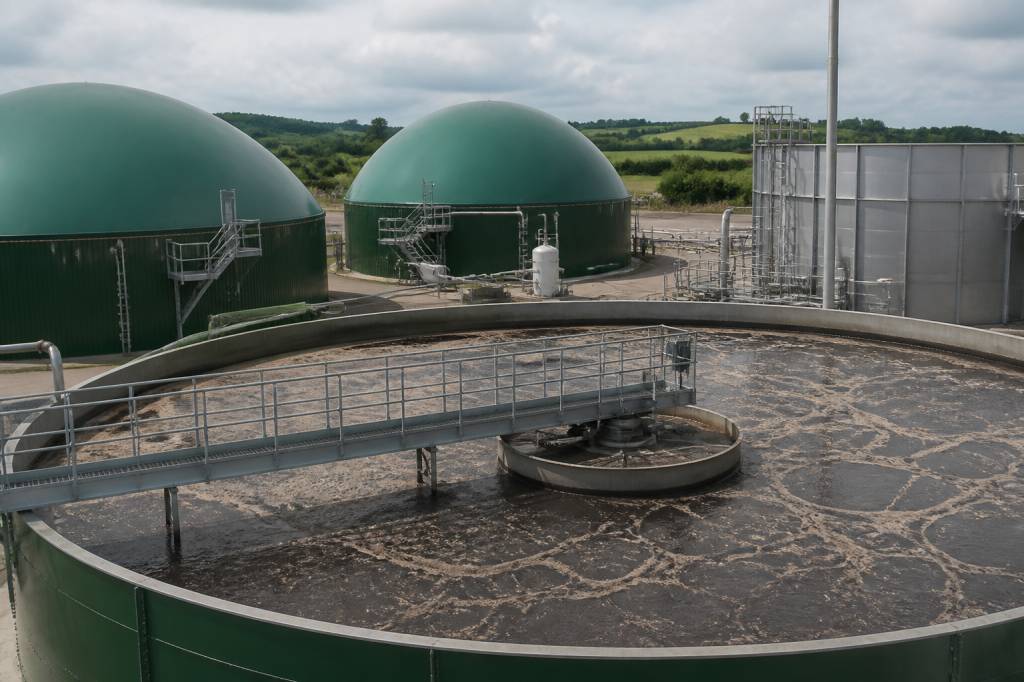
Anaerobic digestion is one of the most important biological processes used in modern waste and water treatment, yet it is often misunderstood. At its simplest, the process uses microorganisms to break down organic matter in the absence of oxygen. The result is a reduction in waste volume, the production of biogas, and the creation of a more stable residual material that can sometimes be reused or further treated.
That basic definition is accurate, but it only tells part of the story. In wastewater treatment plants, anaerobic digestion plays a practical role in managing sewage sludge. In organic waste facilities, it helps convert food waste, agricultural residues, and other biodegradable materials into energy and digestate. For environmental professionals, it is not just a treatment step; it is a tool for resource recovery, emissions reduction, and sludge management.
So why does it matter now? Because the pressure on water and waste systems is growing. Utilities are being asked to treat more waste, recover more energy, reduce greenhouse gas emissions, and deal with contaminants that were not fully considered in older systems. Anaerobic digestion is not a cure-all, but it is a core process in the shift toward more circular and lower-carbon infrastructure.
What anaerobic digestion means in practical terms
Anaerobic digestion is a natural decomposition process that happens without oxygen. In nature, you can find it in wetlands, lake sediments, animal digestive systems, and landfills. In engineered systems, operators control the process inside sealed tanks called digesters.
Inside these reactors, a community of bacteria and archaea breaks down complex organic material in stages. Proteins, fats, and carbohydrates are converted into simpler compounds, eventually producing biogas, which is mainly methane and carbon dioxide. The process also generates digestate, the remaining semi-solid or liquid material after digestion.
In plain English: the microbes do the heavy lifting, the waste gets stabilized, and the plant can capture energy from what would otherwise have been a disposal problem. Not a bad deal for a population of microscopic organisms.
How the anaerobic digestion process works
Anaerobic digestion is usually described in four biological stages, each carried out by different groups of microorganisms:
Each stage depends on the others, which is why digester conditions need to be carefully managed. If one microbial group becomes stressed by temperature changes, toxic compounds, or pH imbalance, the whole system can become less efficient.
That sensitivity is one reason anaerobic digestion is both powerful and delicate. It is not simply a tank where waste disappears. It is a biological process that works best when the right feedstock, temperature, retention time, and mixing conditions are maintained.
Where anaerobic digestion is used in water treatment
In wastewater treatment, anaerobic digestion is most commonly applied to sewage sludge. After wastewater has been treated through preliminary, primary, and often secondary treatment steps, solids are separated and concentrated into sludge. This sludge contains a high amount of organic material, making it well suited for digestion.
The main purposes in a water treatment setting are straightforward:
Many wastewater plants now use the biogas produced on site to help power digesters, heat buildings, or support plant operations. In some cases, the energy recovered offsets a meaningful share of plant electricity demand.
For utilities, this is important. Sludge treatment is often one of the largest operating costs in wastewater management. If digestion reduces disposal costs and generates usable energy, it improves the overall economics of treatment.
Where anaerobic digestion is used in waste treatment
Outside the wastewater sector, anaerobic digestion is widely used for organic waste treatment. Typical feedstocks include food waste, farm manure, crop residues, grease trap waste, and some industrial organic by-products.
In this context, the process serves several environmental goals at once. It diverts biodegradable waste from landfill, reduces methane emissions that would otherwise occur from uncontrolled decomposition, and produces renewable energy. The digestate may then be used as a soil amendment or sent for further processing, depending on its composition and local regulations.
This is one reason anaerobic digestion is often described as a circular economy technology. Waste becomes feedstock. Feedstock becomes energy. The remaining material may still have value, though not always in the same way or for the same applications.
What happens to the biogas and digestate
Biogas is one of the most useful outputs of anaerobic digestion. It typically contains around 50 to 70 percent methane, with the rest mainly carbon dioxide and trace gases such as hydrogen sulfide and water vapour. Before use, the gas may need cleaning to remove contaminants and moisture.
Depending on the facility, biogas can be:
Digestate is the other major output. This material still contains nutrients such as nitrogen, phosphorus, and potassium, along with remaining solids and microbes. In agriculture, digestate may be used as fertiliser or soil improver if it meets quality and regulatory standards. In other cases, it may need dewatering, composting, or additional treatment before reuse or disposal.
This is where the details matter. Digestate is not automatically “good” because it comes from a renewable process. Its environmental value depends on feedstock quality, contaminant levels, pathogen reduction, and how it is managed after digestion.
Why anaerobic digestion matters for environmental performance
The environmental case for anaerobic digestion is strong when the system is designed and operated well. First, it helps reduce methane emissions from uncontrolled waste decomposition. Methane is a powerful greenhouse gas, so capturing it through a controlled process can deliver significant climate benefits.
Second, it supports resource recovery. Instead of treating organic waste as a disposal burden, anaerobic digestion treats it as a source of renewable energy and nutrients. That fits well with modern waste hierarchy thinking, where recovery is preferred over simple disposal.
Third, it can reduce odours and improve handling. Stabilized sludge and organic waste are generally easier and safer to transport and process than untreated material. This matters for municipalities, farms, and industrial facilities that need reliable long-term waste solutions.
There is also a systems benefit. By integrating digestion into a treatment train, operators can improve overall efficiency. The process does not replace primary or secondary treatment in wastewater plants, but it complements them by dealing with the solids fraction more sustainably.
Common operational challenges
Although anaerobic digestion is well established, it is not maintenance-free. Several operational issues can reduce performance or create compliance problems.
For wastewater facilities, another challenge is that sludge can contain persistent contaminants introduced upstream. Some compounds are broken down well in anaerobic systems, but others are more resistant. That distinction matters when assessing whether digestion improves the environmental profile of a waste stream or simply changes its form.
What anaerobic digestion does and does not remove
This is an important point, especially in environmental discussions that involve persistent chemicals. Anaerobic digestion is very effective at breaking down biodegradable organic matter, but it is not designed to remove all contaminants.
For example, the process can reduce pathogens and stabilize biological solids, but it may not eliminate metals, salts, or many synthetic chemicals. Some substances may remain in the digestate, some may partition into other waste streams, and some may pass through with limited change.
That means the system should be assessed based on the specific waste stream being treated. If the feedstock includes industrial inputs or contaminated sludge, additional monitoring may be needed to understand what remains after digestion. This is especially relevant for contaminants of concern such as PFAS, which are known for their persistence and resistance to conventional treatment methods.
In other words, anaerobic digestion is a valuable treatment process, but it is not a universal contaminant remover. That may sound obvious, but in environmental engineering, “works well for organic breakdown” and “solves everything” are not the same sentence.
Key factors that affect digestion efficiency
Several parameters determine how well an anaerobic digester performs. Operators monitor these closely because small changes can have noticeable effects on gas yield and process stability.
These factors are interconnected. A change in one can affect the others, which is why digester control is part science, part operational discipline, and part patience.
Anaerobic digestion in the wider treatment chain
Anaerobic digestion is rarely an isolated process. In wastewater treatment, it sits within a chain that may include screening, sedimentation, biological treatment, sludge thickening, digestion, dewatering, and final disposal or reuse. In waste treatment facilities, it may be paired with composting, mechanical sorting, nutrient recovery, or thermal treatment.
This integrated approach is where the process becomes especially useful. Digestion can reduce the mass of material entering later stages, improve energy balance, and support compliance with waste reduction and emissions targets.
As regulations tighten and environmental reporting becomes more demanding, the ability to show measurable improvements in waste stabilization, biogas recovery, and carbon reduction is increasingly valuable. Facilities that understand the role of digestion within a broader treatment strategy are better placed to meet those expectations.
Why this process still matters for the future of water and waste management
Anaerobic digestion has been used for decades, but its relevance is not fading. If anything, it is becoming more important as treatment systems are asked to do more with less. The pressure to decarbonize infrastructure, recover resources, and manage complex waste streams is pushing operators to optimize existing technologies rather than rely on simple disposal pathways.
It is also a reminder that environmental solutions often work best when they are practical. Anaerobic digestion does not sound glamorous, but it delivers measurable benefits: less waste, lower emissions, energy recovery, and a more stable treatment outcome. That combination explains why it remains central to both wastewater and organic waste infrastructure.
For anyone working in environmental compliance, utility operations, or sustainable waste management, understanding the definition of anaerobic digestion is only the starting point. The real value lies in knowing where it fits, what it can achieve, and where its limits begin.