


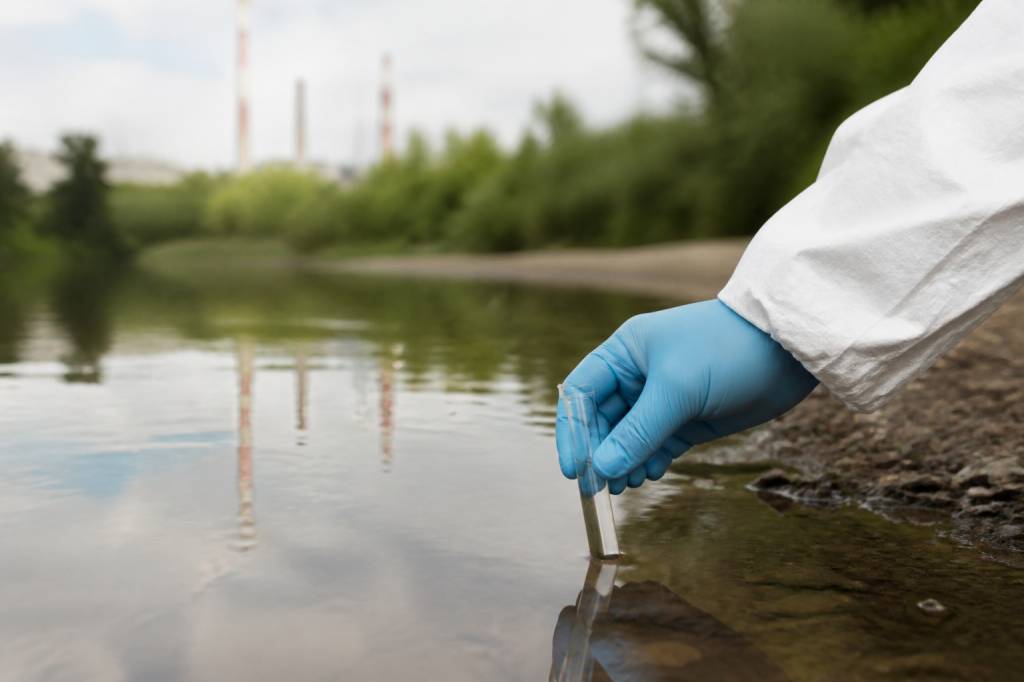
Why acute contamination matters more than many people think
When people hear about water pollution, they often picture a slow-burn problem: chemicals building up in rivers, soils, and bodies over years. That is certainly part of the story. But some of the most urgent threats are far more immediate. Acute exposure to hazardous substances in drinking water can trigger health effects within hours or days, not decades.
This matters because water contamination is not always a long-term, low-dose issue. A chemical spill upstream, a treatment failure, a flood overwhelming industrial sites, or a fire involving contaminated runoff can quickly turn a reliable water supply into a public health incident. And unlike chronic pollution, acute contamination leaves very little time for communities to react.
So what exactly counts as an acute risk? In simple terms, it is a short-term exposure to a substance at a high enough concentration to cause immediate harm. That harm might range from nausea and skin irritation to neurological symptoms, organ damage, or in the most severe cases, death. The key point is speed: the body has no time to adapt.
What makes a substance “hazardous” in water?
Not every chemical in water is equally dangerous. The risk depends on toxicity, concentration, exposure route, and how long people are exposed. A hazardous substance in water is one that can cause harm through ingestion, skin contact, or inhalation of aerosolised droplets during showering, cleaning, or industrial use.
Some pollutants are immediately irritating or poisonous. Others are less dramatic at first glance but still dangerous because they interfere with vital organs or nervous system function. Common examples include:
- Heavy metals such as lead, arsenic, and mercury
- Industrial solvents and fuel-related compounds
- Pesticides and herbicides at elevated concentrations
- Pathogens released during sewage overflows or flooding
- Acute chemical releases from factories, warehouses, or transport incidents
In recent years, PFAS have also become part of the broader contamination conversation. While PFAS are usually associated with chronic exposure, some short-term releases can create serious local risks, especially near manufacturing sites, firefighting foam use areas, or polluted groundwater hotspots. The chemistry may differ, but the principle is the same: water that looks ordinary can carry a hidden hazard.
How acute exposure shows up in real life
The most challenging thing about acute water contamination is that it often arrives without much warning. A community may have no reason to suspect a problem until people begin reporting symptoms. That delay can be costly.
Consider a few common scenarios. A chemical tanker overturns near a river intake. A stormwater system is overwhelmed and contaminated runoff enters a local reservoir. A flood submerges septic systems, livestock waste lagoons, or industrial yards. A treatment plant loses power or experiences process failure. In each case, contaminants can move quickly into drinking water systems, surface water, or private wells.
Private well users are especially vulnerable because they are often outside municipal monitoring networks. If contamination reaches a borehole or shallow aquifer, there may be no automatic alert, no warning notice, and no treatment barrier unless the household already has one installed.
And here is the uncomfortable question: how many households would know what to do if their water suddenly tasted metallic, smelled chemical, or caused immediate stomach upset? Many people would probably wait and hope for the best. Water systems do not reward that approach.
Acute health effects can appear fast
Symptoms depend on the contaminant, but acute effects often emerge within a short period after exposure. They can be mild, moderate, or severe, and they may affect different organs at once.
Common short-term effects include:
- Nausea, vomiting, or diarrhoea
- Skin, eye, or throat irritation
- Headaches and dizziness
- Abdominal pain
- Breathing difficulties after inhaling vapours or aerosols
- Confusion, weakness, or tremors in more serious poisonings
Some substances target specific systems. Lead can affect the nervous system, especially in children. Arsenic can trigger gastrointestinal distress and cardiovascular effects. Nitrates can be dangerous for infants because they interfere with oxygen transport in the blood. Certain pesticides may affect the nervous system and cause muscle weakness or seizures at high doses.
Pathogens are a different kind of acute risk. E. coli, norovirus, and other microbes can spread rapidly after sewage contamination or flooding. Unlike chemical pollution, the immediate problem may be infection rather than toxicity, but the public health consequences can still be severe.
Why rapid detection is so difficult
One reason acute contamination is dangerous is that most water systems are designed for routine conditions, not sudden shocks. Standard monitoring is valuable, but it often relies on sampling at set intervals. That can miss a contamination event if the pollutant enters the system between tests.
Even when a utility has strong monitoring in place, many contaminants are difficult to detect quickly. Some are invisible, odourless, and tasteless at harmful levels. Others may appear only after the substance has already spread through the distribution network.
Laboratory testing is highly reliable, but not instant. By the time the results come back, people may already have consumed contaminated water. That is why many response plans rely on a combination of real-time sensors, operator reports, incident tracking, and precautionary advisories.
The gap between contamination and detection is often where harm happens. In other words, the water problem is not only the pollutant itself, but the delay in knowing it is there.
Industries, storms, and infrastructure failures all play a role
Acute contamination rarely has a single cause. It is usually the result of overlapping pressures. Industrial activity increases the likelihood of hazardous releases. Extreme weather amplifies runoff, flooding, and overflow events. Aging infrastructure makes it harder to contain and treat pollution before it reaches consumers.
For example, during intense rainfall, polluted surface water can wash from roads, agricultural land, and industrial sites into rivers or groundwater recharge zones. If a treatment plant is already under strain, the system may not remove the full contaminant load. In coastal areas, storm surges can damage wastewater infrastructure and push contamination into freshwater supplies.
There is also the issue of chemical storage. Fires at warehouses, factories, or fuel depots can produce contaminated firefighting water, which then flows into drains, streams, and reservoirs. These incidents often involve mixtures of hazardous substances, making response and remediation more complex.
Public health impacts are not limited to the most severe cases
It is easy to focus on extreme poisonings, but acute contamination can affect much larger groups through more subtle pathways. Even temporary exposure may force schools, hospitals, and businesses to shut down. Families may need bottled water for cooking, drinking, and brushing teeth. Local clinics can see an increase in calls from worried residents with symptoms that may or may not be related to exposure.
There is also the psychological burden. When people lose trust in their tap water, the disruption can last long after the contamination event ends. That loss of confidence is not trivial. Water is one of the most basic public services, and uncertainty about safety changes daily behaviour in a very real way.
For vulnerable groups, the stakes are even higher:
- Infants and young children, whose bodies are more sensitive to toxins
- Pregnant people, where exposure can affect fetal development
- Older adults, who may have reduced physiological reserve
- People with liver, kidney, or immune system conditions
- Communities relying on private wells or informal water sources
What a strong response looks like
When acute contamination is suspected, speed matters. The best responses are built on clear protocols, rapid communication, and a willingness to act before all the data are in. Waiting for perfect certainty can leave people exposed.
A practical response usually includes:
- Immediate isolation of the affected source or intake
- Rapid public notification through multiple channels
- Alternative water provision, such as bottled water or tanker supplies
- Targeted sampling and confirmatory laboratory analysis
- Identification of the contamination source and transport pathway
- Follow-up health guidance for affected residents
In many cases, the first advisory is a precautionary one. That is not a sign of panic; it is a sign of responsible risk management. If officials suspect contamination, they should not wait for residents to become the test group.
Prevention is more effective than emergency response
The most effective way to manage acute water contamination is to reduce the chance of it happening in the first place. That means stronger controls on industrial discharges, safer chemical storage, better flood resilience, and modern wastewater infrastructure. It also means identifying high-risk sites before an incident occurs.
Source protection is essential. If a river, aquifer, or reservoir is located near known contamination hotspots, the system should be monitored accordingly. Land-use planning matters too. Building sensitive water infrastructure downstream of industrial clusters or flood-prone zones is not exactly a masterpiece of foresight.
Regulation plays a central role here. Clear discharge limits, strict enforcement, and transparent reporting requirements can reduce the likelihood of hazardous releases. So can better emergency planning for extreme weather, which is increasingly relevant as climate change intensifies flood and storm events.
Where water treatment and filtration fit in
Water treatment systems are the final barrier between contamination and consumption. When they are well designed and properly maintained, they can make a major difference during both routine and emergency conditions. But not every system removes every hazard equally well.
For acute chemical contamination, the treatment method must match the contaminant. Activated carbon may reduce certain organic compounds. Ion exchange can help with some dissolved contaminants. Reverse osmosis can remove a broad range of substances, including many dissolved chemicals and metals. For pathogens, disinfection and physical removal are critical.
Household filters are not a substitute for public water management, but they can provide an important extra layer of protection in some situations. The key is choosing a system that is certified for the specific contaminant of concern. A basic jug filter may improve taste, but it is not a universal solution. Water treatment is not magic; chemistry still has the final word.
For households in areas with known contamination risks, especially private wells or places near industrial sites, regular testing should guide filtration choices. Without testing, people are often filtering blind.
What residents can do if contamination is suspected
If a water supply is suddenly under suspicion, immediate action is important. The exact advice depends on the contaminant and local public health guidance, but general precautions are similar.
- Stop using tap water for drinking and cooking if told to do so
- Use bottled or officially supplied alternative water
- Avoid making baby formula unless the water source has been cleared
- Do not rely on boiling unless officials say it is appropriate; boiling can worsen some chemical risks
- Follow local alerts and test updates closely
- Contact health services if symptoms appear after exposure
It is worth repeating that boiling helps against microbes, but it does not remove many chemicals and may concentrate some of them. That distinction is essential during a contamination event. The wrong “solution” can make a bad situation worse.
Acute hazards deserve more attention in the water debate
Long-term contamination often gets the most policy attention, and rightly so. But acute exposure to hazardous substances is a serious and sometimes underestimated risk. A single incident can disrupt drinking water, sicken residents, and overwhelm local response systems in a matter of hours.
The broader lesson is straightforward: safe water depends on prevention, monitoring, and the ability to respond quickly when something goes wrong. Communities need stronger infrastructure, better source protection, and treatment systems that are fit for real-world risks, not just ideal conditions.
When contamination is sudden, the margin for error is small. That is why acute hazards should be treated not as rare anomalies, but as a central part of water safety planning. After all, clean water is not clean by accident.