


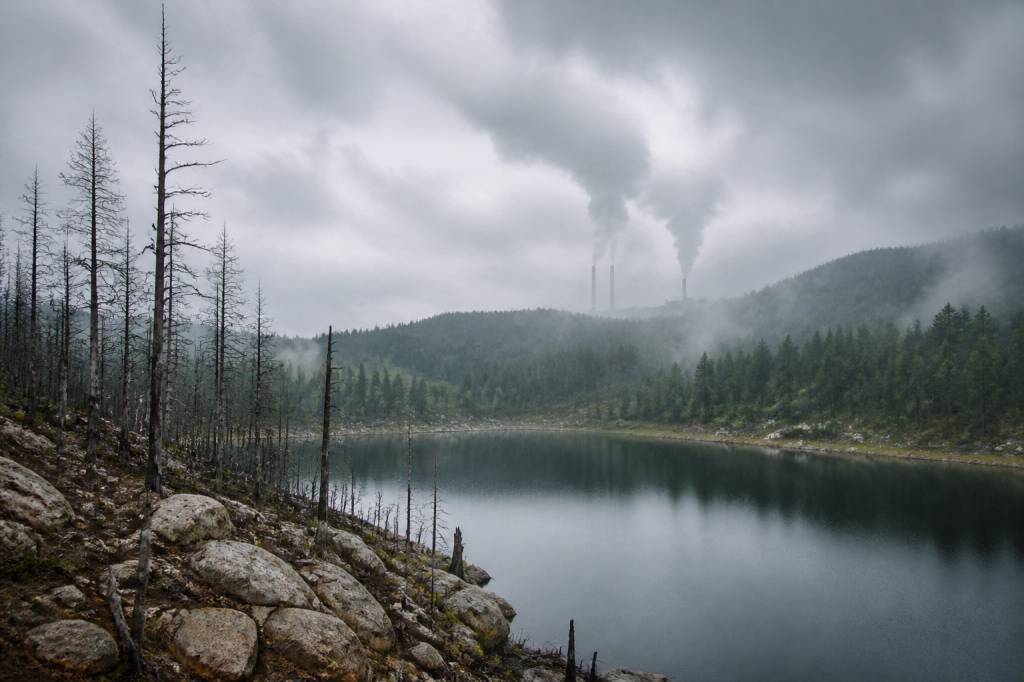
Acid rain is often associated with images of damaged forests, eroded stone buildings and polluted lakes. But its effects on water quality are less visible—and can persist long after sulphur dioxide emissions have fallen. In rivers, reservoirs and groundwater systems, the legacy of acidic deposition can influence pH, metal contamination, nutrient cycles and the cost of drinking-water treatment.
The issue is closely linked to air pollution. Sulphur dioxide (SO2) released from combustion can travel long distances before returning to the ground in rain, snow, fog or dry particles. Once deposited, it can alter the chemistry of soils and surface waters.
Although stricter air-quality rules have substantially reduced SO2 emissions in the UK and across Europe, acidification remains relevant in sensitive catchments. What causes acid rain, how does it affect water quality, and what can be done to protect aquatic ecosystems and drinking-water supplies?
What is acid rain?
Acid rain is precipitation with an unusually low pH, caused primarily by sulphur dioxide and nitrogen oxides reacting in the atmosphere. These gases are transformed into sulphuric and nitric acids before being deposited on land and water.
Normal rain is already slightly acidic because carbon dioxide dissolves in droplets and forms weak carbonic acid. Its pH is commonly around 5.6. Acid rain can have a considerably lower pH, although the exact value depends on local emissions, atmospheric chemistry and weather conditions.
Acid deposition is a broader term. It includes:
-
Wet deposition: acidic rain, snow, sleet, cloud water and fog.
-
Dry deposition: sulphur dioxide, sulphate particles and other pollutants settling directly onto soil, vegetation and water.
-
Cloud and fog deposition: particularly important in upland areas where vegetation intercepts polluted moisture.
This distinction matters because a location may receive substantial sulphur pollution even when rainfall measurements alone do not appear extreme.
How sulphur dioxide creates acid rain
Sulphur dioxide is a colourless gas with a sharp odour. It is produced when sulphur-containing fuels are burned. Historically, coal-fired power stations, industrial boilers, metal smelting and domestic coal combustion were major sources.
In the atmosphere, SO2 can be oxidised into sulphur trioxide and then combine with water to form sulphuric acid. More commonly, it is converted into sulphate particles through a series of chemical reactions involving oxidants such as hydroxyl radicals and hydrogen peroxide.
A simplified pathway looks like this:
-
Sulphur in coal or oil is oxidised during combustion.
-
Sulphur dioxide is released into the atmosphere.
-
SO2 reacts with oxygen, water and atmospheric oxidants.
-
Sulphuric acid or sulphate particles form.
-
These pollutants return to the surface through wet or dry deposition.
Wind can transport SO2 and sulphate particles across national borders. This is why acid rain has always been a regional and international issue rather than a problem confined to the location of a smokestack.
The main causes of sulphur dioxide pollution
Energy production has historically been the largest source of anthropogenic SO2 emissions. Coal and heavy fuel oil contain varying amounts of sulphur, and combustion converts much of that sulphur into sulphur dioxide.
Other important sources include:
-
Industrial processes such as metal smelting and petroleum refining.
-
Shipping, particularly vessels using high-sulphur marine fuels.
-
Diesel and oil-fired heating systems.
-
Small-scale combustion of coal, peat, wood or waste.
-
Volcanic eruptions and other natural sources.
Volcanoes can release very large quantities of sulphur dioxide, but human activities have driven persistent regional acidification over many decades. In the UK, the transition away from coal, flue-gas desulphurisation, cleaner fuels and stricter legislation have reduced emissions dramatically since the late twentieth century.
That progress is significant, but it does not mean that all affected waters recover quickly. Aquatic systems have different chemical memory. Some respond within years; others remain vulnerable because their soils and bedrock have lost much of their neutralising capacity.
Why some waters are more vulnerable than others
Acid rain does not damage every lake or river to the same extent. The key factor is the landscape’s ability to neutralise incoming acids, known as its acid-neutralising capacity or alkalinity.
Catchments underlain by limestone and other carbonate-rich rocks generally have greater buffering capacity. As acidic water moves through these rocks, minerals dissolve and help neutralise the acidity. A simplified example is the reaction between acid and calcium carbonate, which produces calcium ions, carbon dioxide and water.
By contrast, upland areas with thin soils and granite, sandstone or other acidic bedrock may offer little natural protection. Scottish lochs, Welsh uplands and parts of northern England have historically been particularly sensitive to acid deposition. Peatlands can also be vulnerable, although their chemistry is complex and influenced by waterlogging, organic acids and land management.
Vegetation, soil depth and drainage patterns also matter. A forested catchment may capture more dry deposition than an open landscape. During heavy rainfall, stored sulphur and other ions can be flushed rapidly into streams—a phenomenon sometimes called an acidic episode.
Effects of acid rain on rivers and lakes
The most direct effect is a reduction in pH. Many freshwater organisms can tolerate moderate changes, but sensitive species may be affected when pH falls below their normal range or when acidity changes rapidly.
Acidification can:
-
Reduce the survival and reproduction of fish such as salmon and trout.
-
Damage the eggs and larvae of aquatic species.
-
Alter the abundance of invertebrates that form the base of aquatic food webs.
-
Reduce plankton diversity and change lake productivity.
-
Disrupt amphibian development and breeding habitats.
Fish may be harmed directly by acidic water, but another mechanism is often even more important: the mobilisation of toxic metals. As pH falls, aluminium bound to soils can become more soluble and enter streams and lakes. Dissolved aluminium can interfere with fish gill function, reducing their ability to regulate salts and absorb oxygen.
A stream can therefore become dangerous to fish even when the water does not look polluted. Clear water is not necessarily chemically safe water—a useful reminder for anyone tempted to judge a river by appearance alone.
How acid rain affects drinking-water quality
Acid deposition can influence drinking-water sources in several ways. Lower pH may increase the dissolution of metals from soil, sediment, pipes and treatment infrastructure. Aluminium, iron, manganese, copper, lead and other metals may become more mobile depending on local geology and water chemistry.
Acidic source water can also be corrosive. If it enters a distribution network without adequate treatment, it may accelerate the release of metals from plumbing materials. Lead contamination is a particular concern where older lead service pipes or fittings remain in use.
Water companies routinely adjust water chemistry to control corrosion. Treatment may include pH correction, alkalinity adjustment, aeration, coagulation, filtration and disinfection. The exact approach depends on the source water and the contaminants present.
Acidification can also affect treatment performance. Changes in pH influence coagulation, the behaviour of natural organic matter and the formation of disinfection by-products. Treatment operators must therefore manage acidity as part of a wider chemical system, not as an isolated measurement.
For private wells, monitoring is especially important. A household may not receive the same routine testing as customers connected to a public supply. Well owners in areas with acidic soils, historical industrial activity or metal plumbing should consider periodic testing for pH, alkalinity, sulphate, aluminium, iron, manganese, lead and other locally relevant contaminants.
Sulphate, acid mine drainage and water pollution
Sulphur pollution does not only arrive from the atmosphere. Mining can create a related problem known as acid mine drainage. When sulphide minerals such as pyrite are exposed to oxygen and water, they generate sulphuric acid. The resulting drainage can carry high concentrations of iron, aluminium and other metals into nearby rivers.
Abandoned coal mines and metal mines may continue producing acidic drainage long after extraction has stopped. In these settings, the chemistry can be severe: orange iron deposits coat streambeds, aquatic habitats become degraded and metal concentrations may exceed environmental standards.
Acid rain can compound this problem by adding further sulphur and reducing the buffering capacity of already sensitive catchments. Separating atmospheric acid deposition from mining-related acidity is important for selecting the right remedy, but both demonstrate the same principle: sulphur chemistry can change how metals move through the water environment.
Has acid rain disappeared?
No. The most severe episodes have declined in many parts of Europe and North America, but acid deposition remains a concern in sensitive ecosystems and in regions where coal combustion, industrial emissions or shipping remain significant.
Recovery is also uneven. Lakes and soils may take decades to rebuild their stores of base cations such as calcium and magnesium. In some forested catchments, a process known as soil acidification has depleted these reserves. Even with cleaner air, the ecosystem may remain vulnerable during droughts, storms or high-flow events.
Climate change adds further uncertainty. More intense rainfall can flush stored pollutants into streams, while drought can concentrate dissolved substances and stress aquatic organisms. Wildfires may also alter soils and release ash, nutrients and metals into watersheds. Acid rain is not a standalone issue; it interacts with a changing climate and multiple forms of land-use pressure.
How acid rain is monitored
Effective monitoring combines atmospheric, soil and water measurements. Scientists and regulators may track:
-
SO2 concentrations in ambient air.
-
Sulphate and nitrate in rainfall and cloud water.
-
pH, alkalinity and electrical conductivity in rivers and lakes.
-
Calcium, magnesium, aluminium, iron and other dissolved metals.
-
Biological indicators such as fish populations, aquatic insects and diatoms.
-
Changes in soil chemistry and forest health.
Long-term records are particularly valuable. A single sample may capture a dry day or a recent storm, but decades of data reveal whether a catchment is recovering, remaining stable or becoming more vulnerable.
Reducing sulphur dioxide and protecting water
The most effective solution is to prevent SO2 emissions before they enter the atmosphere. Key measures include replacing high-sulphur fuels, improving energy efficiency, expanding renewable energy, installing flue-gas desulphurisation and enforcing emissions standards.
International agreements have played a major role. In Europe, the Convention on Long-range Transboundary Air Pollution and subsequent controls on sulphur emissions helped reduce cross-border pollution. The UK’s Clean Air Strategy and industrial emissions rules continue to support further reductions.
Local restoration can support affected waters while emission controls take effect. Depending on the catchment, interventions may include liming acidic lakes or streams, restoring peatlands, reducing further soil disturbance and treating mine drainage. Liming can raise pH and protect aquatic life, but it is not a substitute for controlling the original pollution source. Applied incorrectly, it may create sudden chemical changes or mask ongoing acidification.
What this means for PFAS and water protection
Acid rain and PFAS are different environmental problems. Sulphur dioxide drives acidity and sulphate deposition, while PFAS are highly persistent fluorinated chemicals used in many industrial and consumer applications. Acid rain does not remove PFAS, and PFAS contamination does not cause acid rain.
However, both issues show why water quality management must consider the whole catchment. Changes in pH, dissolved organic matter and metal concentrations can affect treatment processes and contaminant behaviour. A water source should not be assessed using a single parameter or a single contaminant group.
For communities, the practical priorities are clear: maintain robust source-water monitoring, control industrial emissions, test private wells where risks exist and use treatment systems designed for the contaminants actually present. Activated carbon, ion exchange and high-pressure membranes can be relevant for PFAS, but they do not replace pH and corrosion control for acidic water.
Acid rain may no longer dominate environmental headlines as it did in the 1980s, yet its chemical legacy remains in soils, lakes and groundwater systems. Understanding the link between sulphur dioxide, acidity and metal mobility is essential for protecting aquatic ecosystems—and for ensuring that the water coming from a tap is safe, stable and properly treated.
Further reading: UK government air-quality data, the UK Environment Agency, the European Environment Agency and the US Environmental Protection Agency provide reliable information on sulphur dioxide emissions, acid deposition and aquatic impacts.