

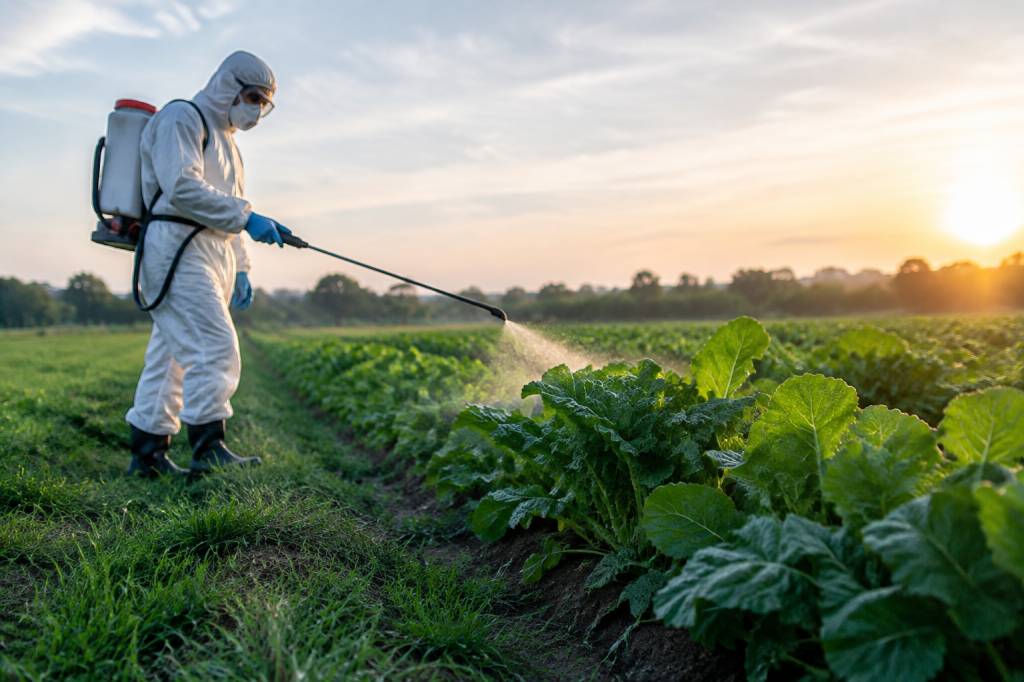
“Dirty Dozen” sounds like the name of a list of dangerous chemicals. It is not. The term usually refers to an annual list of fruit and vegetables that the US Environmental Working Group (EWG) identifies as having relatively frequent pesticide residues in its analysis of government testing data. The distinction matters: a residue finding does not, by itself, show that food is unsafe, nor does the list measure the risk from every pesticide or every meal.
Still, pesticide use raises real questions about health, water quality and how to reduce exposure. Here is what the Dirty Dozen can—and cannot—tell you, why pesticides sometimes reach drinking water, and what practical steps make a difference.
What is the Dirty Dozen?
EWG publishes its list using results from the US Department of Agriculture’s Pesticide Data Program. Samples are tested after they have been prepared in ways intended to reflect how people commonly eat them, such as washing or peeling where appropriate. The list ranks produce according to residue patterns in the tested samples. Its exact contents can change from year to year.
It is not an official food-safety ranking, and it does not mean that every item on the list carries the same level of risk. Nor is “the Dirty Dozen” a formal list of 12 pesticides. It is a consumer-facing interpretation of food-residue data, and its ranking method has been debated by scientists and regulators.
Most importantly, detecting a pesticide is not the same as finding a harmful dose. Regulatory limits, known as maximum residue levels, are set for particular chemicals and foods. A result below a legal limit does not mean exposure is literally zero; it means it falls within the applicable standard. Risk depends on factors such as the pesticide, the amount and frequency of exposure, and a person’s age and health.
Why pesticide exposure matters
Pesticides are a broad group of substances designed to control pests, weeds or plant diseases. They do not share one common health effect. Some can irritate skin or eyes at high exposure; others may affect the nervous system, hormones or development. The evidence varies considerably between chemicals and exposure levels.
People who handle or apply pesticides at work can face different, often higher, exposure than consumers who eat treated produce. Children may be more vulnerable to some chemicals because their bodies are developing and they can receive a greater dose relative to body weight. These differences are why a detection in food should be interpreted in context—not treated as proof of harm, but not dismissed as meaningless either.
Researchers study possible links between pesticide exposure and outcomes such as neurological effects, reproductive health and certain cancers. Results can be difficult to interpret: people encounter mixtures of chemicals, exposure is challenging to measure over many years, and factors such as occupation and diet can affect the findings. Reliable assessments therefore consider a specific pesticide, route of exposure and dose, rather than treating all pesticides as interchangeable.
How pesticides can reach water
After application, pesticides may move off fields in rainwater or irrigation runoff, seep through soil into groundwater, or drift beyond the area being treated. The likelihood depends on the chemical’s properties, how it is applied, soil type, weather and the distance to rivers, wells or reservoirs. A heavy downpour shortly after spraying, for example, can carry residues into nearby waterways.
Water companies monitor and treat public supplies, but the challenge is not identical everywhere. Some pesticides break down relatively quickly; others or their breakdown products may persist. Private wells can require particular attention because they may not receive the same routine monitoring and treatment as a public supply. If you use a private well near farmland, ask your local authority or a qualified laboratory about appropriate testing.
In the UK, drinking-water rules include pesticide parametric values. The standard is generally 0.1 micrograms per litre for an individual pesticide and 0.5 micrograms per litre for total pesticides, with specific exceptions in the regulations. These are compliance values for drinking water, not a prediction that every detection causes illness. The Drinking Water Inspectorate publishes information on water quality and regulatory requirements.
Testing and treatment are important, but prevention at source matters too. Reducing unnecessary pesticide use, managing runoff and protecting water-source catchments can limit the amount that reaches treatment works in the first place.
Are pesticides linked to PFAS?
Some pesticides contain fluorinated chemical structures, and certain pesticides or their breakdown products have been discussed in research on persistent fluorinated substances. But “pesticide” and “PFAS” are not synonyms. Many pesticides are not PFAS, and PFAS contamination has other sources, including industrial processes, firefighting foams and consumer products.
One issue researchers are investigating is trifluoroacetic acid (TFA), a persistent, highly mobile compound that can form when some fluorinated chemicals break down. Potential sources are varied, and attributing a particular detection to one product or activity can be difficult. A water test that reports “pesticides” may not necessarily test for every PFAS or for TFA. Ask what substances the test covers before interpreting the result.
This distinction is useful for consumers: a Dirty Dozen produce list cannot tell you whether your tap water contains PFAS, and a standard pesticide screen may not answer that question either. Different contaminants require different analytical methods.
Does washing produce reduce exposure?
Washing fruit and vegetables under clean running water can remove dirt and reduce some surface residues. Rub firm produce with your hands or a clean produce brush. Remove outer leaves from leafy vegetables, and peel when appropriate—although peeling can also remove fibre and nutrients. Washing will not reliably remove every pesticide, especially substances that have been absorbed into the plant.
Do not wash produce with soap, detergent or household bleach. These products are not intended for food and may leave residues of their own. A simple rinse is practical, quick and safer than an improvised chemical wash.
Cooking can reduce some residues, but the effect varies by pesticide and cooking method. It is not a dependable substitute for good agricultural controls or careful handling. Likewise, organic produce may reduce exposure to some synthetic pesticides, but organic farming can use approved pesticides too, and organic certification does not mean “pesticide-free.”
Ways to reduce exposure without losing perspective
-
Eat a varied diet. Rotating the types of fruit and vegetables you buy can reduce repeated exposure to residues associated with one particular crop. The nutritional benefits of eating produce remain substantial.
-
Wash produce under running water before eating or preparing it. Follow food-safety advice for each item, and keep raw produce separate from surfaces or utensils used for raw meat.
-
Check the evidence behind a list. Find out which samples were tested, how they were prepared, what the ranking measures and whether the source explains uncertainty. A headline alone rarely provides those details.
-
If you choose organic food, use it as one option rather than a requirement for a healthy diet. Cost, availability and personal circumstances matter; conventional fruit and vegetables are still an important part of a balanced diet.
-
If you work with pesticides, follow the product label, wear the required protective equipment and use safe storage and disposal practices. Occupational exposure is best reduced through training and controls, not by relying on food washing.
-
If you rely on a private well, ask a competent local service which pesticides are relevant to your area and how often testing is recommended. Use an accredited laboratory and check whether the test includes the substances you are concerned about.
-
For tap-water concerns, contact your water supplier or consult the relevant regulator’s water-quality information. Choose a treatment system only after identifying the contaminant: filters differ in what they can remove, and maintenance is essential.
What filtration can—and cannot—do
Activated carbon and reverse osmosis can reduce certain contaminants when a system is appropriately designed, installed and maintained. Performance depends on the specific chemical, filter media, contact time and water conditions. A product that claims to reduce chlorine taste, for example, should not automatically be assumed to remove pesticides or PFAS.
Look for independent certification that names the contaminant reduction being claimed, rather than relying on broad phrases such as “purifies water.” Replace cartridges on schedule: a spent filter can lose effectiveness, and poorly maintained equipment can create other water-quality problems. If testing has found a contaminant in your supply, follow advice from the water provider or public-health authority before deciding on treatment.
Read the list, but look beyond the label
The Dirty Dozen can prompt useful questions about pesticide use and food monitoring, but it is not a personalised health-risk assessment. A residue detection does not establish that a meal is dangerous, and the list cannot tell you what is in your local river, private well or tap water. Those questions need targeted evidence: reliable monitoring, chemical-specific risk assessments and tests designed for the contaminant in question.
For most people, a sensible approach is straightforward: keep eating a range of fruit and vegetables, wash them with clean water, and seek local advice when there is a specific concern about drinking water or workplace exposure. Better information—and reducing pollution before it reaches waterways—does more than a frightening headline ever can.