

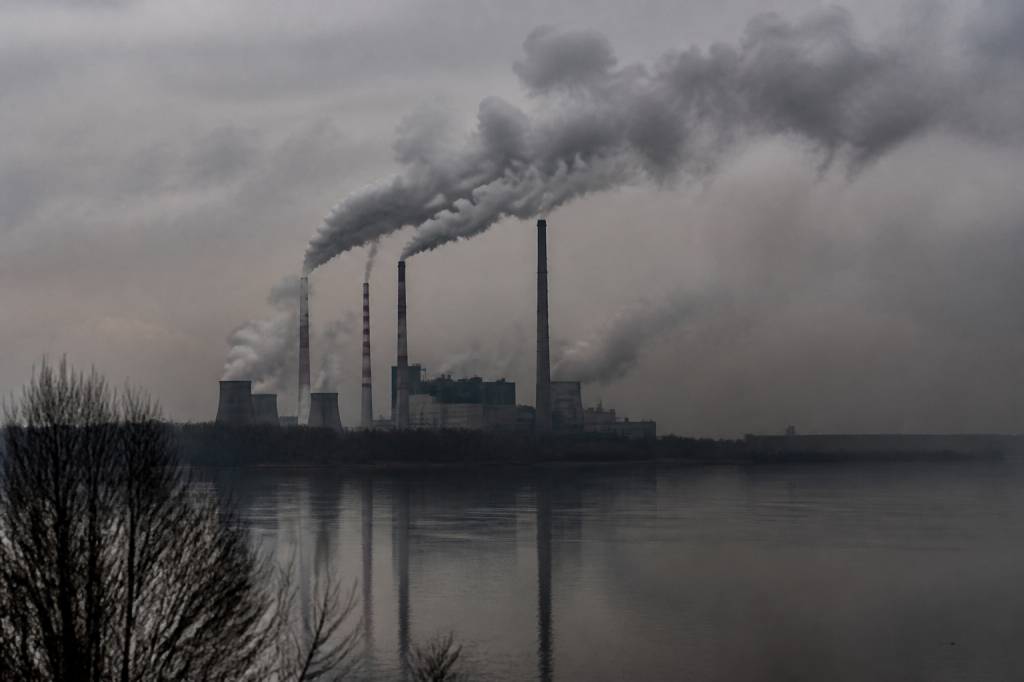
When people ask, “Which gas causes acid rain?”, the shortest answer is sulfur dioxide (SO2). But that answer is only part of the story. Nitrogen oxides (NOx)—particularly nitrogen dioxide (NO2)—also play a major role in creating acidic precipitation.
These gases are released mainly by burning fossil fuels and, in smaller quantities, by natural processes. Once in the atmosphere, they react with oxygen and water vapour to form acids. Those acids can return to Earth in rain, snow, fog, dust, or dry particles, affecting lakes, soils, forests, buildings, and human health.
Understanding the chemistry matters because acid rain is not simply “polluted rain”. It is the result of atmospheric reactions that can transport pollution hundreds or even thousands of kilometres from its original source.
The main gas behind acid rain: sulfur dioxide
Sulfur dioxide is the most commonly associated gas with acid rain. It is a colourless gas with a sharp odour, although people may not always detect it before concentrations become harmful. SO2 is released when sulfur-containing fuels and materials are burned.
The largest historical sources have included:
- Coal-fired power stations
- Oil and gas combustion
- Metal smelting and refining
- Industrial boilers
- Petroleum refineries
- Ships using high-sulfur marine fuels
Coal naturally contains varying amounts of sulfur. When coal is burned, the sulfur combines with oxygen to produce sulfur dioxide. In the atmosphere, SO2 can be further oxidised into sulfur trioxide (SO3). The sulfur trioxide then reacts with water to form sulfuric acid (H2SO4).
A simplified version of the process is:
Sulfur dioxide + oxygen + water → sulfuric acid
Sulfuric acid can dissolve in cloud droplets or attach to airborne particles. If those droplets fall as rain or snow, the result is known as wet deposition. If acidic particles and gases settle directly onto surfaces without precipitation, it is called dry deposition.
Nitrogen oxides also create acids in the atmosphere
Sulfur dioxide is not the only culprit. Nitrogen oxides, commonly written as NOx, are a family of reactive gases that includes nitric oxide (NO) and nitrogen dioxide (NO2).
NOx forms whenever combustion takes place at high temperatures. The nitrogen may come from the fuel, but much of it comes from the nitrogen naturally present in the air. Major sources include:
- Cars, vans, lorries, and buses
- Gas- and coal-fired power stations
- Industrial furnaces
- Aircraft and shipping
- Construction and agricultural machinery
- Domestic and commercial heating systems
During combustion, nitrogen and oxygen react to form nitric oxide. In the atmosphere, nitric oxide is converted into nitrogen dioxide. NO2 can then react with hydroxyl radicals, oxygen, and water to produce nitric acid (HNO3).
The simplified pathway is:
Nitrogen oxides + oxygen + water → nitric acid
Nitric acid is an important component of acid deposition. In many urban and traffic-dominated regions, nitrogen oxides can be the leading contributor to acidity, particularly where sulfur emissions have been reduced significantly.
Is acid rain caused by one gas or several?
The scientifically accurate answer is that acid rain is caused primarily by sulfur dioxide and nitrogen oxides. Sulfur dioxide has historically been the dominant source in areas reliant on high-sulfur coal, while NOx has become increasingly important as vehicle traffic and combustion from gas and other fuels have grown.
The relative contribution depends on location, fuel use, weather, industrial activity, and pollution controls. A region near a coal-fired power station may experience a stronger sulfur signal. An area close to busy roads may receive more nitrogen-derived acidity.
Other atmospheric compounds can influence acidity, but they are not usually considered the principal gases responsible for acid rain. Carbon dioxide, for example, dissolves in water to form weak carbonic acid. This is a natural process that gives unpolluted rain a mildly acidic pH, typically around 5.6. It is not the same as the much stronger acidification associated with sulfuric and nitric acids.
This distinction is important. Rain is not expected to have a neutral pH of 7. The atmosphere naturally contains carbon dioxide, and rainwater absorbs it as it falls. Acid rain refers to precipitation that has become significantly more acidic because of human-generated pollutants, especially SO2 and NOx.
How acidic is acid rain?
The pH scale measures acidity. It is logarithmic, meaning that a change of one pH unit represents a tenfold change in hydrogen ion concentration.
- Pure water has a pH close to 7.
- Natural rain is usually mildly acidic, with a pH near 5.6.
- Acid rain is often defined as precipitation with a pH below approximately 5.0 to 5.6, depending on the monitoring framework.
- Heavily polluted precipitation can have a pH closer to 4 or even lower in exceptional circumstances.
A rainstorm with a pH of 4 is not merely “a little more acidic” than rain with a pH of 5. It contains roughly ten times more hydrogen ions. That chemical difference can matter greatly to sensitive ecosystems.
However, pH is not the only measure that matters. The total amount of sulfate, nitrate, ammonium, and other deposited substances also influences environmental damage. A single pH reading cannot describe the entire impact of atmospheric pollution.
What happens after sulfur dioxide and NOx are released?
Acid-forming gases do not necessarily remain close to their source. Wind can transport SO2 and NOx across national borders and long distances. This is why acid rain has historically been a major transboundary pollution issue in Europe and North America.
Clouds provide an especially important chemical environment. Pollutant gases dissolve into tiny water droplets, where oxidation reactions can occur. Sunlight, ozone, hydrogen peroxide, and other oxidising substances help convert sulfur dioxide and nitrogen oxides into sulfate and nitrate compounds.
The resulting acidic material can return to the surface in several forms:
- Rain and snow: acidic compounds dissolve in precipitation.
- Fog and cloud water: vegetation at high elevations can intercept highly acidic droplets.
- Dry particles: sulfate and nitrate particles settle on soil, water, buildings, and plant surfaces.
- Gases: SO2 and NO2 can be absorbed directly by surfaces or vegetation.
Dry deposition is sometimes overlooked because there is no dramatic acid rain event. Yet over time, it can deliver substantial quantities of sulfur and nitrogen to an ecosystem. The pollution may later be washed into streams during rainfall.
Why acid rain harms lakes and rivers
The impact of acid deposition depends partly on the natural geology of an area. Regions with limestone or other alkaline rocks may be better able to neutralise acids. This buffering capacity acts like a chemical shield.
In areas with thin soils and granite or other acid-sensitive bedrock, lakes and streams may be far more vulnerable. As acidic water moves through the soil, it can release aluminium. Dissolved aluminium may then enter waterways, where it can damage the gills of fish and interfere with their ability to absorb oxygen and salts.
Acidification can also reduce the availability of essential nutrients and disrupt aquatic food webs. Fish eggs and young fish are often particularly sensitive. Some lakes may lose species gradually, not because every organism dies immediately, but because reproduction fails over several seasons.
In the United Kingdom, upland areas with thin soils and low natural buffering capacity have been among the ecosystems affected by acid deposition. Acidification does not always produce visibly dramatic changes. A clear mountain stream may still be chemically stressed.
Effects on forests, soils, and plants
Acid deposition can affect forests in direct and indirect ways. Acidic compounds may leach calcium, magnesium, and potassium from soils—nutrients that trees need for healthy growth. Acidification can also mobilise aluminium, which may damage roots.
At high elevations, trees can be exposed to acidic cloud and fog droplets that remain on needles and leaves. This can interfere with nutrient uptake and make vegetation more vulnerable to cold weather, drought, pests, and disease.
It would be misleading to blame acid rain for every instance of forest decline. Air pollution interacts with climate stress, soil conditions, insects, pathogens, and land management. Environmental damage is usually the result of several pressures acting together.
Damage to buildings and cultural heritage
Acid deposition also affects the built environment. Sulfuric and nitric acids can react with limestone, marble, concrete, and some metals. Over time, these reactions can erode surfaces, weaken materials, and accelerate corrosion.
Historic buildings and monuments made from carbonate stone are particularly vulnerable. Sulfur dioxide can react with calcium carbonate in limestone to form gypsum. The gypsum may wash away or trap dark particles, contributing to surface loss and black crust formation.
That is more than an aesthetic concern. Restoration of historic structures can be expensive, and the damage may be irreversible. A carved detail that has weathered away cannot simply be filtered back into existence.
Can acid rain affect human health?
Acid rain itself is not usually dangerous to people when it falls on skin or clothing. It is much weaker than concentrated acids used in laboratories or industry. The main health concern is the pollution that creates acid deposition, particularly sulfur dioxide, nitrogen dioxide, and fine particulate matter.
These pollutants can irritate the airways and worsen asthma, chronic obstructive pulmonary disease, and other respiratory conditions. Sulfate and nitrate particles formed in the atmosphere can be small enough to enter deep into the lungs. Fine particulate pollution is associated with cardiovascular and respiratory health risks.
Reducing acid rain therefore delivers benefits beyond protecting lakes and forests. The same emission controls that reduce SO2 and NOx can improve air quality in towns and cities.
How emissions of SO2 and NOx have been reduced
Acid rain levels have fallen substantially in many regions since the late twentieth century. This progress has not happened by accident. It has resulted from regulation, cleaner fuels, improved technology, and international cooperation.
Key measures include:
- Flue-gas desulfurisation, often called scrubbers, at industrial and power facilities
- Low-sulfur fuels and cleaner shipping fuels
- Switching from coal to lower-emission energy sources
- Vehicle catalytic converters
- NOx controls in power stations and industrial combustion
- Energy-efficiency improvements
- Expansion of renewable electricity and electrified transport
- Cross-border air pollution agreements and emissions reporting
In the United Kingdom, controls developed through national policy and European air-quality frameworks have helped reduce sulfur dioxide emissions sharply compared with historical levels. Monitoring by organisations such as the UK Environment Agency and national air-quality networks continues to track sulfur and nitrogen pollution.
International agreements remain essential because atmospheric pollution does not stop at a border. The UNECE Convention on Long-range Transboundary Air Pollution is one important example of cooperation designed to reduce pollutants that travel between countries.
What can monitoring tell us today?
Scientists monitor rainfall chemistry, lake and stream acidity, soil composition, atmospheric gases, and particulate matter. Long-term records are particularly valuable because ecosystems can respond slowly to changes in deposition.
A fall in sulfur dioxide emissions does not instantly restore every damaged lake or forest. Some soils have lost their buffering capacity, and biological recovery may take decades. Nitrogen deposition can also continue to cause problems even where sulfur pollution has declined.
This is a useful reminder that environmental recovery is often slower than environmental damage. Cutting emissions is the essential first step, but restoration may require sustained monitoring and, in some cases, carefully managed interventions.
The practical answer
So, which gas causes acid rain? The most direct answer is sulfur dioxide (SO2). But a complete scientific answer must include nitrogen oxides (NOx), which form nitric acid and contribute significantly to acid deposition.
Both gases are produced mainly by combustion and industrial activity. Once released, they undergo atmospheric reactions that create sulfuric and nitric acids. These compounds return to the ground through rain, snow, fog, particles, and direct dry deposition.
The issue also illustrates a broader environmental principle: one pollutant can create several connected risks. Reducing SO2 and NOx protects water quality, soils, forests, wildlife, historic buildings, and human health at the same time. Cleaner air is not only easier to breathe—it is also less chemically destructive to the world around us.