

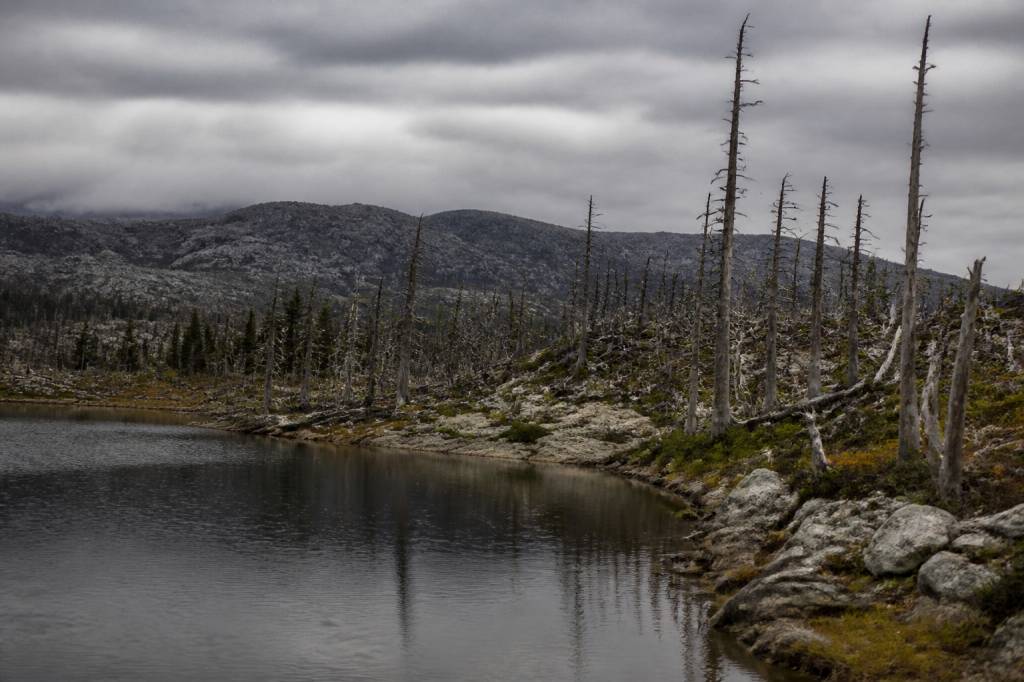
Acid rain is one of those environmental problems that sounds almost old-fashioned until you look at what it still does to forests, lakes, buildings, soils, and water quality today. It is not a dramatic, single-event disaster. It is a slow chemical pressure applied over months and years, which is exactly why it can be so damaging. The effects are often invisible at first, but they accumulate quietly in ecosystems that were never designed to absorb that level of acidity.
For readers concerned about environmental health, acid rain matters for more than trees and statues. It can alter how nutrients move through soil, weaken aquatic habitats, and mobilise toxic metals such as aluminium into waterways. In other words, it is not just a “rain problem.” It is a chemistry problem with ecological consequences.
What acid rain actually is
Acid rain is a broad term for precipitation that has become more acidic than normal because it contains sulfuric acid and nitric acid. These acids form in the atmosphere when sulfur dioxide (SO2) and nitrogen oxides (NOx) react with water vapour, oxygen, and other compounds. The result can fall as rain, snow, fog, or even settle as dry acidic particles.
Normal rain is already slightly acidic because carbon dioxide in the air dissolves into water, forming weak carbonic acid. On the pH scale, clean rain is usually around 5.6. Acid rain is generally lower than that, sometimes significantly lower in polluted regions.
And yes, “rain” is a bit of a shorthand. Acid deposition includes:
- Wet deposition such as rain, snow, sleet, and fog
- Dry deposition such as acidic gases and particles that later wash into soil and water
This matters because a dry day can still deliver acidic pollutants. The atmosphere, inconveniently, does not respect our weather forecasts.
What causes acid rain?
The main drivers are human-made emissions from burning fossil fuels. When coal, oil, and some industrial fuels are combusted, they release sulfur dioxide and nitrogen oxides into the air. These gases then travel long distances, sometimes crossing borders before they are transformed into acids and deposited far from the original source.
Major sources include:
- Power plants and industrial boilers
- Vehicle exhaust, especially from diesel and older engines
- Metal smelting and refining
- Shipping and heavy fuel combustion
- Some agricultural emissions that contribute to nitrogen oxide formation indirectly
Natural processes can also release acidic compounds, including volcanic eruptions, wildfires, and lightning-generated nitrogen oxides. But in most heavily affected regions, the historical and current burden has been dominated by industrial emissions.
That distinction matters because it means acid rain is not simply a “natural cycle.” It is largely a by-product of energy systems and transport choices. Change the emissions, and the problem changes too.
How acid rain affects soil and forests
Soil is not just dirt. It is a chemically active living system that stores nutrients, buffers acidity, and supports plant growth. When acid rain falls repeatedly, it can overwhelm the soil’s buffering capacity. That leads to several interconnected problems.
First, acidic deposition can leach important nutrients such as calcium, magnesium, and potassium from the soil. These nutrients are essential for plant health. When they are washed away, trees and crops become more stressed and less resilient.
Second, acidity can release aluminium from soil minerals. In its dissolved form, aluminium becomes toxic to many plant roots. It interferes with root growth, making it harder for plants to absorb water and nutrients. This is one reason acidified forests can show stunted growth or canopy damage over time.
Third, acid rain can weaken the natural microbial communities in soil. Those microbes are responsible for decomposing organic matter and cycling nutrients. If that system becomes less stable, the entire ecosystem becomes less efficient.
Forests in high-elevation or thin-soil regions are especially vulnerable because they often have limited buffering capacity. Needles, leaves, and bark may show direct stress, but the deeper issue is usually below ground, where the chemistry has shifted in ways that are hard to reverse quickly.
One of the most important ecological facts about acid rain is this: trees do not “fall victim” to acidity alone. They are often weakened by a combination of nutrient loss, root injury, cold stress, pests, and drought. Acid rain may not be the only pressure, but it can be the one that tips a stressed ecosystem over the edge.
What happens to lakes, rivers, and aquatic life
Water bodies are among the clearest places to see acid rain impacts. Lakes and streams can become more acidic when runoff carries acidic compounds from surrounding land into the water. Some regions with naturally resistant bedrock may be less affected, while others with thin soils and granite geology can acidify rapidly.
As pH drops, fish, amphibians, and invertebrates face increasing stress. Species differ in sensitivity, but many aquatic organisms struggle when water becomes too acidic. Eggs may not hatch properly, gill function can be impaired, and survival rates can fall. In severe cases, whole food webs are altered.
There is also the aluminium connection again. Acidified water can mobilise aluminium from soils and sediments, and dissolved aluminium can damage fish gills. That creates a double burden: the water is chemically harsher, and it may also carry a toxic metal that compounds the problem.
Some lakes have shown recovery after emissions controls reduced acid deposition, which is encouraging. But recovery is not always fast. In watersheds where soils have been depleted of base nutrients, the system may remain sensitive for years or decades even after air quality improves.
For communities that rely on surface waters for drinking water, irrigation, or recreation, acidification can also complicate treatment and management. It is not only an ecological issue; it is a resource management issue.
Effects on buildings, monuments, and infrastructure
Acid rain is not selective. It also reacts with human-made materials, especially limestone, marble, and concrete. That is why statues, historical buildings, and stone facades can slowly erode in polluted areas.
Acids react with calcium carbonate in stone, causing the material to dissolve or weaken over time. Metals can also corrode faster when exposed to acidic moisture and associated pollutants. The result is surface pitting, discoloration, and structural degradation.
This damage may seem cosmetic at first, but preservation experts know better. Heritage buildings are part of cultural memory, and acid deposition has been a serious concern for historic sites around the world.
It is a reminder that air pollution does not stay in the sky. It lands on architecture, landscapes, water systems, and the materials we build our societies with.
Why acid rain is a public health issue too
Acid rain itself is not usually the direct health threat people imagine. You are not likely to step outside and feel “acid rain” on your skin in the way movies might suggest. The bigger health concern lies in the pollutants that create it.
Sulfur dioxide and nitrogen oxides contribute to respiratory irritation and can aggravate asthma and other lung conditions. They also help form fine particulate matter and ground-level ozone, both of which are associated with cardiovascular and respiratory risks.
So when we talk about acid rain, we are really talking about a broader emissions profile that affects air quality, water quality, and ecosystem health at the same time.
That overlap is important for environmental policy. Reducing SO2 and NOx emissions delivers multiple benefits at once: cleaner air, less acid deposition, and healthier ecosystems.
How acid rain has changed over time
One of the success stories in environmental regulation is the reduction of acid rain in parts of North America and Europe. Stronger emissions standards, cleaner fuels, flue-gas desulfurisation systems, and tighter vehicle controls have significantly reduced sulfur emissions in many regions.
That progress matters. It shows that acid rain is not an unsolvable problem. When governments, industry, and regulators act on emissions, the environment can recover—sometimes slowly, but measurably.
Still, not every region has seen the same progress. Rapid industrial growth, uneven regulation, coal dependence, and shipping emissions continue to create acid deposition hotspots in some parts of the world. And because pollutants travel, one country’s emissions can affect another country’s ecosystems. Air pollution, as ever, ignores political boundaries with impressive consistency.
What can be done to reduce acid rain?
The most effective solutions target the source of the problem: SO2 and NOx emissions. Once those emissions fall, acid deposition drops too. That makes prevention far more effective than trying to repair ecosystems after damage has accumulated.
Key strategies include:
- Switching from coal and other high-sulfur fuels to cleaner energy sources
- Installing scrubbers and emissions control technologies at power plants and industrial facilities
- Improving vehicle efficiency and tightening exhaust standards
- Reducing shipping emissions through cleaner fuels and operational controls
- Expanding renewable energy and electrification to cut fossil fuel combustion
Policy tools also matter. Emissions caps, monitoring requirements, and enforcement frameworks have been central to successful acid rain reduction in several countries. Science-based regulation is not bureaucracy for its own sake; it is often the mechanism that turns good intentions into measurable environmental recovery.
Can damaged ecosystems recover?
Sometimes, yes. But recovery depends on the extent of the damage, the geology of the region, and how long the system was exposed.
In lakes, reducing emissions can gradually allow pH to rise and fish populations to rebound. In forests, nutrient replenishment and lower acid loading can help, although soils may remain depleted for some time. In highly sensitive watersheds, recovery can be slower than expected because the soil’s buffering minerals have already been stripped away.
In some cases, managers have added lime to acidified lakes or soils to neutralise acidity temporarily. This process, known as liming, can help stabilise ecosystems, but it is generally a mitigation measure rather than a full solution. It does not replace the need to cut emissions at the source.
Think of it like treating a symptom while still addressing the disease. Helpful, yes. Sufficient on its own, no.
What individuals and communities can do
Acid rain is ultimately an emissions problem, so the biggest levers are policy and industry. But individuals and communities are not powerless.
- Support low-emission transport and energy policies
- Reduce household energy demand through efficiency improvements
- Choose cleaner electricity options where available
- Stay informed about local air quality and environmental regulation
- Back conservation groups that monitor forest and freshwater health
Communities can also advocate for stronger monitoring of air pollutants and watershed chemistry. Acid deposition is easier to control when you can measure it accurately. Environmental data may not be glamorous, but it is what allows action to be targeted and effective.
For water professionals, land managers, and environmental health advocates, the lesson is clear: protecting water quality starts long before contaminants reach the tap. Air emissions, land use, soil buffering, and watershed chemistry are all part of the same system.
Why acid rain still deserves attention
Acid rain may not dominate headlines like plastic pollution or PFAS contamination, but it remains a useful case study in how air pollution can cascade into environmental damage. It shows how emissions from power generation, transport, and industry can reshape soils, waters, and ecosystems far from the original source.
It also shows that environmental problems can improve when science, regulation, and public pressure align. That is the hopeful part. The less comfortable part is that these gains are not permanent unless emissions stay under control.
In practical terms, acid rain is a reminder that environmental chemistry is not abstract. A change in pH can affect a forest root system, a fish population, a historic building, or a watershed used for drinking water. Small numbers, large consequences.
And that, perhaps, is the core lesson: when we change the air, we change the water, the soil, and the living systems that depend on them.