

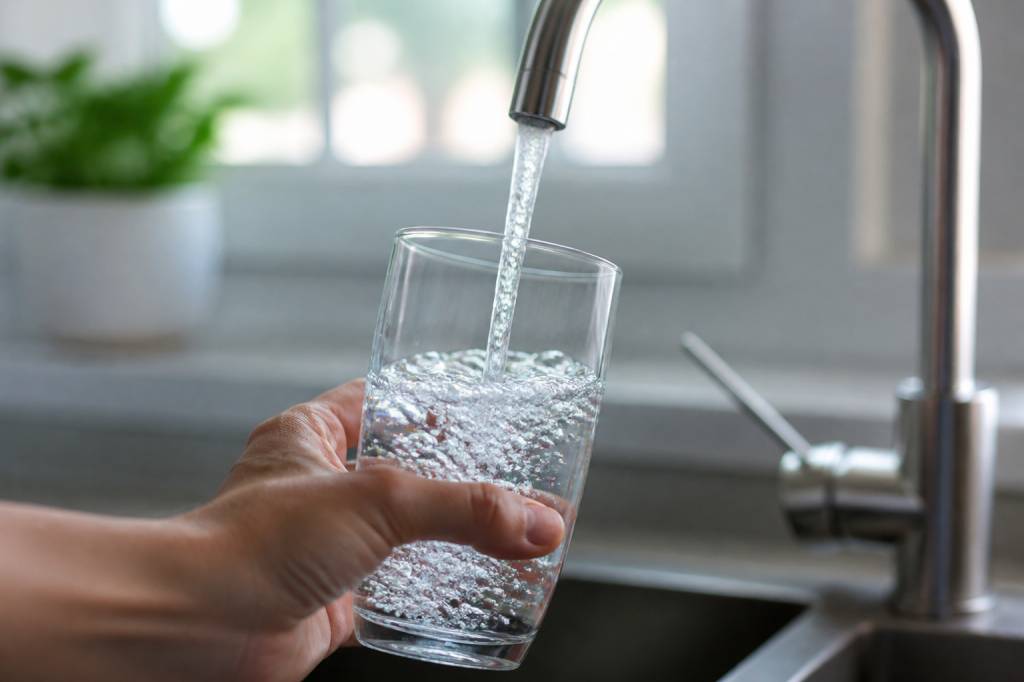
If your tap water suddenly looks like it was mixed with milk, don’t panic. In many homes, this “bubble tap water” effect is simply tiny air bubbles suspended in the water. It can look alarming at first glance, especially if you are already paying close attention to water quality issues. The good news? In most cases, it is harmless and temporary.
That said, cloudy or bubbly water is not always something to ignore. Sometimes it is a normal plumbing or pressure issue. In other cases, it can point to a problem with your supply, your fixtures, or even your home’s pipework. And when people are already concerned about contaminants like PFAS, it is understandable to wonder whether a strange-looking glass of water means something more serious.
Let’s break down what causes bubble tap water, whether it poses any risk, and what you can do to get clear answers.
What bubble tap water actually is
Bubble tap water is usually water that appears cloudy, white, or fizzy because it contains dissolved air. When the water comes out of the tap, the pressure drops rapidly and the air forms tiny bubbles. These bubbles scatter light, which makes the water look opaque or milky.
Here is the key detail: if the cloudy appearance clears within a minute or two, and the bubbles rise from the bottom upward, you are almost certainly looking at trapped air, not contamination.
That visual difference matters. Water contamination often does not disappear after sitting in a glass. Air bubbles do.
The most common causes of bubbly tap water
There are several reasons your tap water may look bubbly. Most are plumbing-related rather than health-related.
Pressure changes in the water system
This is the most common explanation. Water in the mains system is under pressure. When that pressure changes suddenly, air dissolved in the water can come out of solution and form tiny bubbles.
This often happens after:
In other words, if your street has just had water work done, the cloudy effect may be a temporary side effect rather than a cause for concern.
Air in your plumbing system
Air can get trapped inside household pipes, especially after plumbing repairs or if the system has been drained and refilled. The result can be spurts of bubbly water from taps, showers, or appliances.
This can happen after:
If the bubbles appear only when you first open the tap and then fade, trapped air is a strong possibility.
Temperature changes
Cold water holds more dissolved air than warm water. When water warms up, some of that air can escape as bubbles. That is why bubbly water may be more noticeable in certain seasons or after water has sat in warmer pipes.
It is a simple physical effect, but it can still make people do a double take.
Aerators and fixtures
The small mesh screen at the end of a tap, called an aerator, can trap air or debris and create an odd flow pattern that makes water look bubbly. In some cases, the fixture itself is the issue rather than the supply.
If only one tap is affected, the problem may be local to that fixture.
Water treatment processes
Municipal water treatment can also introduce air into the supply during filtration, pumping, or pressure adjustments. Normally, this is not a sign of poor treatment. It is often just part of the system balancing itself.
Still, if cloudiness persists, it is worth checking whether your local supplier has issued any notices or carried out maintenance nearby.
Is bubbly tap water safe to drink?
In most cases, yes. If the cloudiness is caused by air bubbles, the water is generally safe to drink, cook with, and bathe in.
The easiest home test is also the simplest one: fill a clear glass and let it sit. If the cloudiness disappears from the bottom up, it is almost certainly just air. If it remains cloudy, if there is sediment, if the water smells unusual, or if the color changes, you should investigate further.
That said, safety depends on the cause. Bubble tap water from air is one thing. Cloudiness caused by contamination is another. The appearance can be similar, which is why it helps to look for patterns rather than guessing.
When bubbly water could signal a problem
There are a few situations where cloudy or bubbly water deserves more attention.
Persistent cloudiness
If the water does not clear after sitting in a glass, the issue may not be air. It could be minerals, sediment, corrosion, or another substance in the supply.
Odd smell or taste
Air bubbles do not usually change the smell or taste of water. If your tap water has a metallic, earthy, chemical, or rotten egg odor, that is worth looking into.
Discoloration
Yellow, brown, green, or rusty water points more toward pipe corrosion, sediment, or infrastructure problems. Bubble tap water is typically white and fades quickly.
Multiple homes affected
If neighbors are noticing the same issue, the cause may be in the local supply rather than your household plumbing. A water utility notice can help clarify whether maintenance, pressure changes, or treatment disruptions are involved.
Why people concerned about PFAS should pay attention
PFAS are not something you can identify by sight alone. These “forever chemicals” are invisible, tasteless, and odorless in drinking water. That means bubbly water is not a PFAS warning sign by itself.
Still, the broader lesson is useful: appearance can be misleading. Water can look perfectly clear and still contain contaminants. It can also look strange while remaining completely safe. This is why water quality concerns need evidence, not assumptions.
If you are already worried about PFAS exposure, a bubbly glass of water is a good reminder to rely on proper testing rather than appearance. PFAS detection requires analytical testing, not a visual check at the sink.
How to check whether the problem is just air
Before you call in a specialist, a few simple checks can help you narrow it down.
If the bubbles vanish quickly and there is no odor or residue, the cause is probably air in the water.
If the problem is persistent or worsening, it is worth contacting your local water provider or a qualified plumber.
What to do if the bubbly water comes from your plumbing
If you suspect the issue is inside your home, the fix may be straightforward.
Run the tap for a short period
Sometimes air trapped in pipes clears after letting the water run for a minute or two. This is often enough after maintenance work or after a system refill.
Check your aerator
Unscrew the aerator from the end of the tap and clean it. Mineral buildup or trapped debris can affect flow and contribute to strange-looking water.
Inspect for leaks or recent plumbing work
A small leak or recent pipe repair can introduce air into the system. If the timing lines up, that is a useful clue.
Ask a plumber to check pressure issues
Excessive pressure or fluctuating pressure can create recurring air problems. A plumber can inspect valves, expansion tanks, and other components to see whether the issue is structural.
What to do if the source may be the municipal supply
If the problem seems broader than your own home, contact your water utility. They may already know about maintenance, main flushing, or pressure changes in your area.
Useful questions to ask include:
Utilities are accustomed to these reports, and the answer is often reassuringly ordinary.
Where filtration fits in
For bubble tap water caused by air, filtration will not usually solve the problem because the issue is not a pollutant. However, a good filtration system can still be relevant if you are also addressing taste, odor, sediment, or known contaminants such as PFAS.
That distinction matters. A filter designed to reduce PFAS, for example, serves a completely different role from a plumbing fix. If bubbly water is your only issue, the solution is probably not more filtration. If you are also concerned about chemical contamination, then filtration becomes part of a broader water safety strategy.
For households looking at long-term protection, especially in areas with known PFAS concerns, choosing the right treatment technology is crucial. Not all filters address the same substances, and certification matters. A system that improves clarity may not reduce persistent chemicals at all.
When to test your water
If your water keeps looking odd, testing can remove the guesswork. This is especially important if you notice additional warning signs such as unusual taste, smell, color, or recurring cloudiness.
Testing is also smart if:
For PFAS specifically, you need a laboratory test designed for those compounds. A standard home strip test will not detect them.
Simple prevention tips for everyday households
You cannot always prevent pressure-related bubbles in tap water, but you can reduce confusion and catch problems earlier.
Those small habits make it easier to separate harmless air from genuine water quality concerns.
The bottom line on bubble tap water
Bubbly or cloudy tap water is often just air being released under pressure. In many cases, it is temporary, harmless, and easily explained by plumbing changes, temperature shifts, or maintenance in the local supply.
But the appearance can be confusing, and it is reasonable to ask questions when your water does not look right. If the cloudiness clears quickly, you are probably dealing with dissolved air. If it does not clear, or if you notice odor, taste, or discoloration, it is time to investigate further.
And if your wider concern is water contamination, especially PFAS, remember that visibility is not a reliable indicator. Clear water can still contain invisible pollutants, which is why proper testing and appropriate filtration remain so important.
In short: bubble tap water is usually not an emergency, but it is always worth understanding. Water should not be a mystery. The more you know about what is normal, the faster you can spot what is not.